Forensic & Criminological Matrix
| Parameter | Forensic Detail |
|---|---|
| Forensic Heading / Aliases | Moosh |
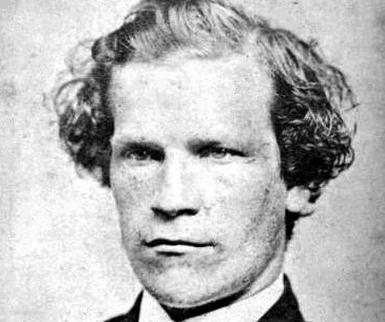
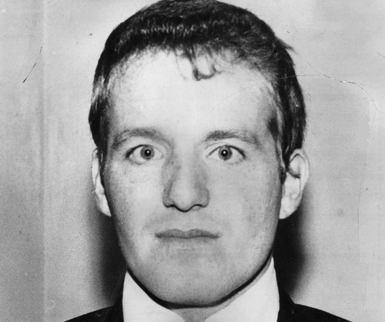
| Legal Identity | William Shelley |
| Confirmed Victims | 1 |
| Attributed / Indicted Victims | 1 |
| Active Timeline | 1931 |
| Jurisdiction / Area of Operations | Scratchwood, London, United Kingdom |
| Criminological Classification | Retaliatory Homicide |
| Forensic Modus Operandi | Blunt force trauma to the skull (axe) |
| Weapon / Mechanism of Death | Axe |
| Motive / Behavioral Dynamics | Retaliation for alleged food theft |
| Judicial Outcome | Death sentence by hanging |
1. Background and Profile
William Shelley, known by the alias "Moosh," was a casual laborer living in extreme poverty in a shanty settlement near the railway sidings at Scratchwood, London. Born in 1876, he was part of a transient population living on the fringes of society during the early 1930s.
2. Crime Spree
On May 30, 1931, Shelley and his accomplice, Oliver "Tiggy" Newman, attacked Herbert William "Pigsticker" Ayres. The perpetrators claimed the victim had stolen their food. They beat him to death using an axe, causing severe skull fractures. To conceal the crime, they buried the body in a rubbish tip and set it on fire.
3. Investigation and Arrest
On June 1, 1931, a human arm was discovered protruding from a burning rubbish heap. Home Office pathologist Sir Bernard Spilsbury examined the remains, concluding that the victim had been killed by a blunt, rectangular object. A bloodstained axe found under the floorboards of Newman's shack provided the forensic link to the crime. Witness testimony from a fellow squatter, John Armstrong, led to the immediate arrest of both men.
4. Legal Proceedings and Outcome
Shelley and Newman were tried at the Old Bailey. Despite their claims of a fair fight, Spilsbury’s expert testimony regarding the nature of the fractures and defensive bruises on the victim's hands secured a conviction. Shelley was executed by hanging on August 5, 1931.