



Forensic & Criminological Matrix
| Parameter | Forensic Detail |
|---|---|
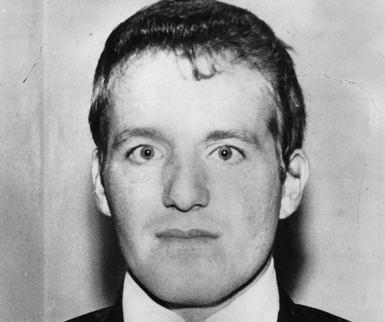
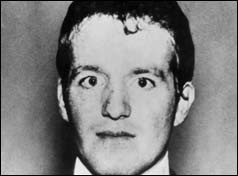
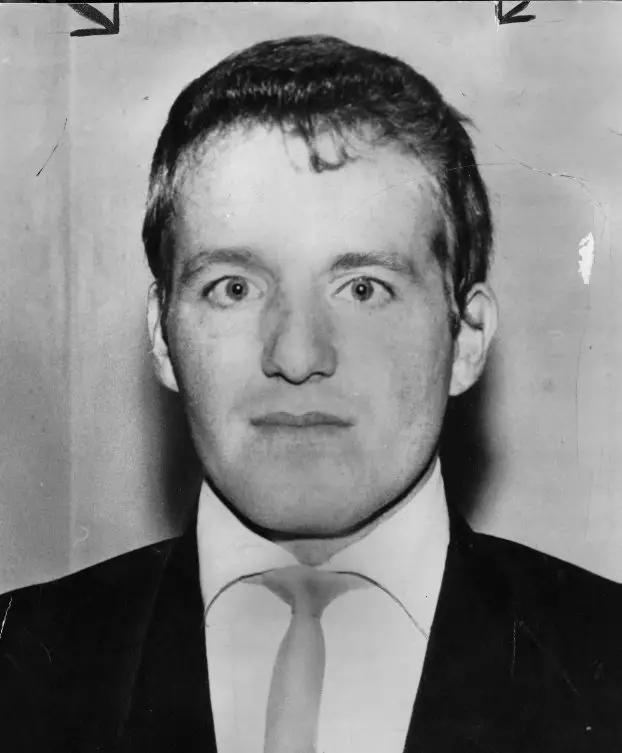
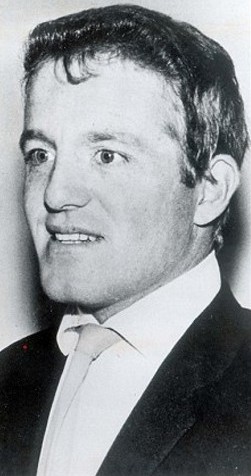
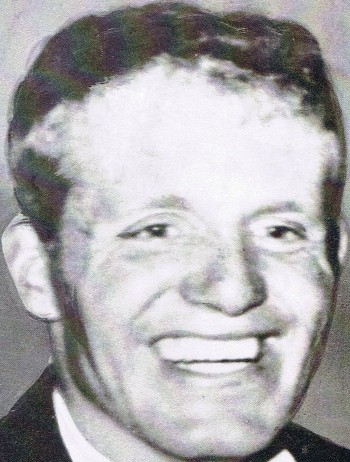
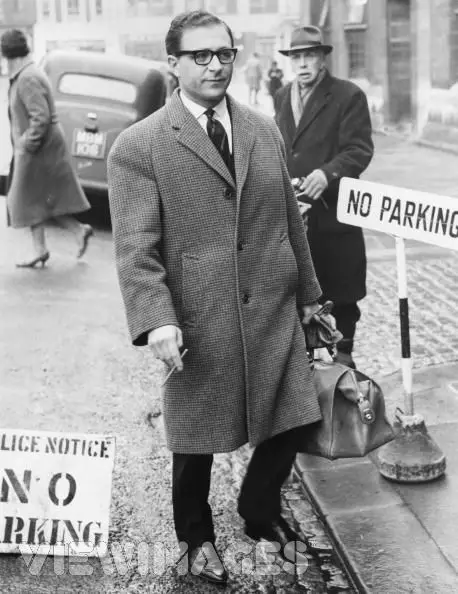
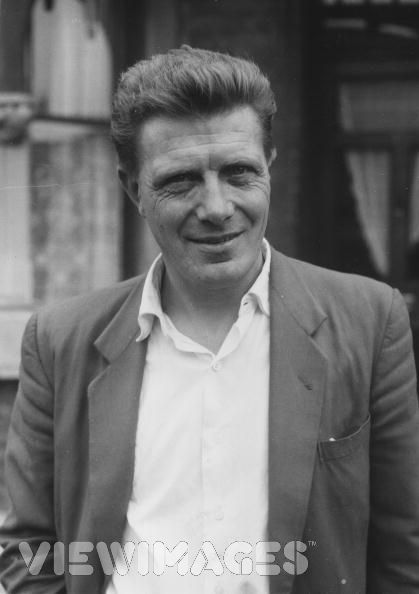
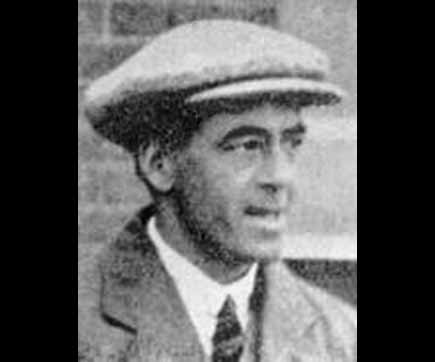
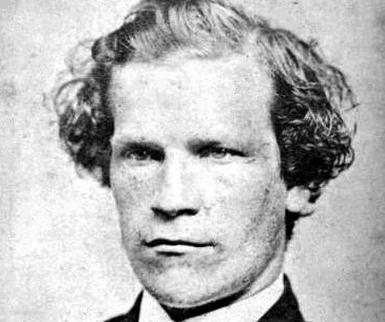
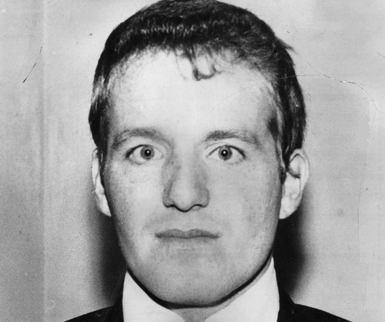
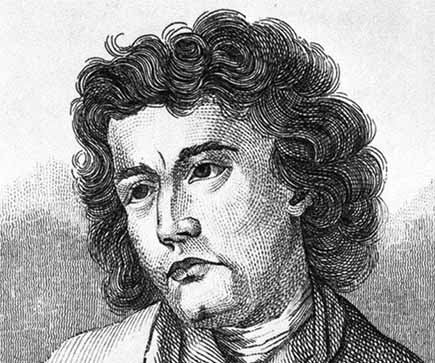
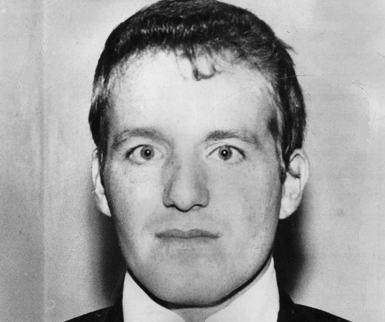
| Identity | James Hanratty |
| Known Aliases | "The A6 Killer", "Jim" |
| Criminal Classification | Armed carjacker, rapist, and homicide perpetrator |
| Date of Birth | October 4, 1936 (Farnborough, Kent, England) |
| Date of Death | April 4, 1962 (Aged 25, Bedford Gaol, executed by hanging) |
| Offense | First-degree murder of Michael Gregsten; attempted murder, grievous bodily harm, and sexual assault of Valerie Storie |
| Fatalities | 1 (Michael Gregsten; 1 critical survivor: Valerie Storie) |
| Territory | Dorney Reach (Buckinghamshire) and Deadman's Hill (A6 road, Clophill, Bedfordshire, England) |
| Period of Offenses | August 22–23, 1961 |
| Modus Operandi | Nighttime car hijacking at point-blank range with an Enfield .38 revolver, forced cross-county hostage drive, execution-style cranial shot, and subsequent violent rape and execution attempt of surviving witness. |
| Motive | Armed street-level robbery escalating to physical domination, opportunist sexual violence, and ruthless elimination of eyewitnesses. |
| Legal Status | Executed by hanging on April 4, 1962. Material guilt definitively corroborated posthumously via advanced STR DNA profiling in 2002. |
Synopsis and Historical Significance
The case of James Hanratty, internationally remembered as the "A6 Murder", remains one of the most celebrated and fiercely debated criminal proceedings in British legal history. His conviction and subsequent execution by hanging at Bedford Gaol in April 1962 marked one of the final judicial executions carried out in Great Britain prior to the formal abolition of capital punishment under the Murder (Abolition of Death Penalty) Act 1965.
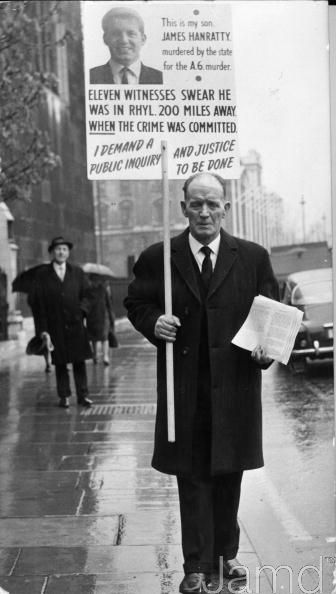
For forty years, Hanratty’s prosecution was the principal cause célèbre of penal reformists and civil liberties champions who argued that Scotland Yard had hanged an innocent man following flawed police lineup procedures and the suspicious actions of alternate suspect Peter Alphon. However, the exhumation of Hanratty's remains in 2001 and extensive genetic analysis by the Forensic Science Service concluded in 2002 with statistically indisputable DNA matches, definitively closing the controversy and upholding his guilt.
Chronology of the Crime: August 22–23, 1961
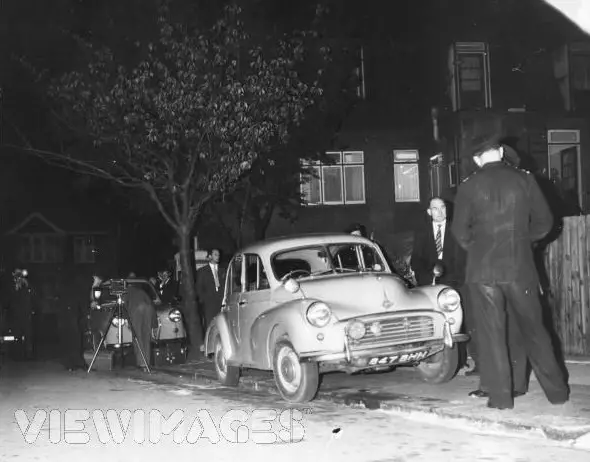
On the evening of August 22, 1961, 36-year-old Michael Gregsten, a scientist with the Medical Research Council, and his 22-year-old assistant Valerie Storie were parked in a Morris Minor car in a cornfield at Dorney Reach, Buckinghamshire.
At approximately 9:30 PM, an armed intruder carrying an Enfield .38 caliber revolver tapped on the car window and forced entry at gunpoint. Threatening to blow their heads off, the gunman ordered Gregsten to drive across backroads in Buckinghamshire, Hertfordshire, and Middlesex for over four hours while the gunman claimed to be an outlaw on the run seeking money and concealment.
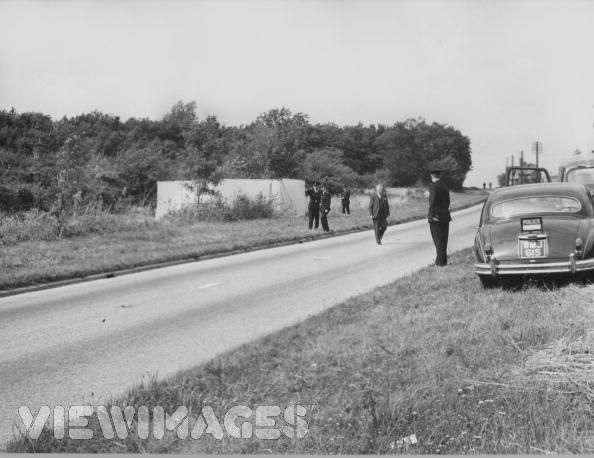
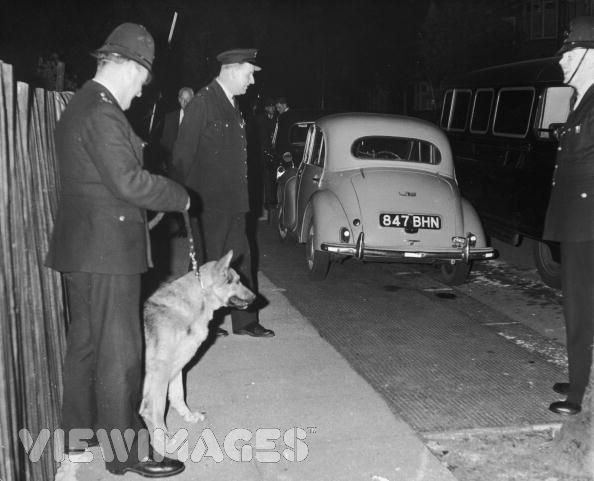
At around 2:00 AM on August 23, the gunman commanded Gregsten to pull over at a desolate layby on the A6 trunk road known as Deadman's Hill (near Clophill, Bedfordshire). After demanding a duffel bag and personal belongings, the gunman fired two shots directly into the back of Michael Gregsten's neck, killing him instantly. He then forced Valerie Storie into the rear seat, raped her at gunpoint, and subsequently fired five rounds into her chest and limbs in an attempt to murder her. Valerie miraculously survived by playing dead in the roadside verge, although spinal cord trauma left her paralyzed from the waist down for the remainder of her life.
Scotland Yard Investigation and Lineup
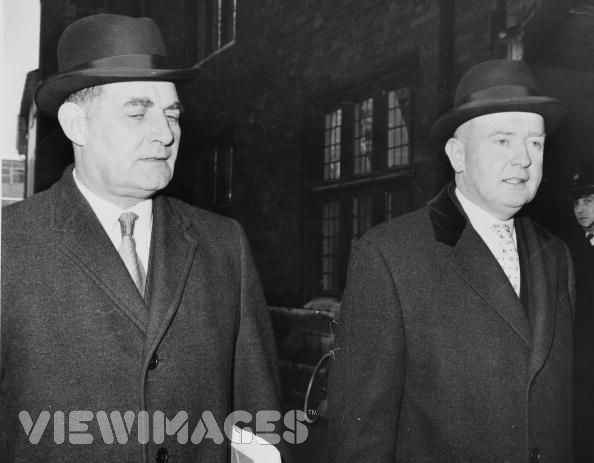
Headed by Superintendent Bob Acott of New Scotland Yard, the investigation quickly recovered crucial ballistic and material evidence:
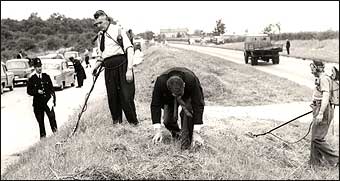
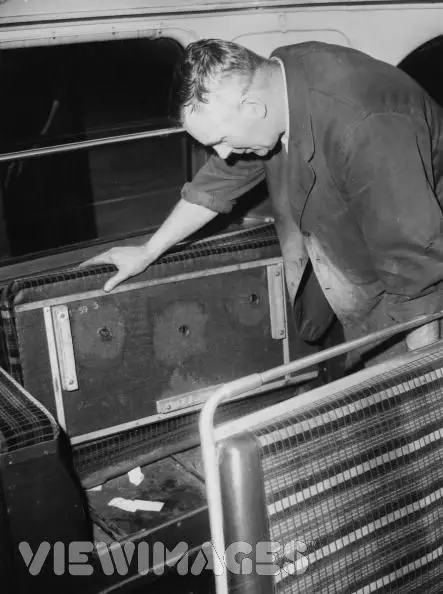
- The Murder Weapon: An Enfield .38 revolver containing spent cartridges was discovered hidden under a seat on the top deck of a London 36A double-decker bus, wrapped in an ordinary pocket handkerchief.
- Identification of Hanratty: Detectives traced suspicious movements to Room 24 at the Vienna Hotel in Maida Vale, London, booked under the alias "J. Ryan". Background inquiries revealed "Ryan" to be 25-year-old career thief and burglar James Hanratty.
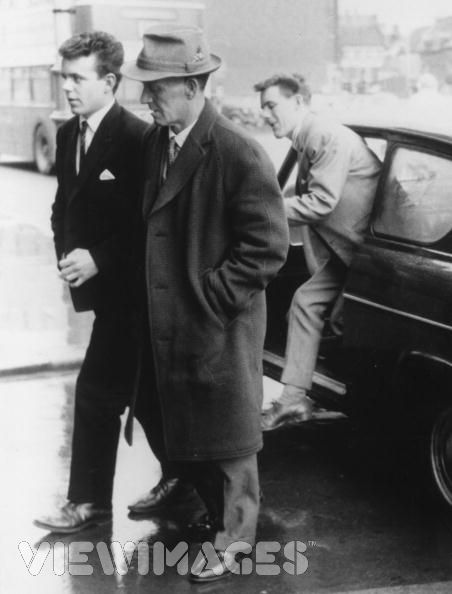
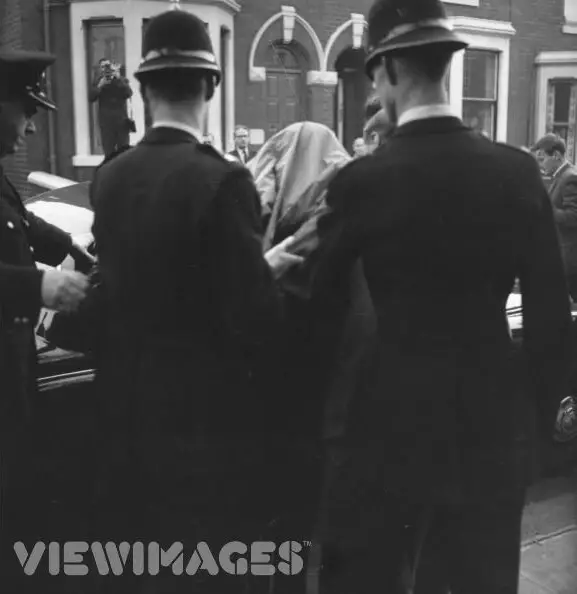
- Arrest and Identification: Following a national manhunt, Hanratty was arrested in Blackpool on October 11, 1961. At a formal identity parade at Bedford police station, Valerie Storie unequivocally identified Hanratty by his build, his distinctive piercing blue eyes, and his voice after each suspect spoke identical phrases spoken by the attacker.
Bedford Assizes Trial and Execution
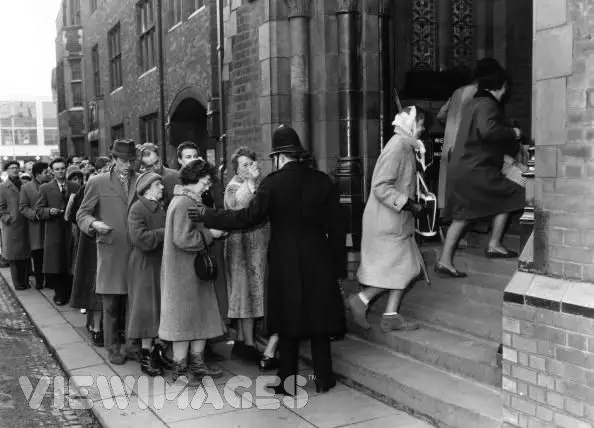
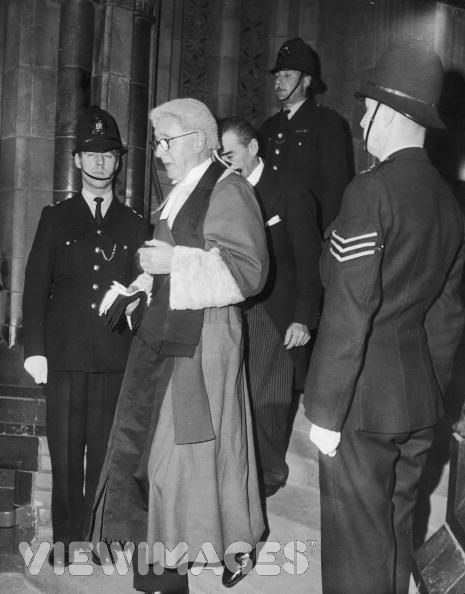
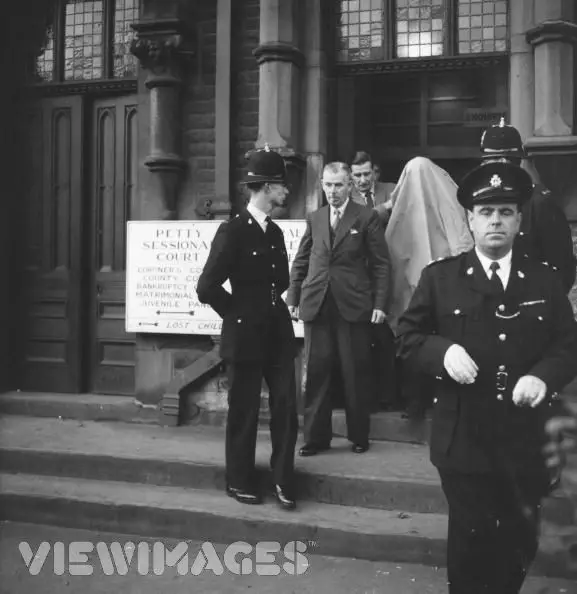
The trial commenced in January 1962 before Mr Justice Gorman at Bedford Assizes and lasted 21 days—the longest murder trial in English legal history up to that point.
Defended by Michael Sherrard, Hanratty offered erratic and contradictory alibis. Initially asserting he was in Liverpool fencing stolen jewelry, he later changed his testimony on the stand, maintaining he had spent the night in Rhyl, North Wales, at a guest house run by Mrs Grace Jones. The alibi collapsed under rigorous cross-examination, as no documentary evidence or independent witnesses corroborated his lodging at the specific time.
On February 17, 1962, the jury returned a unanimous verdict of guilty of capital murder. The Court of Criminal Appeal dismissed his appeal, and Home Secretary R.A. Butler declined to recommend a royal reprieve.
At 8:00 AM on April 4, 1962, James Hanratty was hanged at HM Prison Bedford by official executioner Harry Allen.
Four Decades of Advocacy and Definitive DNA Resolution
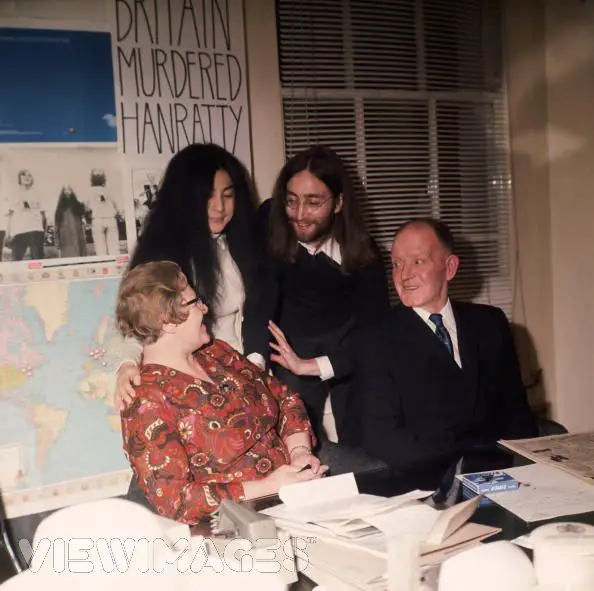
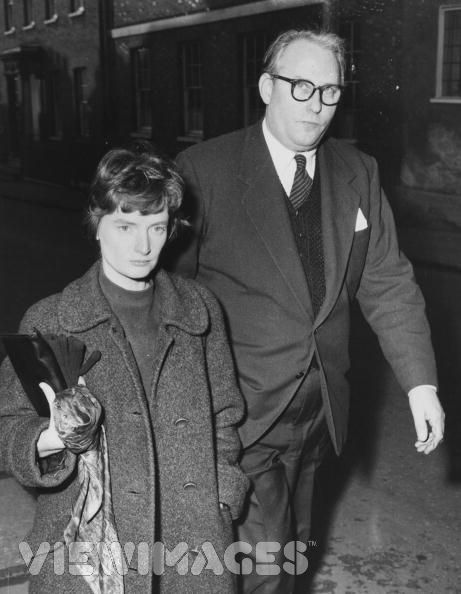
Over the ensuing decades, Hanratty’s family, supported by high-profile figures including penal reformer Lord Longford, investigative writer Paul Foot (author of Who Killed Hanratty?), and musicians John Lennon and Yoko Ono, spearheaded a massive public exoneration campaign.
In 1999, the Criminal Cases Review Commission (CCRC) referred the case back to the Court of Appeal to evaluate preserved forensic exhibits with modern STR DNA technology:
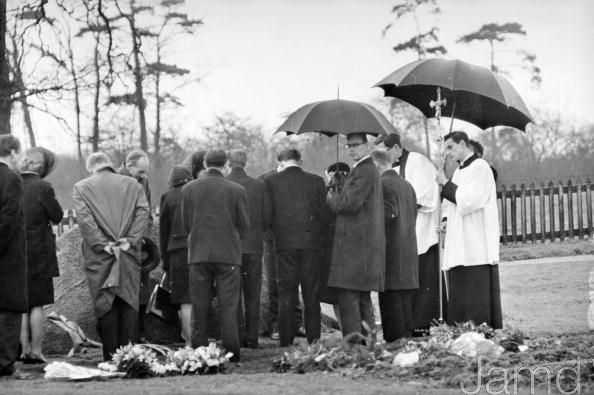
- Exhumation: In 2001, Hanratty's body was exhumed from Carpenders Park Cemetery in Hertfordshire to extract pristine reference DNA from femur bone fragments.
- Genetic Matching: Forensic scientists examined semen stains preserved on Valerie Storie's knickers and epithelial skin cells swabbed from the handkerchief used to wrap the murder weapon.
- Judicial Determination: On May 10, 2002, the Court of Appeal, presided over by Lord Woolf (the Lord Chief Justice), dismissed the appeal entirely. The DNA profile from the semen matched Hanratty's genetic profile with a calculated random match probability of 1 in 2.5 million, providing conclusive and indisputable scientific proof of James Hanratty's guilt.