



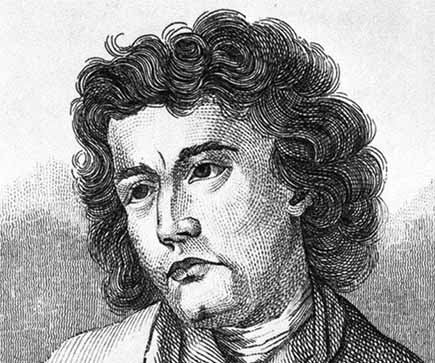
Forensic & Criminological Matrix
| Parameter | Forensic Detail |
|---|---|
| Full Legal Name | Philip Henry |
| Registered Monikers | The York Pensioner Killer, The Padlock Killer |
| Nationality | British |
| Date and Place of Birth | c. 1931, United Kingdom |
| Date and Place of Death | November 17, 1953, Armley Prison, Leeds, West Yorkshire, United Kingdom (aged 22) |
| Cause of Death | Asphyxia by judicial hanging (capital punishment) |
| Criminal Classification | Home invasion with robbery-homicide / Violent felony murder |
| Active Criminal Period | August 8, 1953 |
| Confirmed Victims | 1 (Flora Jane Gilligan, aged 76) |
| Modus Operandi | Forcible nighttime home intrusion, blunt force cranial trauma, and ransacking for modest cash sums. |
| Psychological Profile | Antisocial behavior patterns, severe impulse control issues, gambling debts, and military disciplinary delinquency. |
| Judicial Sentence | Sentenced to death for capital murder at York Assizes in October 1953. |
Criminal Background and Homicide
Philip Henry was a 22-year-old private in the British Army during the early 1950s. Plagued by chronic debt resulting from gambling and heavy drinking, Henry planned a break-in targeting a vulnerable elderly woman living alone in York.
On the night of August 8, 1953, Henry breached the residence of 76-year-old pensioner Flora Jane Gilligan. When Gilligan confronted the intruder, Henry attacked her with extreme violence, striking her repeatedly about the head and face with blunt force until she collapsed mortally wounded. After ransacking her modest home, Henry escaped with a meager haul of roughly thirteen shillings.
Forensic Investigation and Trial
Flora Jane Gilligan was discovered the next morning by neighbors who noticed her open door. Yorkshire Constabulary detectives launched an immediate investigation. Military police were alerted to soldiers unaccounted for in the area, and eyewitness accounts of an agitated young soldier near the scene led swiftly to Henry. Blood spatter and fiber analysis on his service uniform decisively tied him to the crime scene.
Under intense police questioning, Henry's fabricated alibis collapsed, and he admitted entering the house while claiming the fatal injuries were accidental. Pathologists testified that the extensive blunt trauma to the skull could only have resulted from deliberate, forceful strikes. In October 1953, the jury at York Assizes returned a swift guilty verdict for capital murder.
Execution
Despite clemency appeals citing his youth, the Home Secretary refused a reprieve. Philip Henry was hanged on the morning of November 17, 1953, at Armley Prison in Leeds, overseen by executioner Albert Pierrepoint.