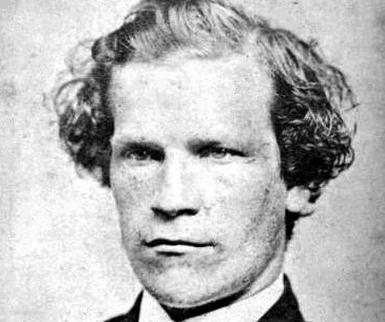
Forensic & Criminological Matrix
| Parameter | Forensic Detail |
|---|---|
| Forensic Heading / Aliases | Tiggy |
| Legal Identity | Oliver Newman |
| Confirmed Victims | 1 |
| Attributed / Indicted Victims | 1 |
| Active Timeline | 1931 |
| Jurisdiction / Area of Operations | Scratchwood, London, United Kingdom |
| Criminological Classification | Retaliatory Murderer |
| Forensic Modus Operandi | Blunt force trauma with an axe |
| Weapon / Mechanism of Death | Axe |
| Motive / Behavioral Dynamics | Retaliation for food theft |
| Judicial Outcome | Death sentence by hanging |
1. Background and Profile
Oliver Newman, 61, was a casual laborer living in squalid shacks near the Scratchwood railway sidings. His criminal profile reflects the harsh conditions of the era, where minor disputes over resources often escalated into lethal violence.
2. Crime Spree
On May 30, 1931, Newman and his accomplice, William Shelley, assaulted Herbert 'Pigsticker' Ayres. The perpetrators claimed Ayres had stolen food from them. They beat him to death with an axe and attempted to dispose of the body by burying it in a rubbish tip and setting it on fire.
3. Investigation and Arrest
On June 1, 1931, a human arm was discovered protruding from the burning dump. Sir Bernard Spilsbury, the Home Office pathologist, identified the victim as Ayres. A search of Newman's shack revealed a bloodstained axe that matched the skull fractures of the victim, leading to the immediate arrest of Newman and Shelley.
4. Legal Proceedings and Outcome
During the trial at the Old Bailey, the defense claimed the death occurred during a fair fight. However, forensic evidence provided by Spilsbury proved the injuries were consistent with a weapon, not fists. Both men were convicted of murder and executed by hanging on August 5, 1931.