Forensic & Criminological Matrix
| Parameter | Forensic Detail |
|---|---|
| Forensic Heading / Aliases | None |
| Legal Identity | Frederick George Manning |
| Confirmed Victims | 1 |
| Attributed / Indicted Victims | 1 |
| Active Timeline | 1849 |
| Jurisdiction / Area of Operations | Bermondsey, London, United Kingdom |
| Criminological Classification | Greed-based murderer / Co-perpetrator |
| Forensic Modus Operandi | Firearm discharge followed by blunt force trauma |
| Weapon / Mechanism of Death | Pistol and ripping chisel |
| Motive / Behavioral Dynamics | Greed and elimination of a romantic rival |
| Judicial Outcome | Execution by hanging at Horsemonger Lane Gaol |
1. Background and Profile
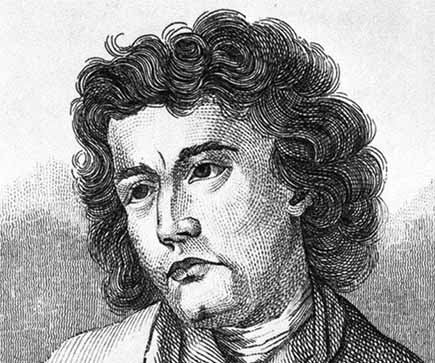
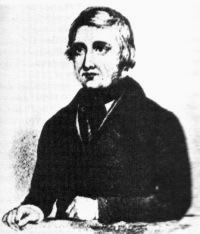
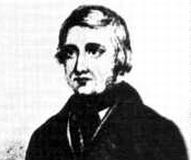
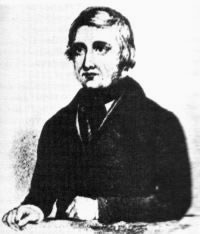
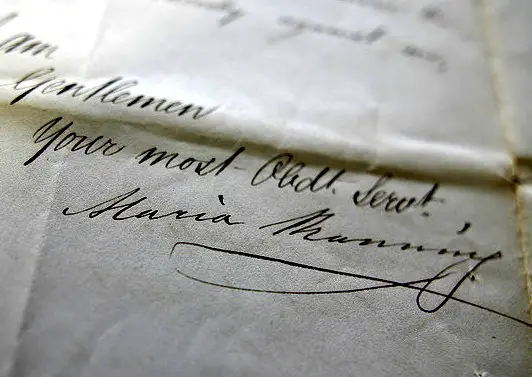
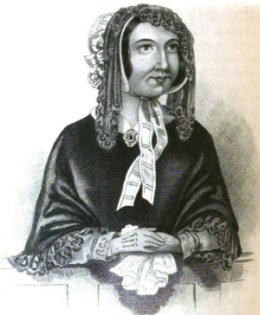
Frederick George Manning (1820–1849) was a railway guard of weak character who married Maria de Roux in 1847. Driven by Maria's desire for wealth and status, the couple lived in Bermondsey, London, while maintaining a complex relationship with the wealthy Patrick O'Connor.
2. Crime Spree
On August 9, 1849, the Mannings lured O'Connor to their home. Maria shot him in the head, and Frederick finished him off with a ripping chisel. They buried the body beneath the kitchen floor, using quicklime to accelerate decomposition.
3. Investigation and Arrest
Police discovered the body after O'Connor's colleagues reported him missing. The Mannings fled to different locations but were tracked down by Scotland Yard detectives. Frederick was arrested in Jersey on August 21, 1849.
4. Legal Proceedings and Outcome
Tried at the Old Bailey in October 1849, both defendants attempted to shift blame. The jury convicted them after 45 minutes. They were executed together at Horsemonger Lane Gaol on November 13, 1849, in a public spectacle that drew massive crowds and condemnation from figures like Charles Dickens.