


Forensic & Criminological Matrix
| Parameter | Forensic Detail |
|---|---|
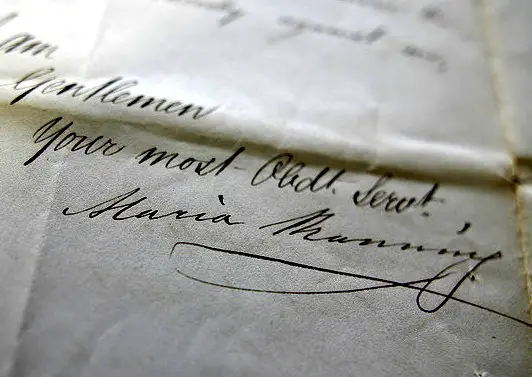
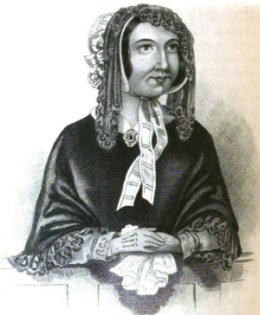
| Forensic Heading / Aliases | Maria Manning, Mrs. Manning |
| Legal Identity | Marie de Roux |
| Confirmed Victims | 1 (Patrick O'Connor) |
| Active Timeline | August 1849 |
| Jurisdiction / Area of Operations | London, United Kingdom |
| Criminological Classification | Profit-motivated murderers / Criminal couple |
| Forensic Modus Operandi | Deceptive dinner invitation, firearm assault, blunt force trauma with construction tool, and clandestine burial with quicklime |
| Weapon / Mechanism of Death | Muzzle-loading pistol and ripping chisel |
| Motive / Behavioral Dynamics | Financial gain, robbery of securities and railway shares |
| Judicial Outcome | Sentenced to death by hanging, executed on November 13, 1849, at Horsemonger Lane Gaol |
1. Background and Profile
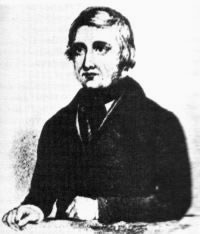
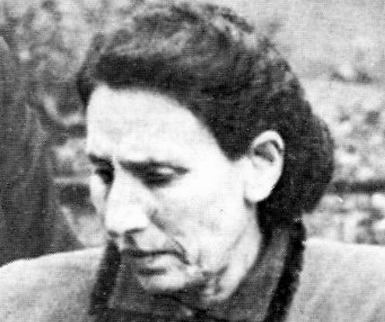
Maria Manning, born Marie de Roux in Switzerland, emigrated to England where she worked as a domestic servant for affluent families, including Lady Blantyre. She married Frederick George Manning, a railway employee. Driven by mutual financial desperation and greed, the couple plotted the murder of Patrick O'Connor, a moneylender and former lover of Maria who held significant savings and valuable securities.
2. Criminal Career and Modus Operandi
On August 9, 1849, Patrick O'Connor was lured to the Mannings' residence at Miniver Place, Bermondsey, under the guise of an intimate dinner. While the victim washed his hands at the kitchen sink, Maria shot him in the back of the head with a pistol. When the wound proved non-fatal, Frederick intervened, brutally battering O'Connor's head with a ripping chisel. The perpetrators buried the body in a pre-excavated grave beneath the kitchen flagstones and covered it with quicklime. The following day, Maria systematically looted O'Connor's lodgings for cash and railway stock certificates.
3. Investigation and Arrest
O'Connor's disappearance prompted his colleagues to visit the Mannings' home. Recognizing that their crime was discovered, the couple fled precipitously; Maria escaped by train to Edinburgh while Frederick fled to Jersey. Scotland Yard's Superintendent Haynes led the investigation, discovering damp mortar beneath the kitchen flagstones of Miniver Place and unearthing O'Connor's body. Maria's attempt to liquidate stolen securities in Edinburgh exposed her identity, leading to her arrest. Frederick was captured shortly thereafter in Jersey.
4. Legal Proceedings and Outcome
During the trial at the Old Bailey, the defendants turned against each other; Frederick confessed that Maria fired the shot while he administered the fatal blows with the chisel, whereas Maria erupted in violent outbursts against the court and jury. Both were convicted of premeditated murder and sentenced to death.
5. Psychological Evaluation and Execution
While awaiting execution at Horsemonger Lane Gaol, Maria attempted suicide and unsuccessfully petitioned Queen Victoria for mercy. On November 13, 1849, they were hanged on the prison roof by executioner William Calcraft before a raucous crowd. Among the spectators was author Charles Dickens, whose subsequent public letters decried the degradation of public executions. Following death, their bodies were buried within the prison grounds.