




Forensic & Criminological Matrix
| Parameter | Forensic Detail |
|---|---|
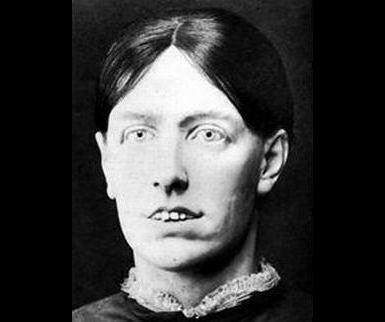
| Forensic Heading / Aliases | Jessie King / The last woman executed in Edinburgh |
| Legal Identity | Janet King |
| Confirmed Victims | 3 infants |
| Active Timeline | August 1887 – October 1888 |
| Jurisdiction / Area of Operations | Edinburgh, Scotland (United Kingdom) |
| Criminological Classification | Serial killer / Baby farmer |
| Forensic Modus Operandi | Responding to newspaper ads to adopt illegitimate babies for small fees, followed by systemic physical elimination via strangulation or lethal neglect. |
| Weapon / Mechanism of Death | Manual strangulation, administration of substances (whisky), and severe criminal neglect. |
| Motive / Behavioral Dynamics | Financial gain amidst extreme socioeconomic deprivation, operating under the psychological dominance and coercion of her partner, Thomas Pearson. |
| Judicial Outcome | Condemned to death by hanging at the High Court of Edinburgh; executed on March 11, 1889, at Calton Gaol. |
1. Background and Psychopathy
Born in Scotland around 1861, Jessie King lived a life characterized by extreme vulnerability, poverty, and a lack of formal education. Her trajectory shifted dramatically when she became entangled with Thomas Pearson, an older, middle-class disgraced man from Glasgow who had abandoned his family and suffered from chronic alcoholism. Under Pearson's powerful psychological grip and coercive control, King descended into the grim criminal underworld of Victorian Edinburgh.
2. Crime Spree
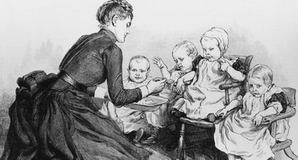
Between August 1887 and October 1888, King and Pearson engaged in the illicit and lucrative trade of 'baby-farming'. Capitalizing on the profound stigma and financial desperation surrounding illegitimate births among domestic servants and factory workers, they advertised their willingness to adopt unwanted infants in exchange for nominal sums. Rather than providing care, the couple systematically murdered or fatally neglected the infants entrusted to them.
3. Investigation and Arrest
In October 1888, children playing in a lane behind Cheyne Street discovered a makeshift bundle containing an infant's corpse, prompting an immediate police investigation. Authorities raided King and Pearson's residence, uncovering a strangled baby girl concealed within a coal closet. Forensic examination linked the pair to at least three infant deaths, with evidence suggesting that certain acts required physical capabilities beyond Jessie's reach alone, directly implicating Pearson in the execution of the crimes.
4. Legal Proceedings and Outcome
Upon arrest, Thomas Pearson successfully negotiated immunity by turning Crown evidence, effectively sacrificing Jessie to save his own neck. Stripped of adequate defense and psychologically subjugated, King initially confessed and attempted to shoulder the full blame. In February 1889, the High Court in Edinburgh presided over a swift trial where the jury deliberated for only minutes before returning a guilty verdict.
5. Psychiatric Evaluation and Aftermath
While awaiting execution at Calton Gaol, King made desperate attempts to take her own life. Despite appeals from her confessor and social advocates emphasizing Pearson's manipulative dominance and King's impaired mental state—paralleling modern understandings of coercive control—the Secretary of State denied clemency. Jessie King was hanged on March 11, 1889, earning the grim distinction of being the last woman executed in Edinburgh.