


Forensic & Criminological Matrix
| Parameter | Forensic Detail |
|---|---|
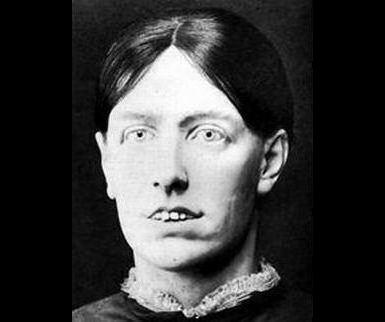
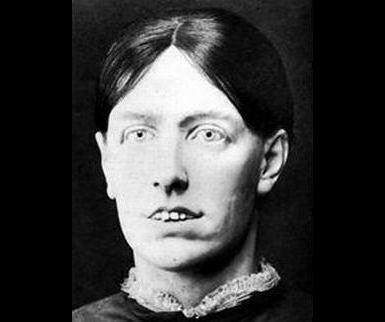
| Full Legal Name | Mary Eleanor Wheeler (commonly known by partner's surname as Mary Pearcey). |
| Historic Moniker | The Hampstead Pavement Murder / Popularly linked to Jill the Ripper theories. |
| Criminological Typology | Dual passion-homicide perpetrator / Domestic throat-slashing and pram disposal. |
| Date of Crime | Friday, October 24, 1890. |
| Crime Scene | Kitchen at 2 Priory Street, Kentish Town, London; bodies dumped across Hampstead and Finchley streets, United Kingdom. |
| Weapons | Heavy carving butcher knife and wrought-iron fireplace poker. |
| Judicial Penalty | Capital execution by hanging. Hanged at Newgate Prison by executioner James Berry on December 23, 1890. |
Background and Obsessive Liaison
Mary Eleanor Wheeler was born in London on March 26, 1866. Her youth was fraught with volatility and depressive episodes. She cohabited for several years with a carpenter named John Charles Pearcey, taking his surname before separating.
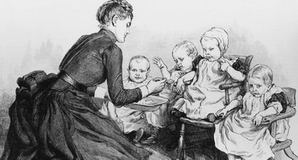
Around 1888, she embarked on an all-consuming affair with Frank Hogg, a Kentish Town cabinetmaker. When another local woman, Phoebe Styles, became pregnant by Hogg, he married her under societal pressure, yet kept Mary Pearcey as his secret mistress. The compromise infuriated Mary, breeding an unyielding jealousy toward Phoebe and the couple's 18-month-old infant daughter, Tiggy.
The Priory Street Massacre (October 1890)
On the afternoon of Friday, October 24, 1890, Mary invited Phoebe Hogg and baby Tiggy to her lodgings at 2 Priory Street under the pretense of afternoon tea.
Around 4:00 PM, neighbors heard muffled screams, glass shattering, and dull thuds from Mary's kitchen, followed by silence. Inside, Mary ambushed Phoebe with a cast-iron fire poker, fracturing her skull, before carving her throat so deeply with a long meat knife that the head was nearly severed from the torso. She then smothered baby Tiggy with perambulator blankets.
Demonstrating cold composure, Mary wrapped Phoebe's blood-soaked body in a sheet, packed both mother and baby into the victim's baby carriage (perambulator), and covered the load with an apron and cardigan.
At dusk, Mary pushed the heavy perambulator nearly two miles through busy North London thoroughfares to affluent Hampstead. At 7:00 PM, she rolled Phoebe's mutilated body onto the pavement of Crossfield Road. She then proceeded to a wasteland in Finchley, tossing the smothered infant into a nettle patch and abandoning the blood-spattered pram nearby.
The Bloodstained Piano and the "Mice" Alibi
Phoebe's body was discovered hours later, launching a massive manhunt by Scotland Yard.
When detectives questioned Mary at 2 Priory Street the next morning, they discovered walls, ceilings, baseboards, and the ivory keys of her upright piano coated in washed human blood. As officers inspected the kitchen, Mary nonchalantly played the piano, humming a music-hall tune and remarking: "Killing mice, killing mice, I was killing mice with the poker."
Forensic officers discovered a heavy blood-crusted carving knife behind a dresser and hair matching the victim clinging to Mary's cardigan.
Old Bailey Conviction and Legacy
Tried at the Old Bailey in December 1890, defense counsel mounted an insanity plea citing hereditary insanity (her father had been executed for murder decades earlier). The jury required only twenty-two minutes to convict her of capital murder.
On December 23, 1890, Mary Eleanor Pearcey was executed on the gallows at Newgate Prison by James Berry. Her exceptional physical strength, cold demeanor, and deep throat-severing technique sparked early forensic speculation—most notably by Sir Arthur Conan Doyle—that Jack the Ripper could have been a female slaughterer or midwife, immortalizing Mary Pearcey as the quintessential "Jill the Ripper" archetype.