

Forensic & Criminological Matrix
| Parameter | Forensic Detail |
|---|---|
| Full Legal Name | Louise Masset. |
| Historical Milestone | First person executed in the United Kingdom in the 20th century (January 9, 1900). |
| Criminological Typology | Instrumental filicide / Child disposal for marital and social advancement. |
| Date of Crime | Friday, October 27, 1899. |
| Crime Scene | Ladies' waiting room and lavatory, Dalston Junction railway station, Hackney, London, United Kingdom. |
| Fatal Victim | Manfred Masset (aged 3 and a half), Louise's illegitimate son. |
| Murder Weapon | Blunt force cranial trauma and positional suffocation inflicted using a broken brick found beside the child's stripped body. |
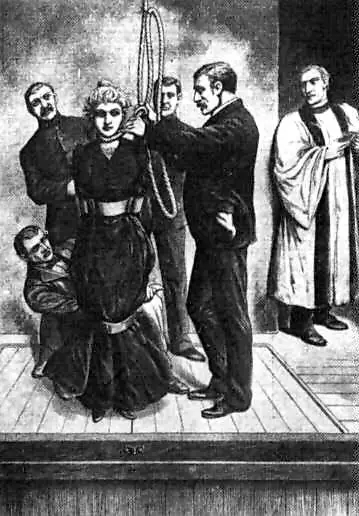
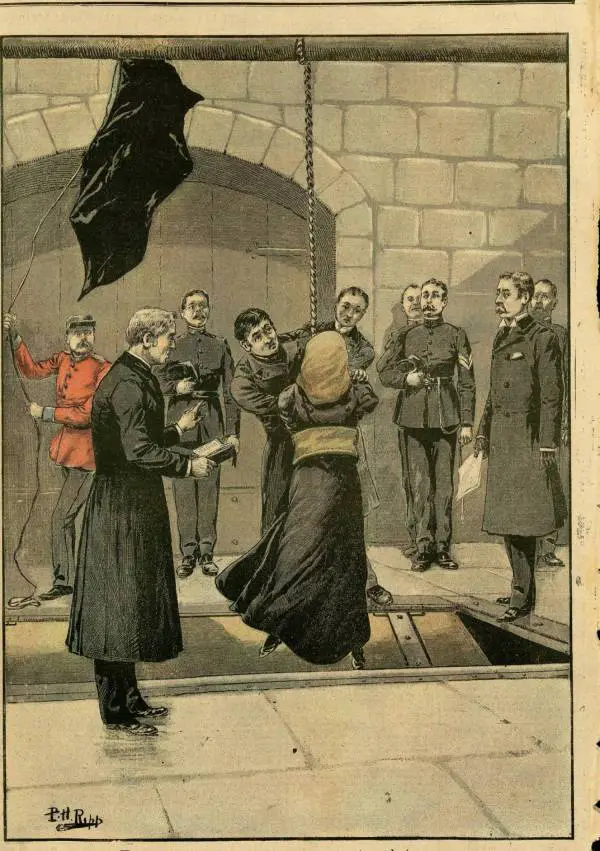
| Judicial Sentence | Death by hanging. Executed at Newgate Prison, London, on January 9, 1900, by hangman James Billington. |
Background and the Victorian Social Stigma
Louise Masset was born in London around 1863 to an Anglo-French family. Well-educated, articulate, and fluent in multiple languages, she worked as an independent governess and tutor of French and piano for prosperous households in North London.
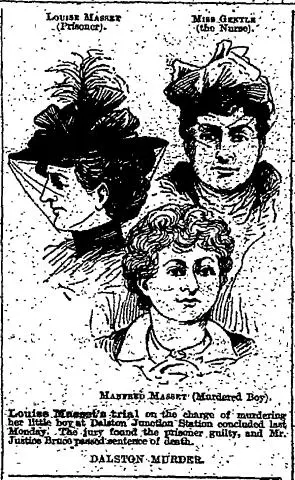
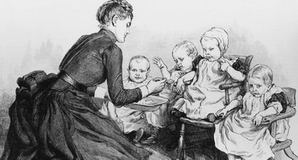
In 1896, she gave birth out of wedlock to an illegitimate son, Manfred. Given the severe moral and social condemnation directed at unwed mothers in Victorian Britain, Louise fostered Manfred out to Helen Gentle, a Tottenham caregiver, paying weekly stipends to ensure the child remained a secret from society and employers.
In early 1899, Masset entered an intense romantic liaison with Eudore Lucas, a French bank clerk nineteen years her junior. The pair made arrangements to spend a holiday weekend in Brighton and subsequently marry in France. However, Lucas was completely oblivious to Manfred's existence. Masset perceived the young child as an insurmountable barrier to her matrimonial dreams.
The Dalston Junction Murder (October 1899)
On Friday afternoon, October 27, 1899, Masset collected Manfred from Mrs. Gentle, falsely announcing that she was taking him across the English Channel to his biological father. She purchased new clothes and sweet cakes for the boy.
Shortly past 6:30 PM, mother and toddler entered the ladies' waiting room at Dalston Junction railway station. In the secluded lavatory, Masset stripped the boy naked, suffocated him, and crushed his skull with a jagged piece of brick she had retrieved from a Stoke Newington garden. Bundling the child's garments into a package, she tucked Manfred's body behind a cubicle partition and walked out unnoticed.
She traveled straight to London Bridge Station, met Lucas on the platform, and departed for Brighton, spending the weekend enjoying coastal promenades and fine dining.
Discovery, Investigation, and Arrest
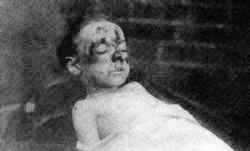
At 8:00 PM that evening, a station attendant discovered Manfred's bloodstained corpse. The grisly finding ignited a media storm dubbed "The Dalston Junction Mystery".
Mrs. Gentle recognized the police description of the toddler's clothing and contacted Scotland Yard. Upon returning from Brighton, Masset was detained at her sister's residence. Masset fabricated an elaborate alibi, asserting she had handed Manfred over to two women named "Browning" who had agreed to adopt him for £12. Station staff flatly contradicted her narrative, testifying that Masset entered the lavatory alone with the boy and emerged carrying his clothes. Forensic analysis also detected brick dust inside Masset's handbag.
Trial and the Century's First Hanging
Masset stood trial at the Old Bailey in December 1899. Crown prosecutor Charles Mathews argued with clinical precision that the murder was a premeditated calculation designed to clear the path for marriage with Lucas.
The jury returned a guilty verdict within thirty minutes. Petitions for reprieve were rejected by Home Secretary Sir Matthew White Ridley due to the calculated brutality of the act.
On Tuesday morning, January 9, 1900, Louise Masset was hanged at Newgate Prison by James Billington. Her execution marked the inaugural hanging of the 20th century in Britain.