Forensic & Criminological Matrix
| Parameter | Forensic Detail |
|---|---|
| Forensic Heading / Aliases | Pat Kennedy |
| Legal Identity | William Henry Kennedy |
| Confirmed Victims | 1 |
| Attributed / Indicted Victims | 1 |
| Active Timeline | 1927 |
| Jurisdiction / Area of Operations | Essex, United Kingdom |
| Criminological Classification | Cop killer / Career criminal |
| Forensic Modus Operandi | Summary execution via firearm |
| Weapon / Mechanism of Death | Handgun (ocular shots) |
| Motive / Behavioral Dynamics | Evasion of arrest |
| Judicial Outcome | Death sentence by hanging |
1. Background and Profile
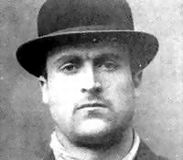
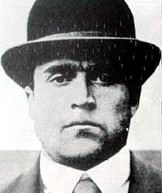
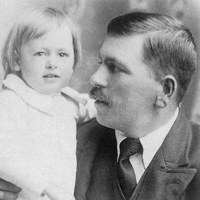
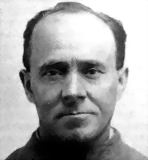
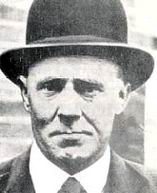
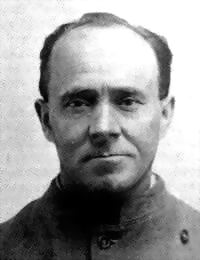
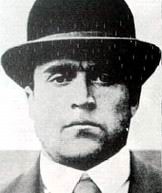
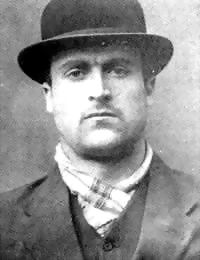
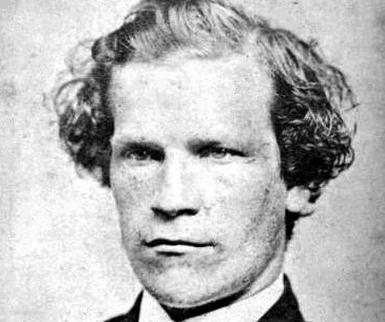
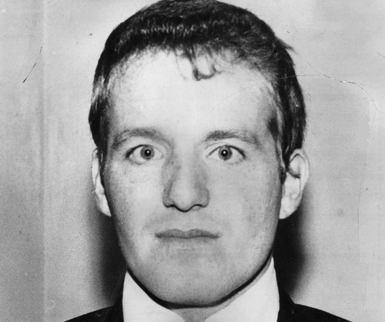
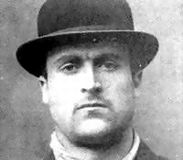
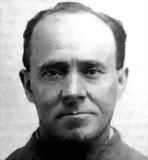
William Henry Kennedy was a career criminal active in the 1920s. Alongside his accomplice, Frederick Guy Browne, he engaged in a series of vehicle thefts and property crimes. His behavioral profile indicated a high propensity for violence when confronted by law enforcement.
2. Criminal Career and Modus Operandi
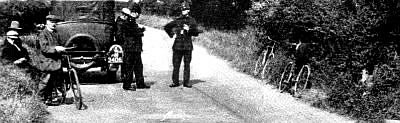
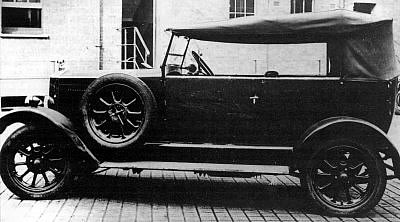
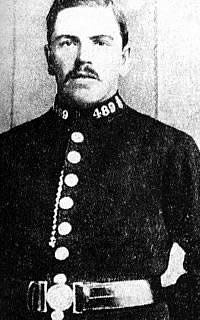
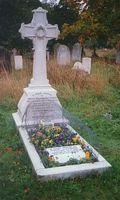
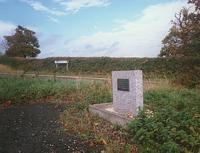
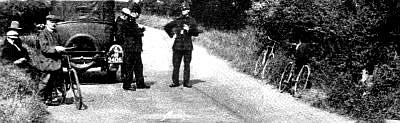
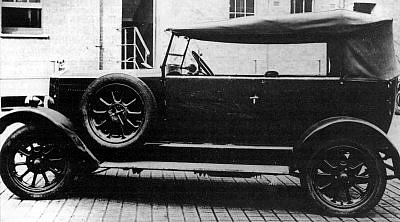
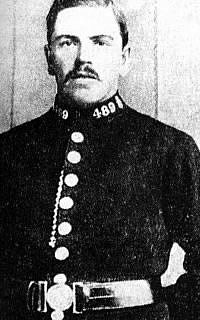
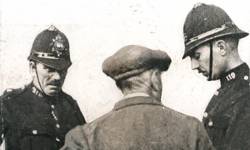
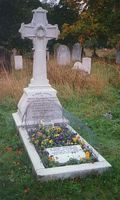
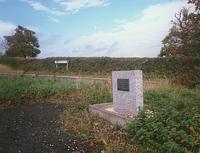
On September 26, 1927, Kennedy and Browne stole a Morris-Cowley vehicle. While fleeing, they were stopped by Constable George Gutteridge in Stapleford Abbotts. The perpetrators shot Gutteridge in both eyes, a deliberate act intended to ensure death and, according to criminal folklore, to prevent the victim from 'identifying' them.
3. Investigation and Arrest
The investigation was spearheaded by Detective James Berrett of Scotland Yard. The case remains a landmark in British forensic history, as it was one of the first instances where advanced ballistics evidence was used to successfully link the suspects' weapons to the crime scene.
4. Legal Proceedings and Outcome
Following their arrest, Kennedy and Browne faced a high-profile trial. The prosecution's forensic evidence proved insurmountable. Both men were convicted of the murder of Constable Gutteridge and were executed by hanging on May 31, 1928, at Wandsworth Prison.