



Forensic & Criminological Matrix
| Parameter | Forensic Detail |
|---|---|
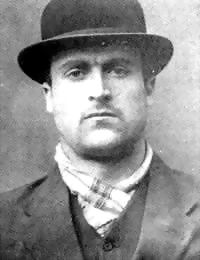
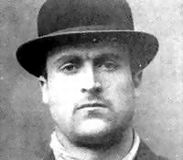
| Forensic Heading / Aliases | Frederick Guy Browne (Leo Brown) |
| Legal Identity | Frederick Guy Browne |
| Confirmed Victims | 1 (PC George Gutteridge) |
| Attributed / Indicted Victims | 1 |
| Active Timeline | 1927 |
| Jurisdiction / Area of Operations | Essex and Greater London, United Kingdom |
| Criminological Classification | Law enforcement assassin and career vehicle thief |
| Forensic Modus Operandi | Vehicle interception, grand theft auto, and point-blank execution of law enforcement witnesses targeting the eyes to eliminate identification |
| Weapon / Mechanism of Death | .45 caliber Webley revolver |
| Motive / Behavioral Dynamics | Evasion of justice and concealment of ongoing property crimes |
| Judicial Outcome | Convicted of murder at the Old Bailey and executed by hanging on May 31, 1928 |
1. Background and Profile
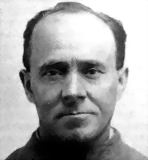
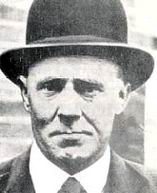
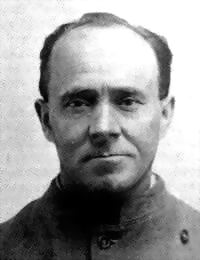
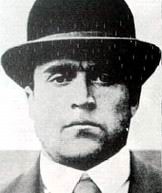
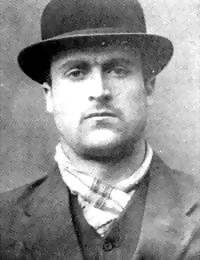
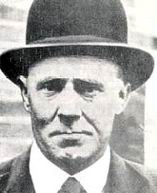
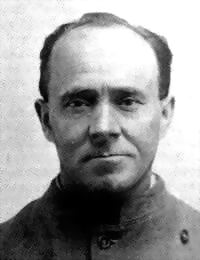
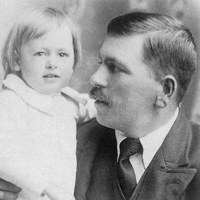
Frederick Guy Browne possessed an extensive criminal record primarily involving vehicle thefts, motorcycle thefts, and insurance fraud. His violent tendencies and disregard for authority led to multiple stints in maximum-security British penitentiaries. Within criminal circles, he aligned with Patrick William Kennedy, a cashiered soldier with convictions for violent offenses, housebreaking, and desertion. Together, they operated a lucrative illicit enterprise centered on stealing and fencing automobiles.
2. Crime Spree
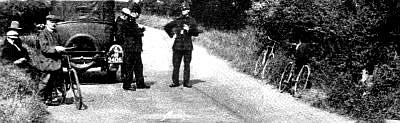
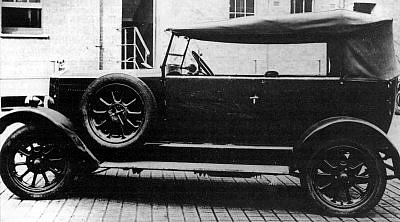
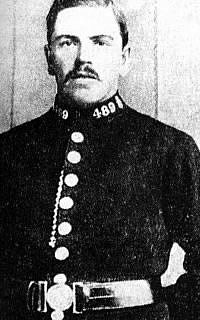
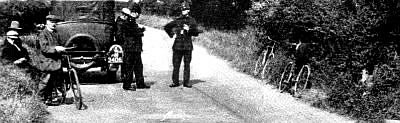
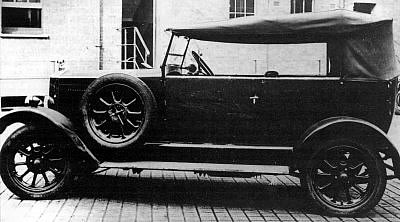
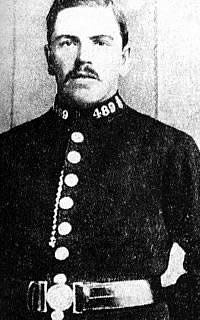
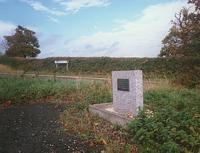
In the early hours of September 27, 1927, Browne and Kennedy were driving a stolen Morris-Cowley through Essex when they were flagged down near Howe Green by Police Constable George Gutteridge. Realizing the officer was about to log their details and inspect the vehicle, the duo launched a lethal ambush. Gutteridge was shot four times at close range—twice through the left cheek and once through each eye. The deliberate mutilation of the ocular region reflected a criminal superstition aimed at destroying any final visual imprint purportedly left on the retinas of a dying victim.
3. Investigation and Arrest
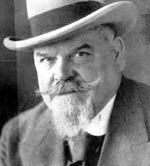
The investigation into Constable Gutteridge's murder became a milestone in forensic science and early ballistics. Renowned firearms expert Robert Churchill examined cartridge cases recovered from the abandoned getaway car in Brixton, identifying a unique microscopic scratch caused by a defect in the breech-block of the murder weapon. Months later, police executed raids on Browne's garage and lodgings, ultimately uncovering a hidden Webley revolver inside a secret compartment of a vehicle associated with Browne. Comparative microscopic analysis by Churchill proved conclusively that this specific weapon fired the fatal rounds.
4. Legal Proceedings and Outcome
Browne was initially arrested in January 1928 on charges relating to a separate car theft. Shortly after, his accomplice Patrick Kennedy was apprehended in Liverpool following a violent confrontation in which he attempted to shoot a police detective, though the weapon failed to discharge due to a safety catch. Under interrogation and after consultation with his wife, Kennedy confessed and implicated Browne. The trial opened at the Old Bailey in April 1928, dominated by groundbreaking ballistic evidence that cemented the phrase "hanged by a microscope."
5. Psychiatric Evaluation and Execution
Throughout the legal proceedings, both defendants maintained their innocence and offered alibis that were dismantled by the Crown's forensic testimony. The jury returned a guilty verdict, resulting in mandatory death sentences. On May 31, 1928, Frederick Guy Browne was executed at Pentonville Prison, and Patrick William Kennedy was hanged at Wandsworth Prison, concluding a landmark case in British criminal history.