

Forensic & Criminological Matrix
| Parameter | Forensic Detail |
|---|---|
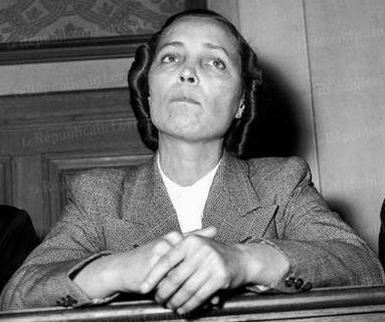
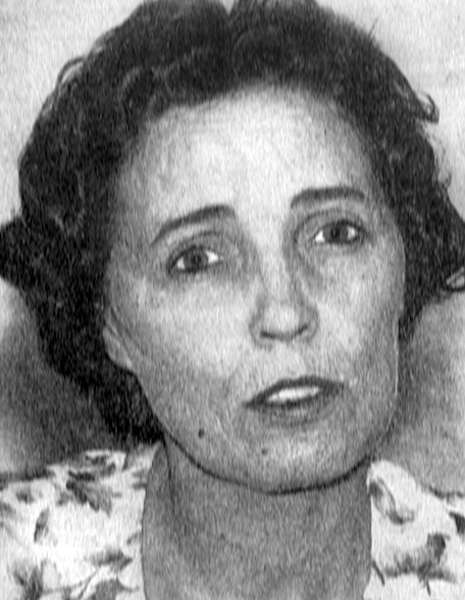
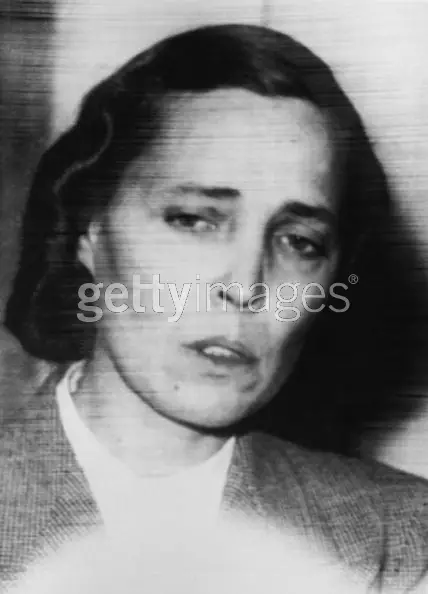
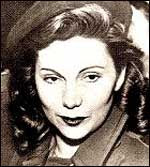
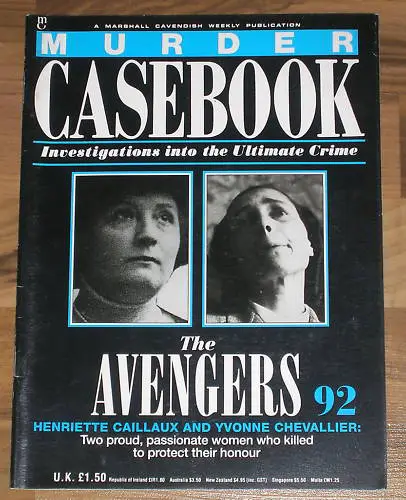
| Full Legal Name | Yvonne Le Marec (married name Chevallier) |
| Historical Press Moniker | The Assassin of the Orleans Minister |
| Nationality | French |
| Date of Birth | July 28, 1912, Brest, Finistère, Brittany |
| Date of Death | November 19, 1985 (aged 73) |
| Homicide Victim | Pierre Chevallier (aged 42), French Secretary of State for Technical Education, Member of the National Assembly, and Mayor of Orleans |
| Date & Time of the Slaying | August 12, 1951, at approximately 04:00 AM |
| Crime Scene | Family townhouse at 2 rue Jeanne-d'Arc, Orleans, France |
| Weapon Utilized | MAB Model D 7.65mm (.32 ACP) semi-automatic pistol |
| Ballistic Impact Points | 5 gunshots (4 entering thoracic and abdominal cavities, 1 point-blank finishing shot to the nape of the neck) |
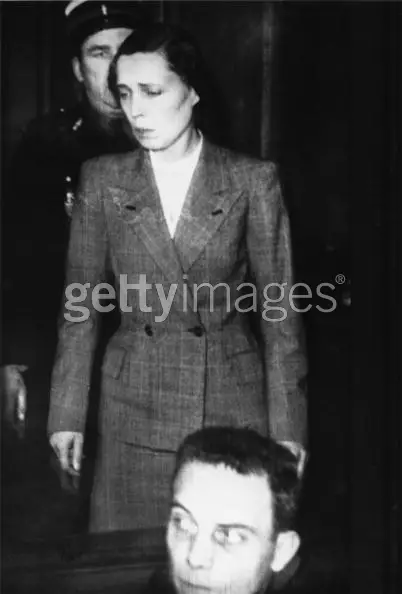
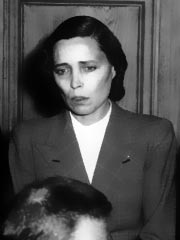
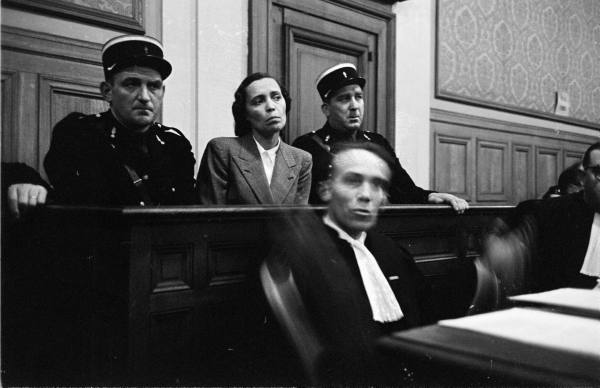
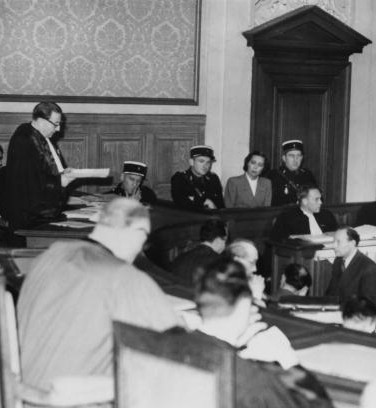
| Historic Judicial Verdict | Complete acquittal by a popular jury on the grounds of "crime of passion" (crime passionnel), Poitiers Assize Court (November 6, 1952) |
| Legal Significance | Landmark French jurisprudence milestone defended by attorney René Floriot; provoked international debate over the penal leniency granted to passion-driven homicides |
Political Ascent and Conjugal Breakdown
Yvonne Le Marec married Pierre Chevallier in the late 1930s. Together they established a home in Orleans and raised two sons. During World War II, Pierre distinguished himself as an underground commander within the French Resistance, aiding the liberation of the Loire Valley and earning military honors.
Following the war, Pierre entered electoral politics under the Fourth Republic with meteoric success: he became Mayor of Orleans, won a seat in the National Assembly for the UDSR party, and became a close parliamentary ally of Premier René Pleven.
Yet behind this public prestige, his marriage was collapsing. Yvonne, a modest, dedicated woman who had managed the domestic household and funded his political campaigns, discovered that Pierre was conducting an open affair with Jeanne Perreau, the glamorous wife of his primary campaign strategist. Pierre openly neglected his wife, spent nights away, and repeatedly threatened to strip Yvonne of child custody.
The Ministerial Appointment and Fatal Dawn
On August 11, 1951, Pierre Chevallier attained the summit of his career when Premier René Pleven officially appointed him Secretary of State for Technical Education. Orleans celebrated his national triumph with banquets and civic parades.
That midnight, Pierre returned from cabinet briefings in Paris. Rather than celebrating with his family, he met his mistress Jeanne Perreau. At approximately 03:30 AM on August 12, he returned home to their apartment at 2 rue Jeanne-d'Arc.
Inside the master bedroom, an altercation erupted:
- Yvonne confronted him for deserting her on the night of his political triumph.
- Pierre coldly declared that his newly gained national ministry made their divorce imperative, stating he planned to move to Paris with Jeanne Perreau and would initiate proceedings that week.
- Driven to despair by his contempt, Yvonne opened the nightstand drawer where Pierre kept his 7.65mm service pistol.
- Seeing the weapon, Pierre mocked her: "You would never dare, you miserable wretch!"
Yvonne squeezed the trigger repeatedly:
- Four bullets struck Pierre through the chest and stomach, dropping him to his knees on the rug.
- As he lay bleeding on the floor, Yvonne leaned over his body and discharged a fifth point-blank shot directly into the nape of his neck.
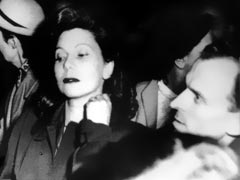
Moments later, Yvonne walked into the Orleans central police prefecture with bloodstained hands, placing the weapon on the commissioner's desk and stating: "I have just killed my husband. He had it coming."
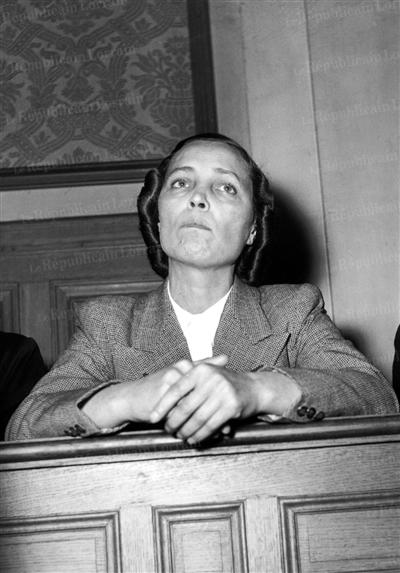
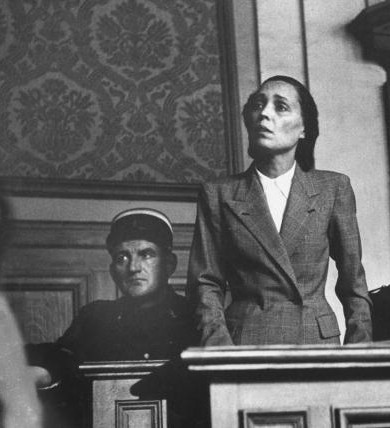
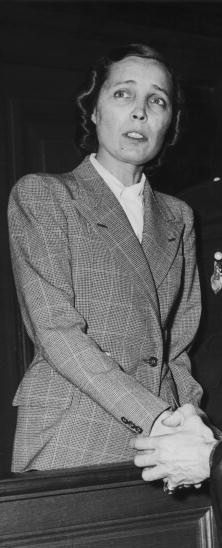
The Poitiers Trial and René Floriot's Defense
The assassination of an active government minister within twenty-four hours of taking office stunned France. To prevent local political riots in Orleans, the Supreme Court moved the trial venue to the Vienne Assize Court in Poitiers.
Civil parties representing Chevallier's political estate retained top Parisian prosecutors demanding capital punishment or life penal servitude, highlighting the execution-style shot to the nape as undeniable proof of premeditated malice.
Yvonne was represented by France's most celebrated criminal defense barrister: René Floriot.
Floriot executed an emotional and forensic defense centered on female honor, betrayal, and bourgeois hypocrisy:
- He introduced private letters proving that Pierre and his mistress plotted to leave Yvonne destitute while parading the mistress across Parisian ministries.
- He portrayed Yvonne as a devoted wife and mother who endured wartime terror while Pierre pursued vanity and adultery.
- In his three-hour closing address, Floriot famously appealed to the provincial jury: "This trigger was pulled not by malice or greed, but by the unbearable agony of a devastated heart."
The Landmark Acquittal
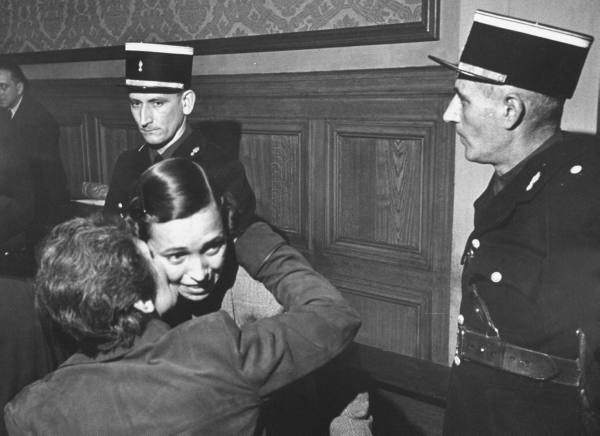
On November 6, 1952, after less than two hours of closed deliberation, the Poitiers Assize jury delivered its decision:
- Not Guilty: Yvonne Chevallier was acquitted of all murder and manslaughter charges.
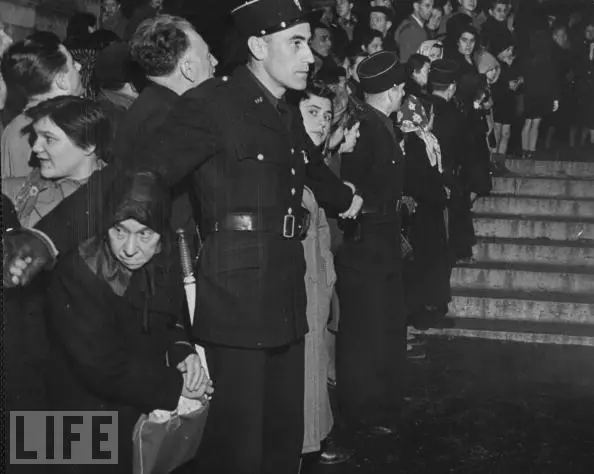
Wild cheers erupted across the courthouse. Yvonne was discharged from custody that same evening.
The Poitiers verdict generated global astonishment, with Anglo-Saxon legal scholars criticizing France's cultural indulgence toward crimes of passion. Yvonne withdrew into total anonymity in Brittany, passing away in 1985 without ever granting a public interview.