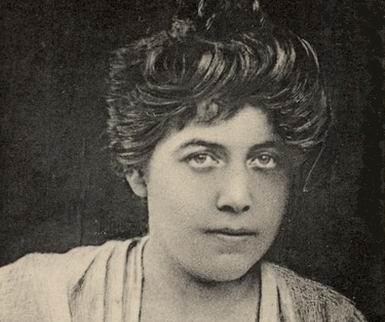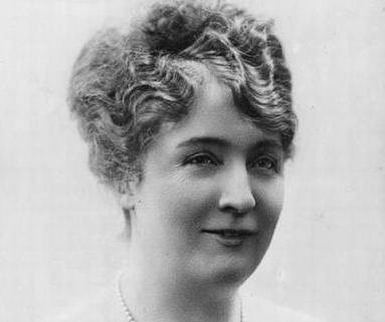




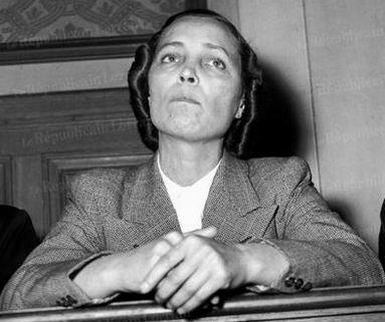
Forensic & Criminological Matrix
| Parameter | Forensic Detail |
|---|---|
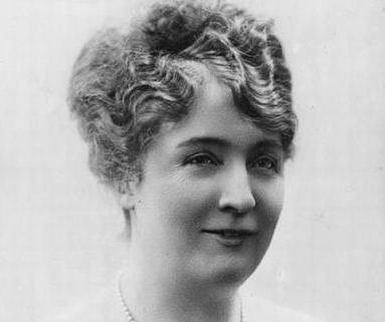
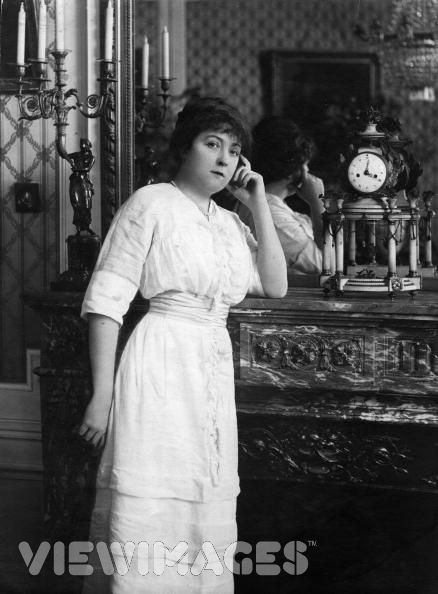
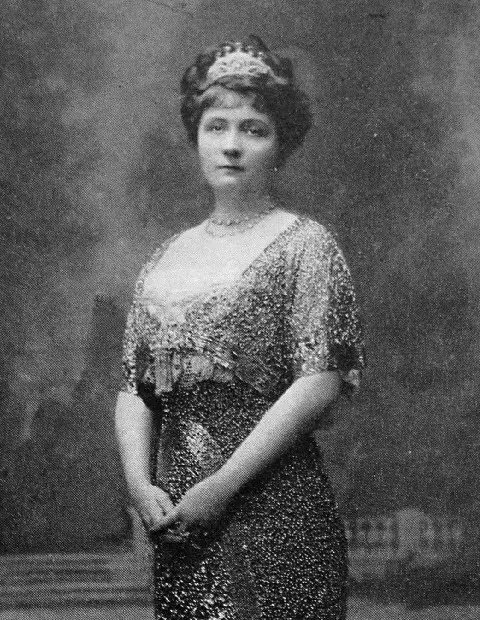
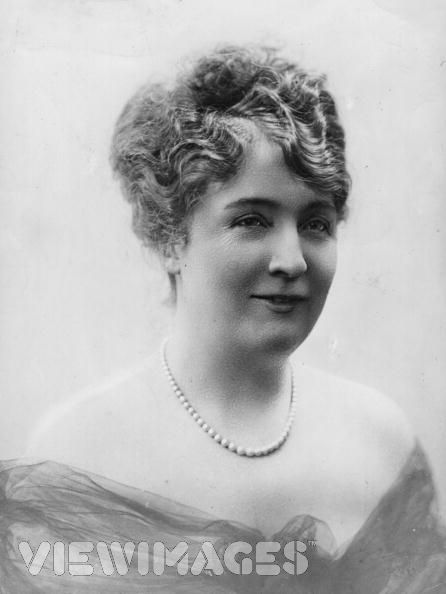
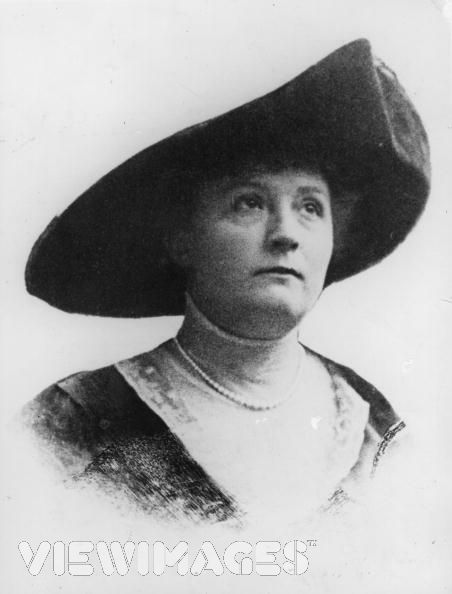
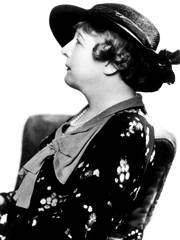
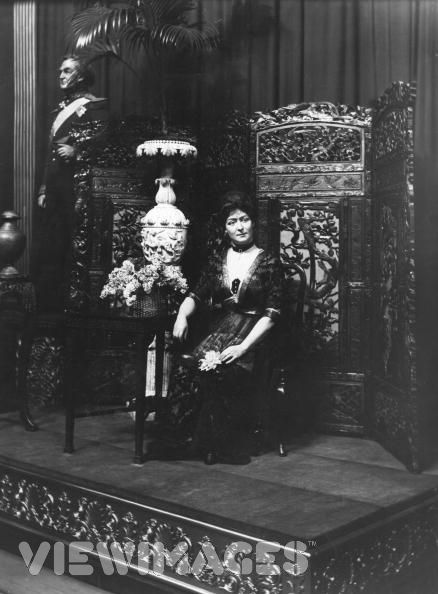
| Full Legal Name | Henriette Raynouard (Madame Henriette Caillaux) |
| Legal Case Landmark | L'Affaire Caillaux, The Figaro Assassination |
| Born | December 5, 1874, Rueil-Malmaison, Hauts-de-Seine, France |
| Died | January 29, 1943 (aged 68), Mamers, Sarthe, France |
| Manner of Death | Natural death from medical causes |
| Criminological Classification | Crime of honor / political passion (crime passionnel), acquitted at trial |
| Event Date | March 16, 1914 (late afternoon) |
| Crime Scene | Editorial headquarters of Le Figaro, Rue Drouot, Paris, France |
| Fatal Victim | Gaston Calmette (aged 55), editor-in-chief and co-owner of Le Figaro |
| Weaponry Used | Browning Model 1900 semi-automatic pistol, .32 ACP (7.65 mm caliber) |
| Lead Defense Counsel | Fernand Labori (famed defender of Captain Alfred Dreyfus) |
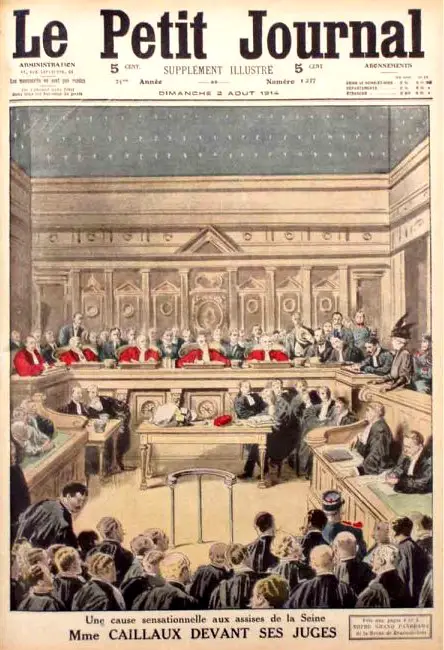
| Judicial Determination | ACQUITTED by the Seine Assizes Court jury on July 28, 1914, under the doctrine of irresistible emotional frenzy (crime passionnel) |
EXECUTIVE SUMMARY & HISTORICAL OVERVIEW
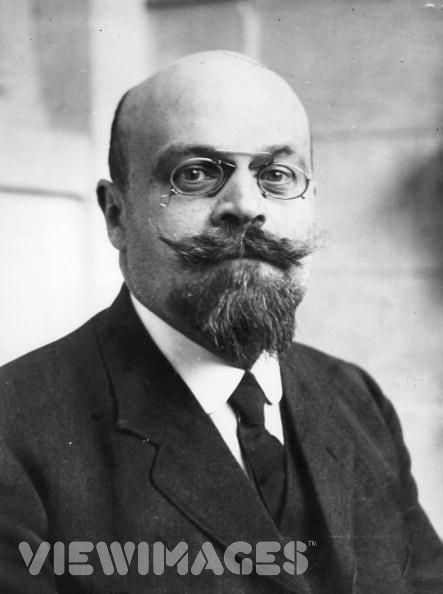
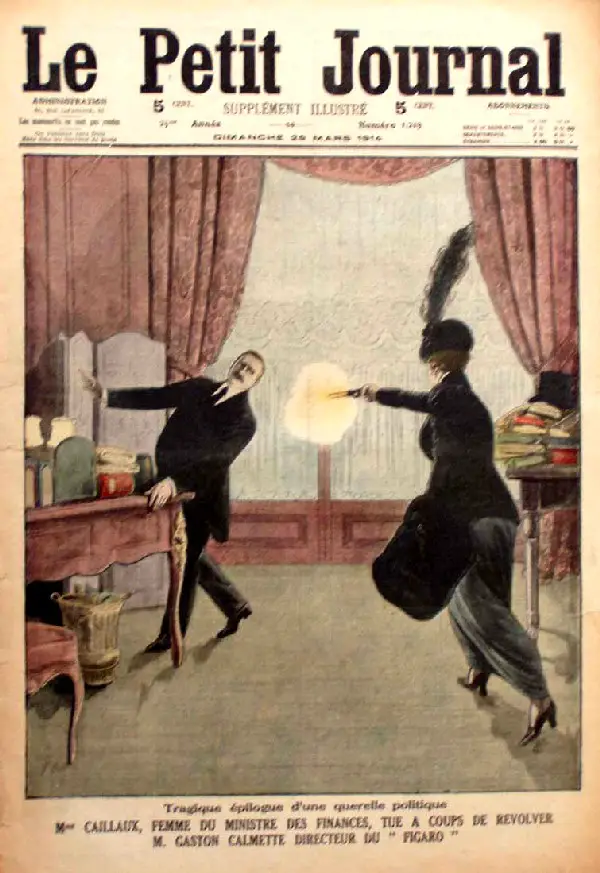
On March 16, 1914, the firing of six gunshots inside the executive offices of Le Figaro in Paris triggered a political earthquake across the French Third Republic. Henriette Caillaux, wife of the powerful Finance Minister and Radical Party leader Joseph Caillaux, shot and mortally wounded the newspaper's director, Gaston Calmette.
Her trial in July 1914 transfixed France during the countdown to the First World War. Her dramatic acquittal on July 28, 1914—the very day Austria-Hungary declared war on Serbia—stands as the definitive legal landmark of the crime passionnel defense within the French legal tradition, demonstrating how gendered concepts of uncontainable emotional distress and aristocratic honor could override statutory murder statutes.
POLITICAL HOSTILITIES AND THE LE FIGARO SMEAR CAMPAIGN
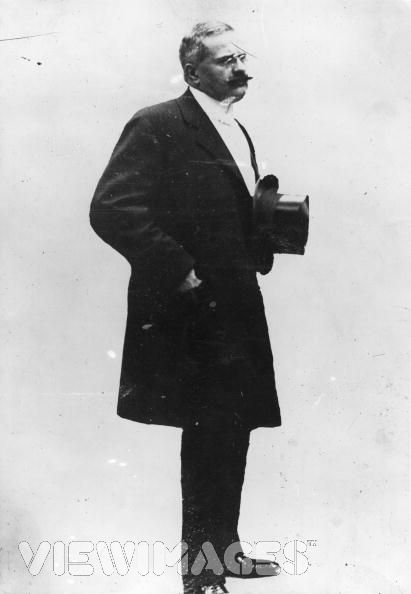
Henriette Raynouard was a sophisticated, educated member of the Parisian high bourgeoisie. Following a divorce, she married Joseph Caillaux in 1911. Caillaux was an ambitious statesman championing a progressive national income tax and promoting diplomatic détente with the German Empire—policies violently opposed by the nationalist right.
Beginning in early 1914, Le Figaro, spearheaded by editor Gaston Calmette, orchestrated an unrelenting smear campaign against Caillaux, publishing daily polemics alleging financial impropriety and treasonous pacification.
The feud took an intimate turn when Calmette acquired private correspondence written by Joseph Caillaux to Henriette during their secret affair while both were still married to previous spouses. Henriette learned that Calmette intended to publish these letters to destroy her reputation and drive her husband from cabinet office.
THE ASSASSINATION ON RUE DROUOT (MARCH 16, 1914)
On the afternoon of March 16, 1914, Madame Caillaux visited the gunsmith Gastinne Renette on the Champs-Élysées, purchasing a Browning .32 automatic pistol and target cartridges.
At 5:15 p.m., wearing a fur muff concealing the weapon, she arrived in her chauffeured automobile at Le Figaro’s offices on Rue Drouot. Admitted to Calmette’s office, she made no introductory remarks; she drew the handgun and fired six rounds in rapid succession. Four bullets struck Calmette in the chest and abdomen.
As newspaper staff rushed in, Caillaux placed the smoking weapon onto a desk, calmly stating: "Do not be alarmed, I am a lady and I will not flee. I have done what honor demanded." Calmette succumbed to his wounds in hospital that night.
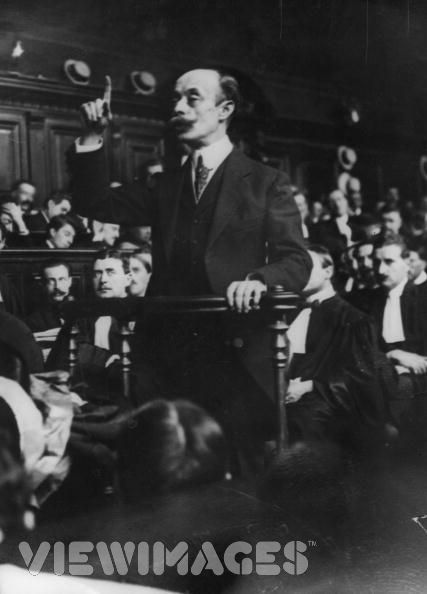
THE TRIAL OF THE CENTURY AND MAÎTRE LABORI
The trial convened on July 20, 1914, before the Seine Assizes Court. Joseph Caillaux resigned his ministry to oversee the defense, retaining the formidable advocate Fernand Labori.
Labori mounted an ingenious defense grounded in early 20th-century forensic psychiatry and French gender psychology:
- The Irresistible Passion Argument: Labori argued that Henriette acted without premeditation, experiencing a temporary psychological blackout brought on by agonizing panic that her domestic honor and family life were about to be publicly ruined.
- Mechanical Weapon Reaction: Labori demonstrated that the automatic firing mechanism of the modern Browning pistol caused it to discharge the full magazine unintentionally once the trigger was pulled, arguing she had only intended to frighten Calmette.
VERDICT AND AFTERMATH
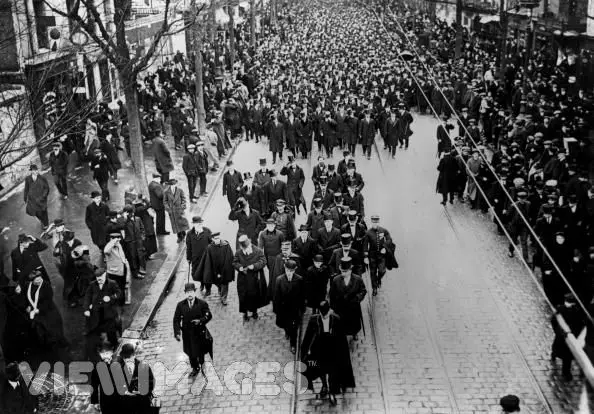
On July 28, 1914, the jury deliberated for fifty minutes before returning a verdict of NOT GUILTY. The acquittal sparked celebrations among left-wing supporters and riots along the Parisian boulevards.
The verdict was eclipsed the following morning by international mobilization orders as the July Crisis ignited the First World War.
Henriette Caillaux retired from public controversy, studying art history and graduating from the École du Louvre. She lived quietly alongside her husband until her death in Mamers in January 1943 at the age of 68.