



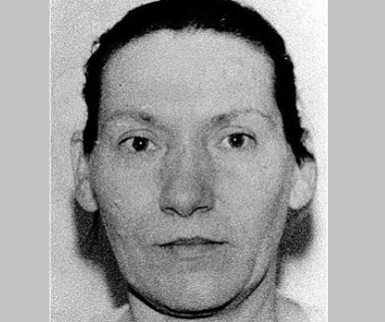
Forensic & Criminological Matrix
| Parameter | Forensic Detail |
|---|---|
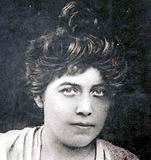
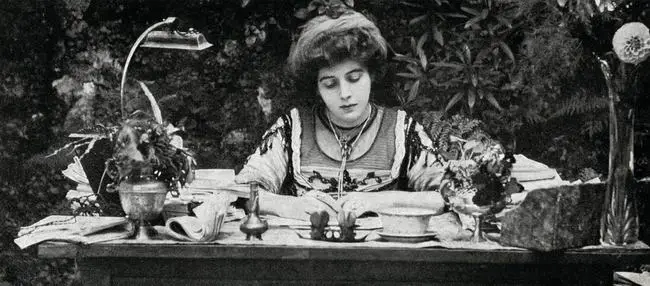
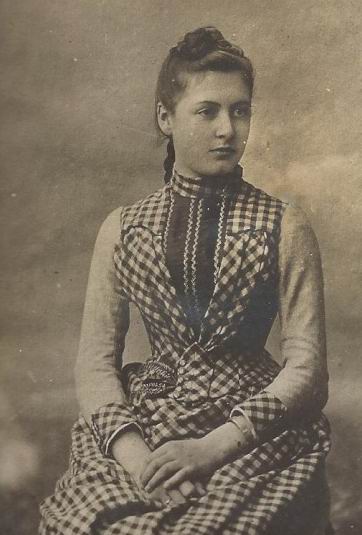
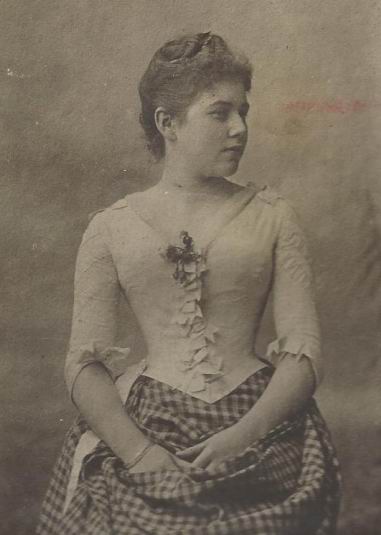
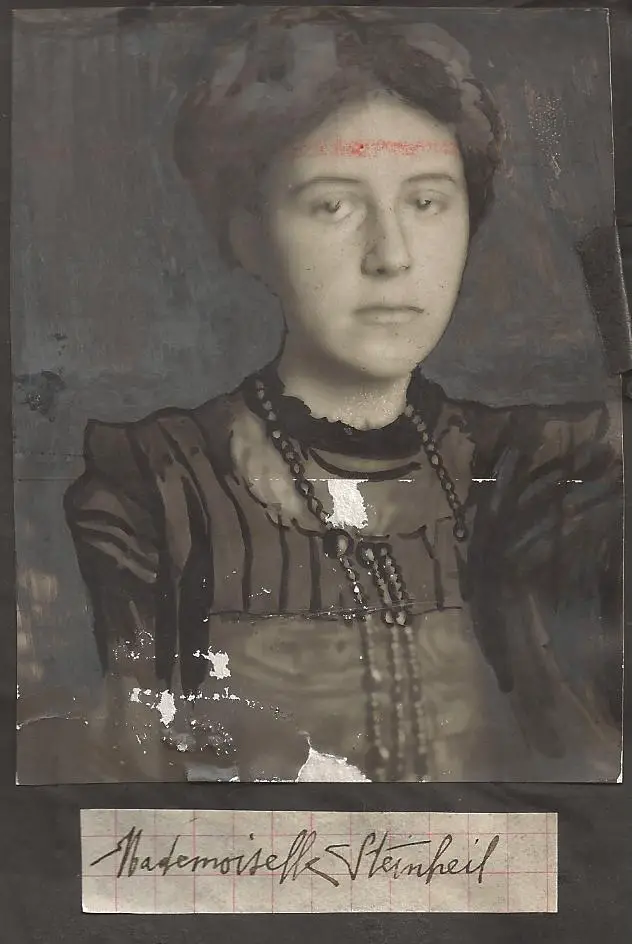
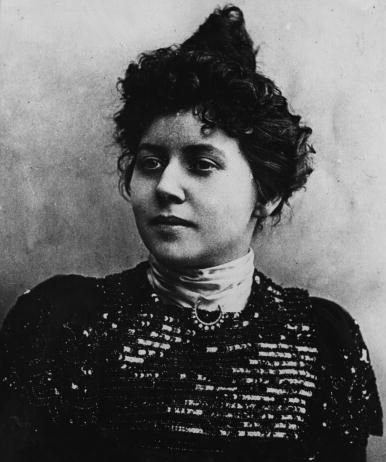
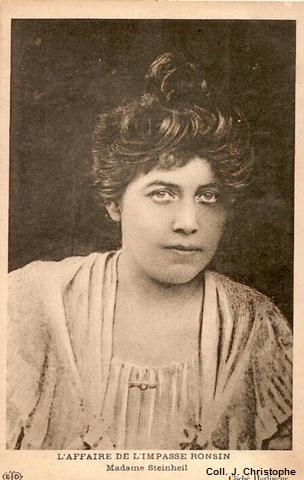
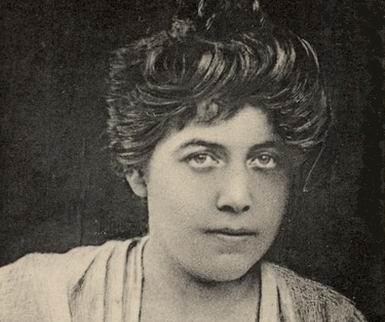
| Full Legal Name | Marguerite Jeanne Japy Steinheil (later Lady Abinger). |
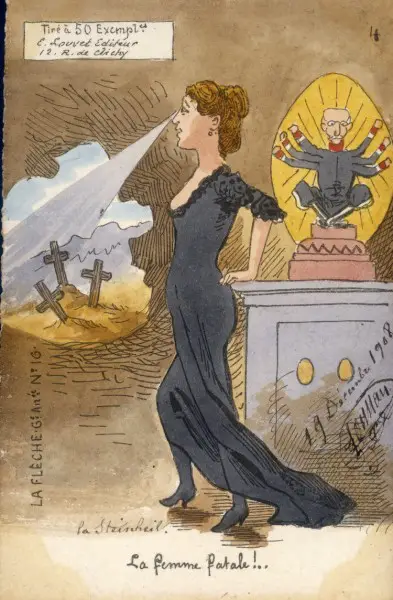
| Historic Moniker | The Red Widow (La Veuve Rouge). |
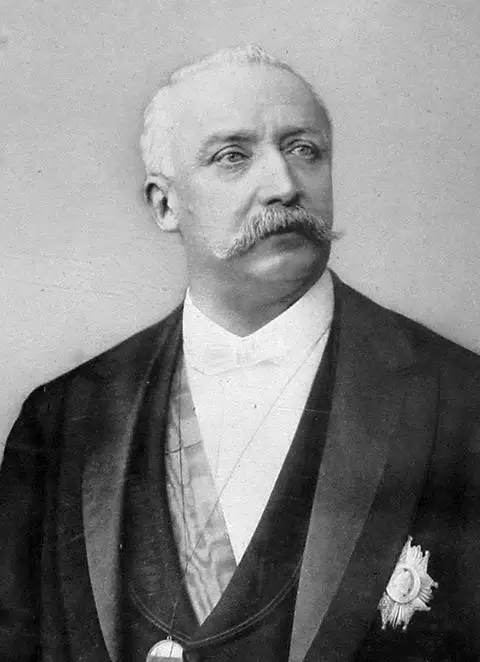
| Belle Époque Milestone | Renowned mistress of French President Félix Faure, who suffered a fatal stroke while in her company at the Élysée Palace in 1899. |
| Criminological Classification | Prime suspect and indicted conspirator in double parricide/homicide with simulated crime scene. |
| Date of Crime | Night of May 30–31, 1908. |
| Crime Scene | 6 Bis Impasse Ronsin, 15th Arrondissement, Paris, France. |
| Judicial Outcome | Acquitted of all charges by the Seine Assize Court on November 14, 1909. Died in Sussex, England, on July 17, 1954, at age 85. |
The Courtesan of the Third Republic
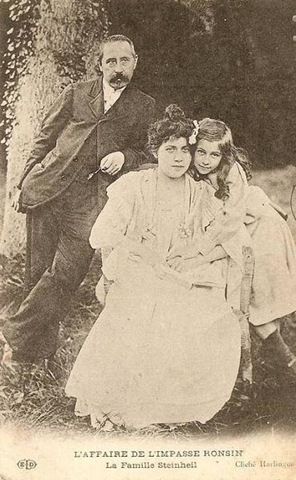
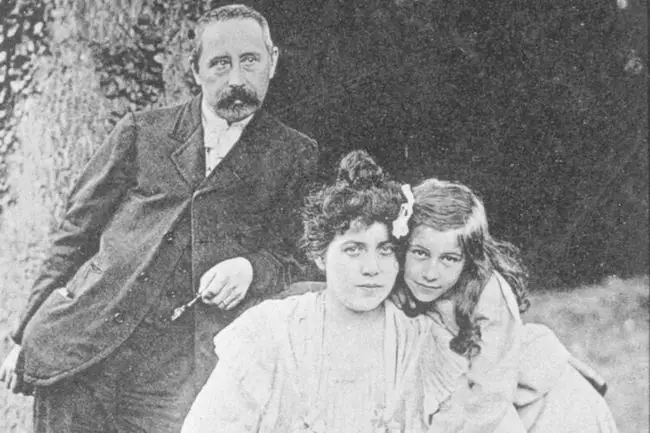
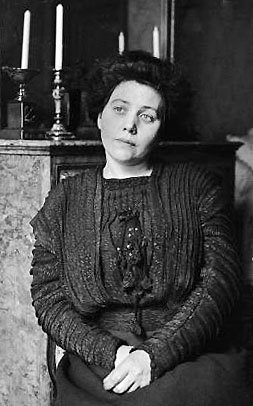
Marguerite Jeanne Japy was born in Beaucourt on April 16, 1869, into a wealthy industrial dynasty. In 1890, she married the established society portraitist Adolphe Steinheil. Their Parisian residence became one of the preeminent literary and political salons of the Belle Époque, patronized by prime ministers, diplomats, and academicians.
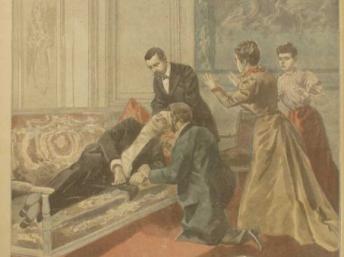
In 1897, she became the mistress of French President Félix Faure. On February 16, 1899, President Faure suffered a fatal cerebral hemorrhage during a private liaison with Marguerite in the Blue Salon of the Élysée Palace, triggering international scandal and feverish conspiracy theories regarding political intrigue.
Marguerite weathered the storm, maintaining relationships with wealthy patrons while her marriage to Adolphe Steinheil became a purely functional financial arrangement.
The Double Murder of Impasse Ronsin (May 1908)
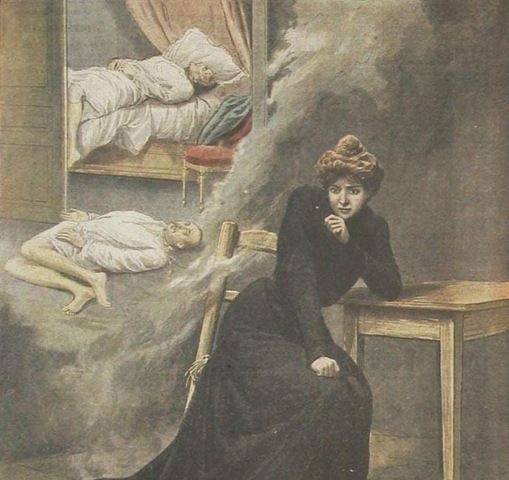
On the morning of May 31, 1908, the Steinheil household staff discovered a grisly scene: Adolphe Steinheil lay strangled on his bedroom floor, while in an adjacent chamber, Marguerite's 72-year-old mother had been suffocated in bed.
Marguerite was found tied loosely to her bed, gagged with a silk scarf. She told investigators that four hooded intruders in black monastic cloaks—three men and a red-haired woman—had stormed the villa demanding hidden political state papers and gold, killing her husband and mother before sparing her life.
Fabrications and Imprisonment
The Sûreté soon determined that the monk narrative was a clumsy fabrication: the cords binding Marguerite were extraordinarily loose, watchdog alarms had not sounded, and jewelry safes remained intact.
Panicking under mounting suspicion, Marguerite repeatedly tried to frame innocent household servants. She planted a pearl in the pocket of Rémy Couillard, her housekeeper's son, and subsequently accused her loyal valet Alexandre Wolff. When forensic investigators proved she had planted the evidence herself, she was arrested in November 1908 and incarcerated at Saint-Lazare prison.
The Sensational Trial of the Century and Acquittal
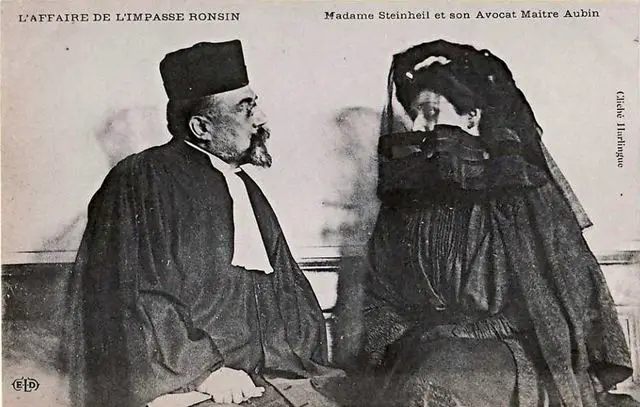
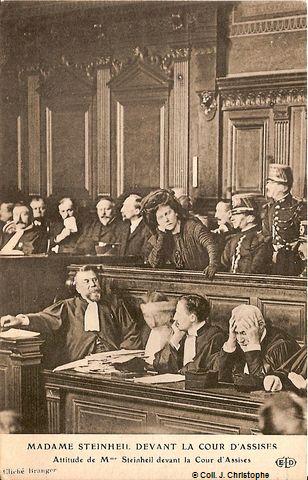
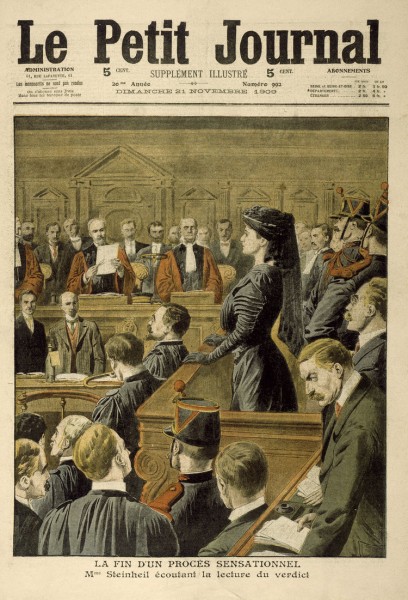
Her November 1909 trial before the Seine Assizes became a global media spectacle dubbed "The Trial of the Red Widow".
Marguerite gave an extraordinary theatrical performance from the prisoner's dock, collapsing in fainting spells, weeping, and parrying the prosecution's queries with charismatic flair. While prosecutors demonstrated that she was a pathological liar who had orchestrated false evidence, they were unable to produce conclusive physical proof linking her directly to the physical act of strangulation or identify hired hitmen.
On November 14, 1909, the jury returned a verdict of Not Guilty.
Exiting to British High Society
Ostracized in France, Marguerite relocated to London, publishing her memoirs and reinventing herself in British society. In 1917, she married Robert Brooke Campbell Scarlett, 6th Baron Abinger, assuming the title of Lady Abinger.
She lived out her final decades in Sussex nursing facilities, dying on July 17, 1954, at age 85. The Impasse Ronsin murders remain officially unsolved.