



Forensic & Criminological Matrix
| Parameter | Forensic Detail |
|---|---|
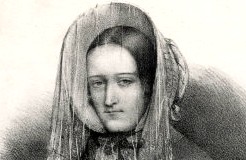
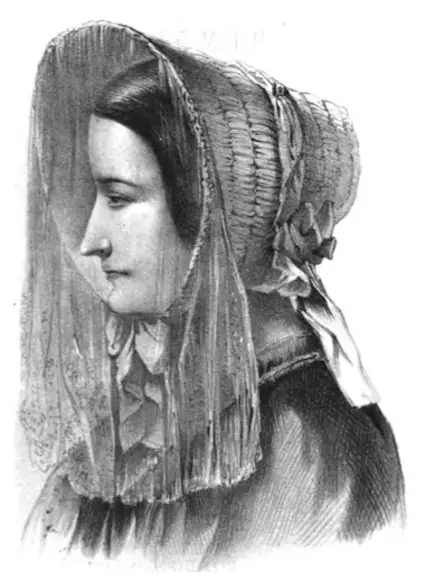
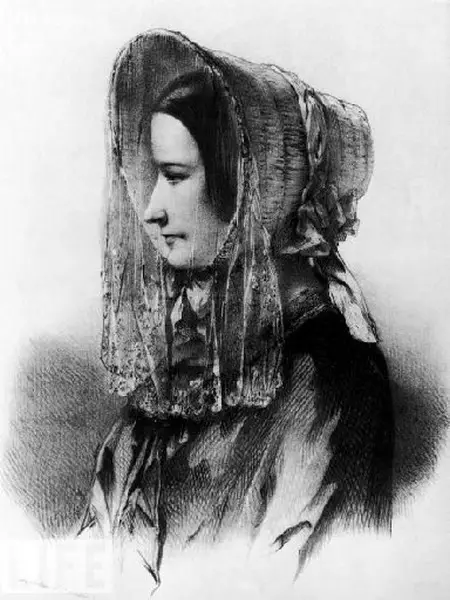
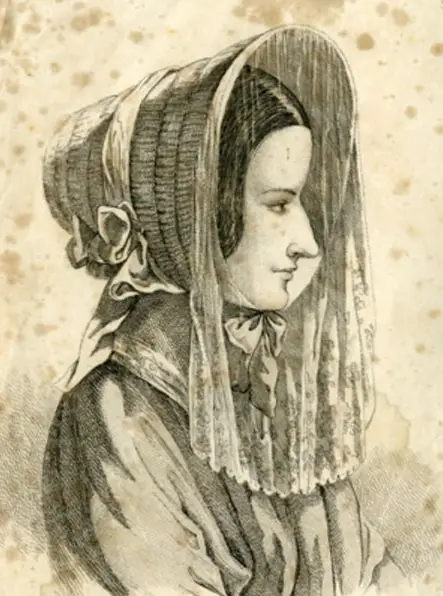
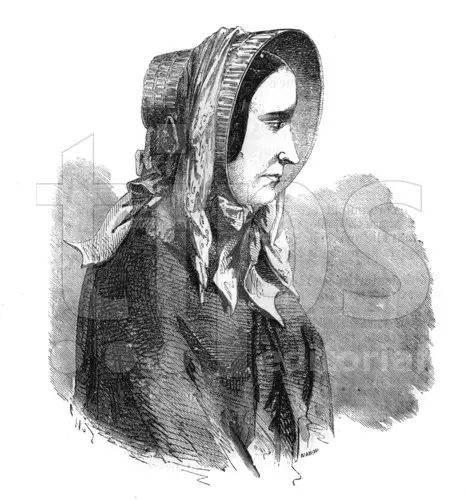
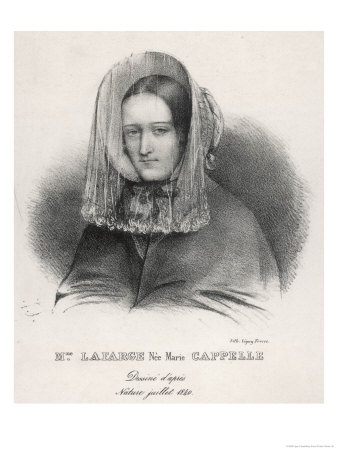
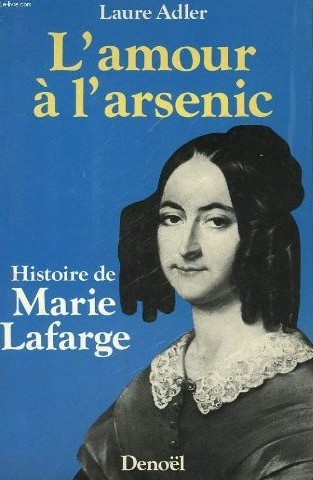
| Full Legal Name | Marie-Fortunée Cappelle Lafarge. |
| Foundational Scientific Milestone | First criminal trial in world history resolved through the Marsh chemical test applied to human viscera. |
| Pivotal Forensic Authority | Mathieu Joseph Bonaventure Orfila (the acknowledged father of modern forensic toxicology). |
| Criminological Typology | Marital arsenic poisoner / 19th-century landmark medico-legal paradigm. |
| Date of Crime | January 1840. |
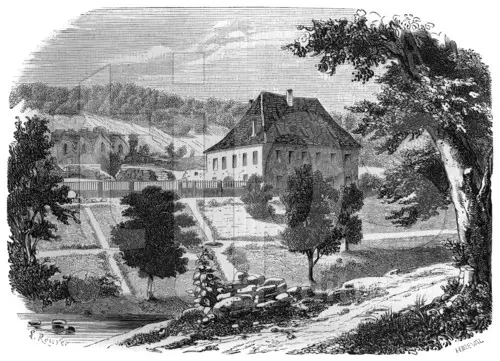
| Crime Scene | Ironworks foundry and estate of Le Glandier, Beyssac, Corrèze, Kingdom of France. |
| Fatal Casualty | Charles Pouch-Lafarge (aged 28), iron foundry owner and Marie's husband. |
| Lethal Substance | Arsenic trioxide ("white arsenic") procured under the ruse of rat eradication. |
| Judicial Penalty | Life imprisonment with hard labor (travaux forcés à perpétuité). Pardoned by Napoleon III in 1852 due to terminal tuberculosis; died on November 7, 1852, at age 36. |
The Romantic Orphan and the Deceptive Match
Marie-Fortunée Cappelle was born in Paris on January 15, 1816, to an aristocratic military family. Educated in elite Parisian boarding schools, she cultivated romantic ideals steeped in Lord Byron's poetry, grand music, and high society aspirations.
Orphaned in adolescence and possessing limited dowry funds, her relatives engaged a Parisian matrimonial broker. In 1839, she was introduced to Charles Lafarge, who falsely presented himself as an affluent industrialist owning a noble ancestral château and flourishing iron foundries at Le Glandier in rural Corrèze. Enchanted by his representations, Marie agreed to marry him.
Upon arriving at Le Glandier in August 1839, her romantic illusions shattered: the "château" was a dilapidated, rat-infested former monastery surrounded by choking slag heaps. The ironworks was hopelessly bankrupt, and Lafarge had married Marie solely to seize her dowry to stave off imminent foreclosure.
The Arsenic Infusion and Agony at Le Glandier
Trapped in an isolated rural valley, Marie signed reciprocal wills with her husband while plotting escape. In December 1839, Charles traveled to Paris to negotiate bank loans. Marie dispatched a wooden crate containing homemade pastries and affectionate letters. Upon consuming a cake, Charles collapsed with violent gastric convulsions.
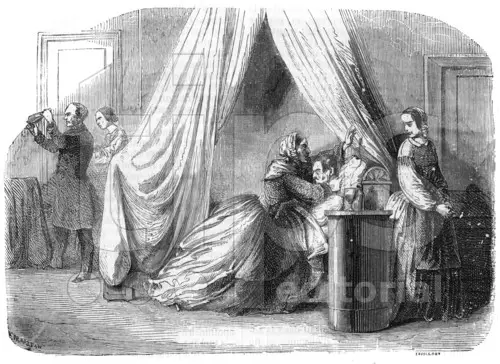
Returning to Le Glandier in January 1840, his condition deteriorated rapidly. Bedridden with delirium, vomiting, and internal burning, he was nursed by Marie, who prepared his gruels and almond milk broths. Household servants repeatedly witnessed Marie surreptitiously stirring a mysterious white powder into her husband's beverages—substance she claimed was "gum arabic" to soothe his throat. Servants were aware that Marie had recently purchased large packets of rat poison from the local apothecary.
Charles Lafarge expired in agony on January 14, 1840. His family immediately filed criminal charges against Marie for murder by poison.
Mathieu Orfila and the Landmark Marsh Test
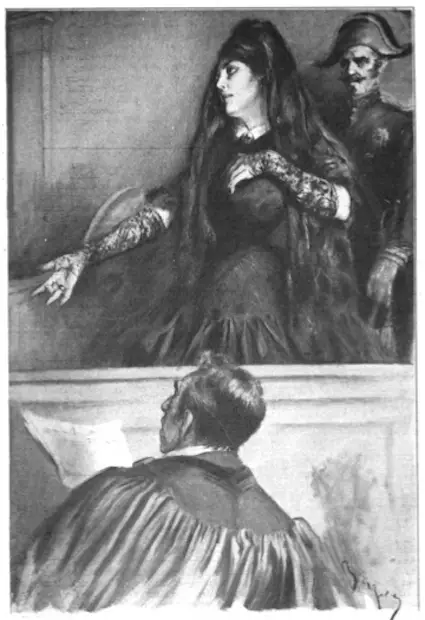
The trial at Tulle in September 1840 polarized Europe. Parisian literary circles, including George Sand, passionately championed Marie as a misunderstood victim of provincial barbarism.
Initial chemical tests performed by rural doctors failed to yield definitive arsenic reactions. Confronting deadlock, the Assize Court ordered the exhumation of the corpse and summoned Mathieu Orfila, Dean of the Paris Faculty of Medicine and the foremost toxicologist of the era.
Conducting the newly developed Marsh apparatus test in a sealed laboratory inside the courthouse, Orfila demonstrated rigorous scientific discipline: controlling for chemical impurities, he extracted pure arsenic from Lafarge's decomposed organs, producing the unmistakable metallic arsenic "mirror" on porcelain before the spellbound court. Orfila stated: "I will demonstrate that arsenic exists in the body of Charles Lafarge; that it comes neither from reagents nor from cemetery soil, but from ingested poison."
Conviction, Memoirs, and Legacy
Orfila's forensic findings proved decisive. On September 19, 1840, the jury convicted Marie Lafarge of murder with mitigating circumstances, sentencing her to life imprisonment with hard labor.
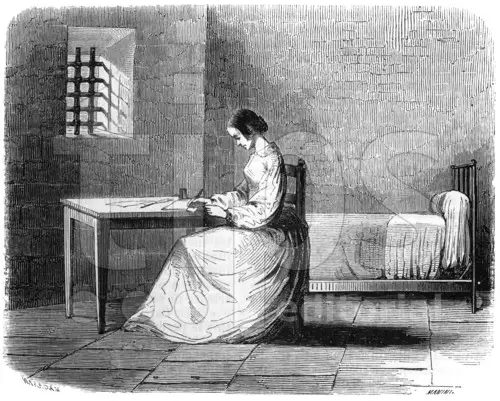
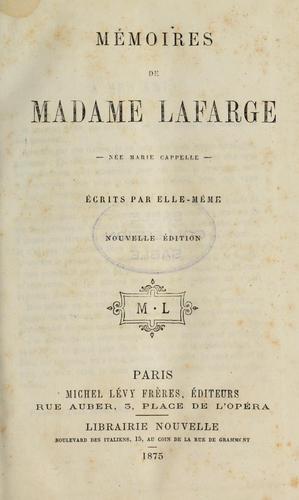
Incarcerated at Montpellier, Marie penned best-selling memoirs that sustained public debate across Europe. In June 1852, suffering from terminal pulmonary tuberculosis, Emperor Napoleon III granted her an executive pardon. She passed away five months later on November 7, 1852, at age 36. Her trial remains celebrated in legal medicine as the historic dawn of modern forensic chemistry.