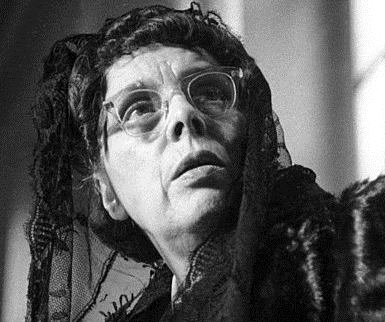




Forensic & Criminological Matrix
| Parameter | Forensic Detail |
|---|---|
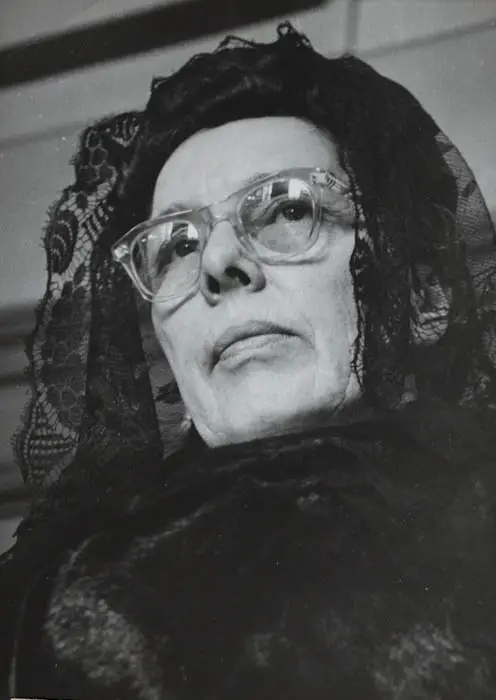
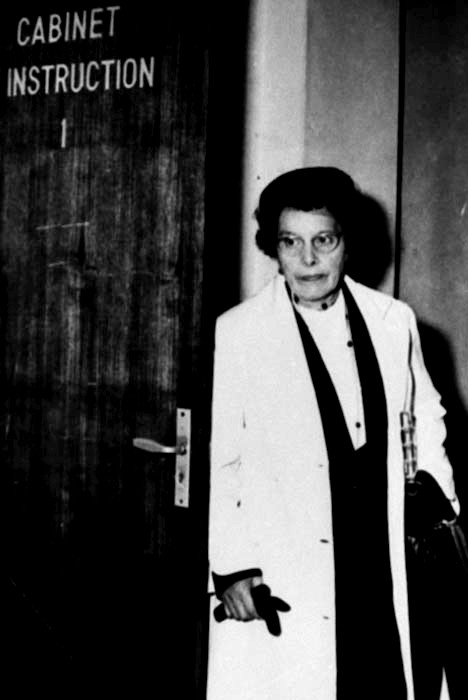
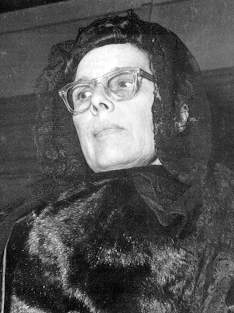
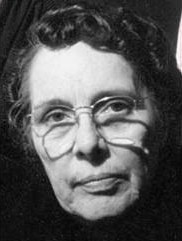
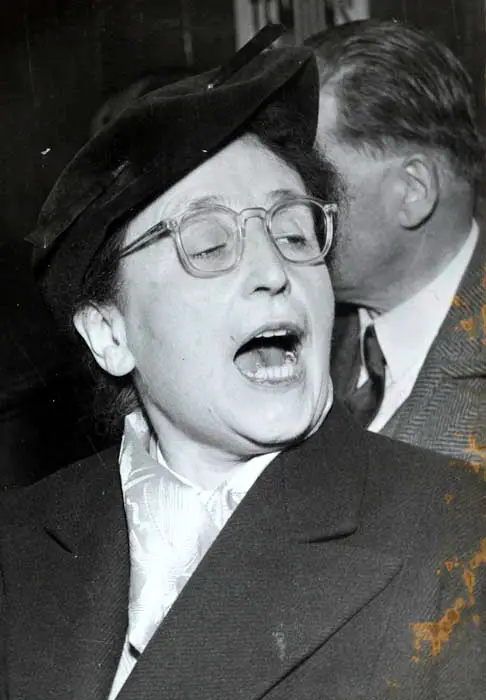
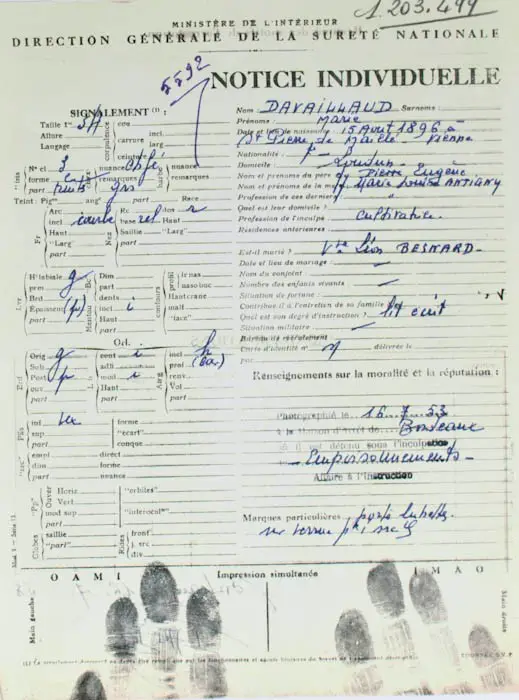
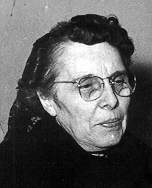
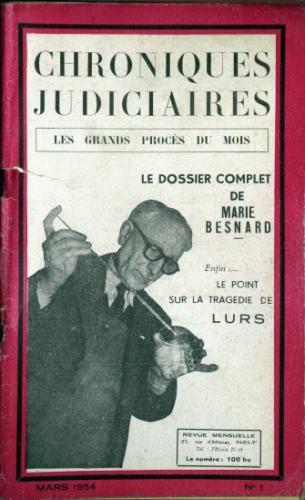
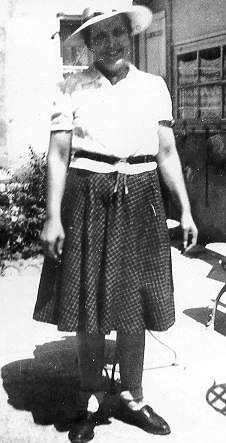
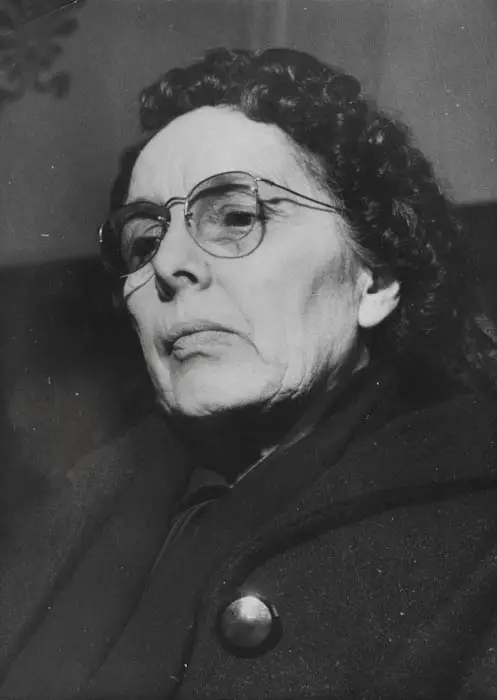
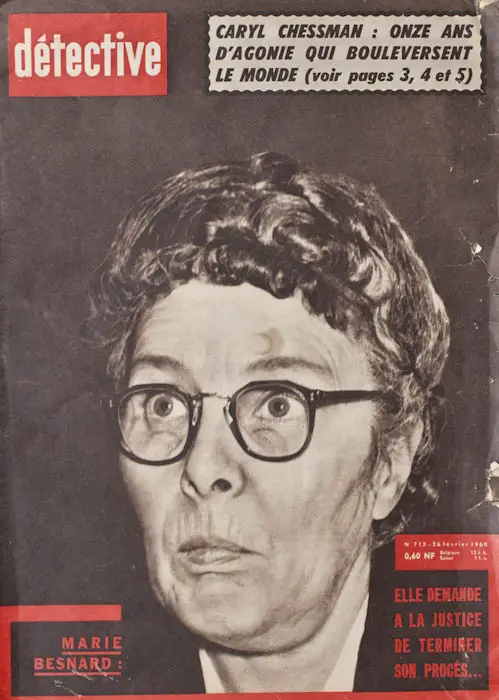
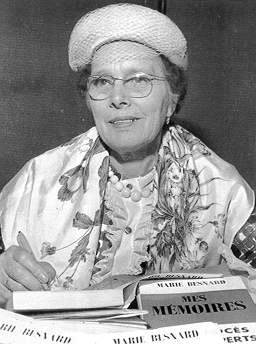
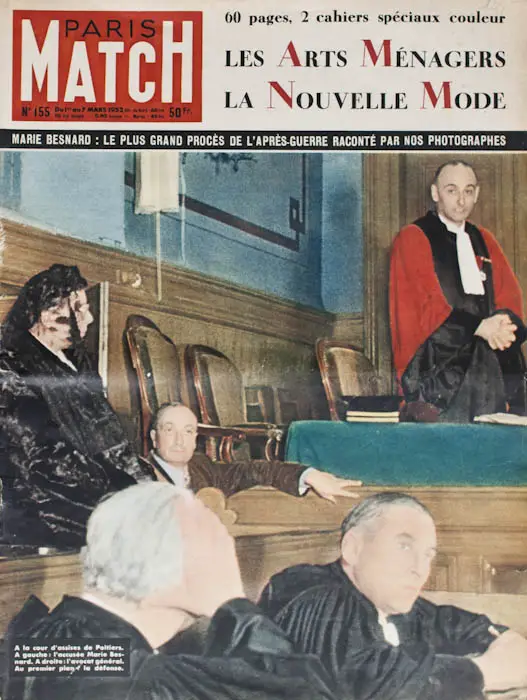
| Full Legal Name | Marie Joséphine Philippine Davaillaud Besnard. |
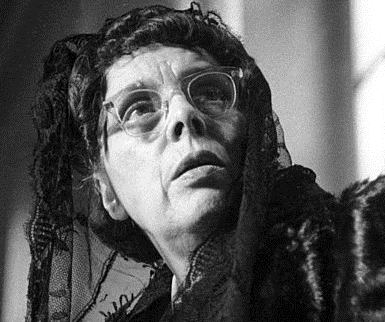
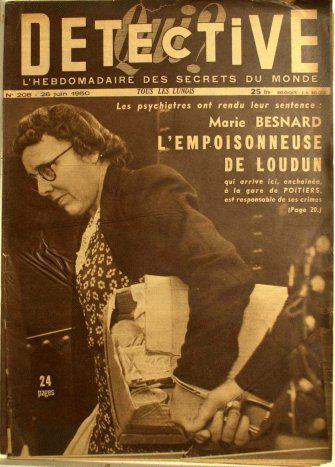
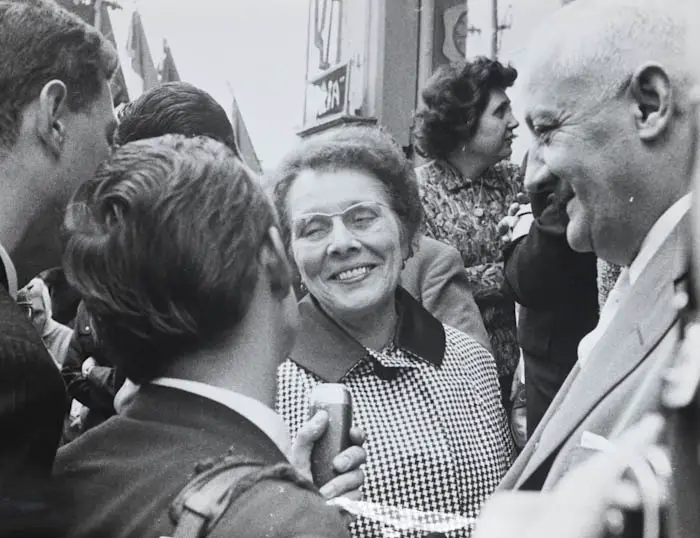
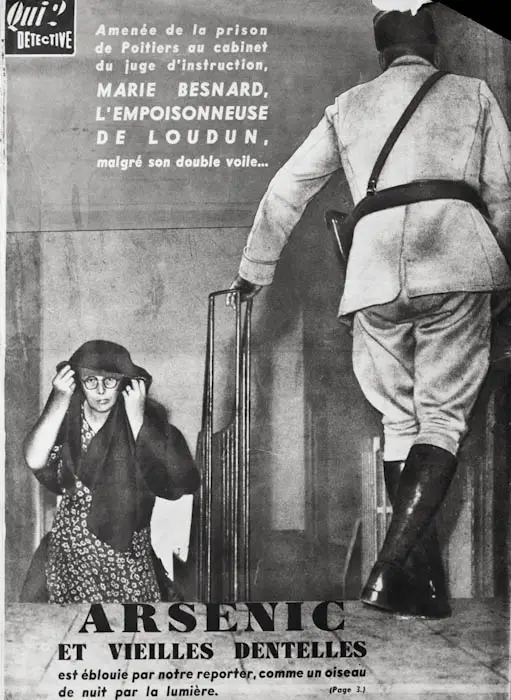
| Historic Moniker | The Good Lady of Loudun (La Bonne Dame de Loudun) / The Queen of Poisoners. |
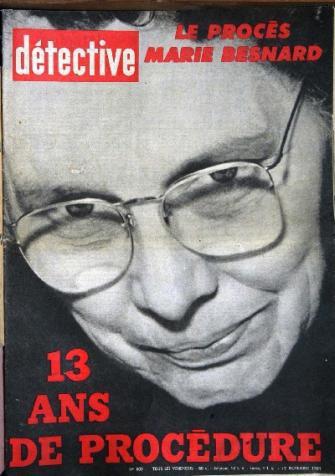
| Medico-Legal Significance | Central figure in the longest, most celebrated, and scientifically contentious forensic poisoning saga in 20th-century French legal history (1949–1961). |
| Criminological Status | Formally indicted on 12 capital counts of serial arsenic poisoning for inheritances; fully acquitted and legally exonerated of all charges. |
| Alleged Victims in Indictment | 12 relatives deceased between 1927 and 1949 (including two husbands, her mother, in-laws, and maternal cousins). |
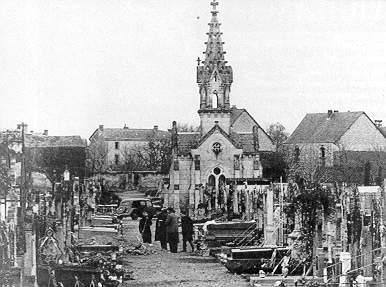
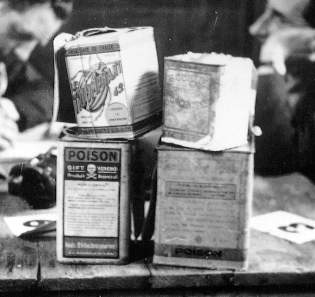
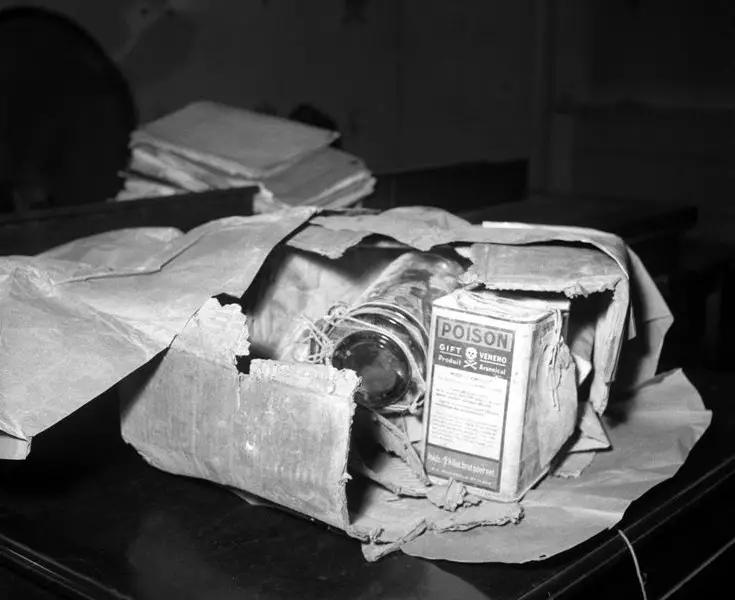
| Toxic Substance Screened | Arsenic trioxide extracted from skeletal remains in the Loudun municipal cemetery. |
| Scientific Turning Point | The landmark forensic conflict between state toxicology examiner Dr. Georges Béroud and defense specialists regarding post-mortem absorption of natural soil arsenic by decomposing bones via groundwater and bacterial leaching. |
| Final Verdict | Fully acquitted of all 12 homicide charges by the Gironde Assize Court in Bordeaux on December 12, 1961. Died of natural causes in Loudun on February 14, 1980, at age 83. |
The Fortunate Inheritor of Loudun
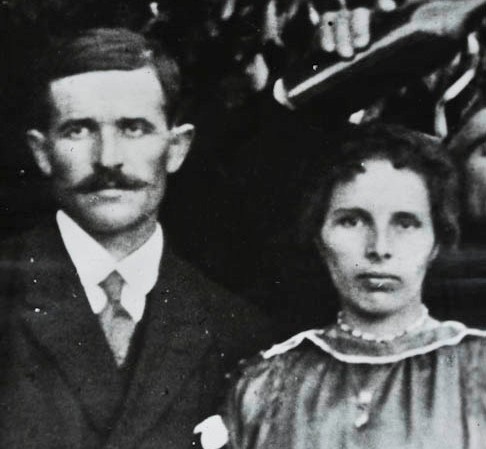
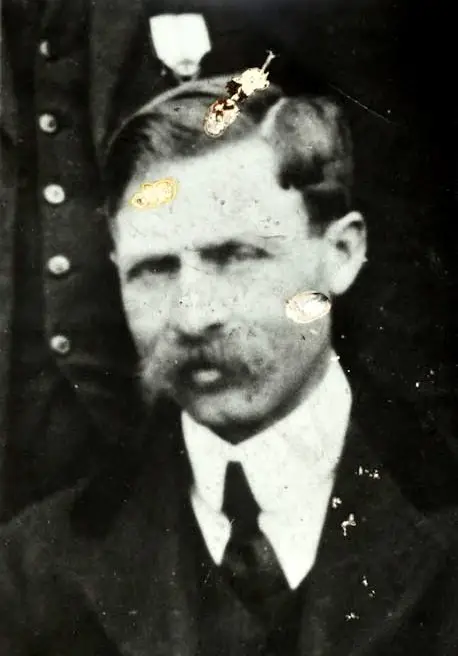
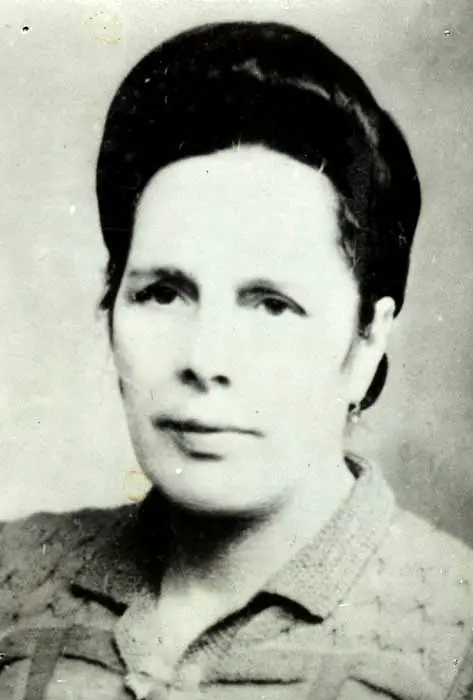
Marie Davaillaud was born in Saint-Pierre-de-Maillé on August 15, 1896. In 1920, she married Auguste Antigny, who succumbed to alleged pulmonary tuberculosis in 1927. The following year, she married Léon Besnard, a prosperous landowner from Loudun.
Over the ensuing twenty years, an extraordinary sequence of deaths occurred across both sides of the extended family: Léon's parents, two elderly wealthy aunts, cousins, and Marie's own mother died in rapid succession. Due to reciprocal wills executed in her favor, Marie Besnard accumulated an immense agricultural and real estate fortune, emerging as one of the wealthiest landowners in the region.
The 1949 Denunciation and Exhumations
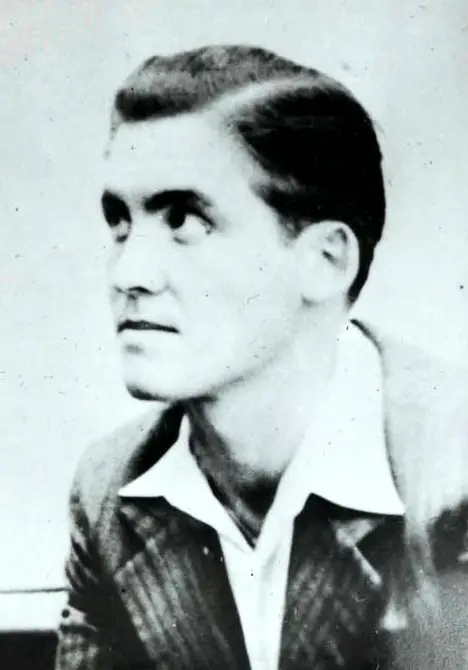
In July 1947, Léon Besnard died following acute gastrointestinal distress. On his deathbed, he reportedly confided to a neighbor, Madame Pintou, that his wife had poisoned his soup after discovering his extramarital affair with a village postmistress.
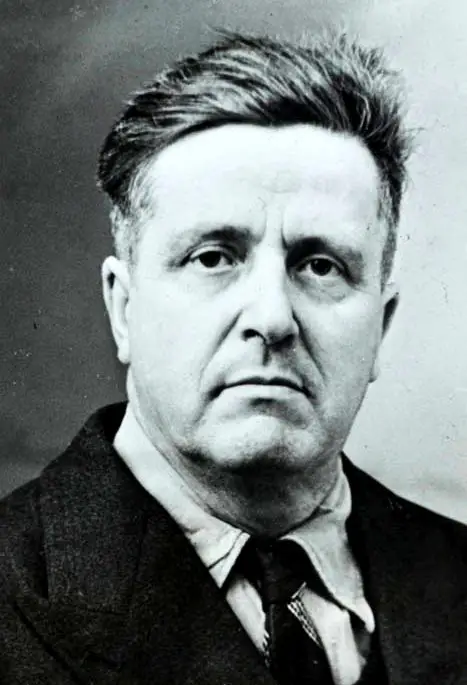
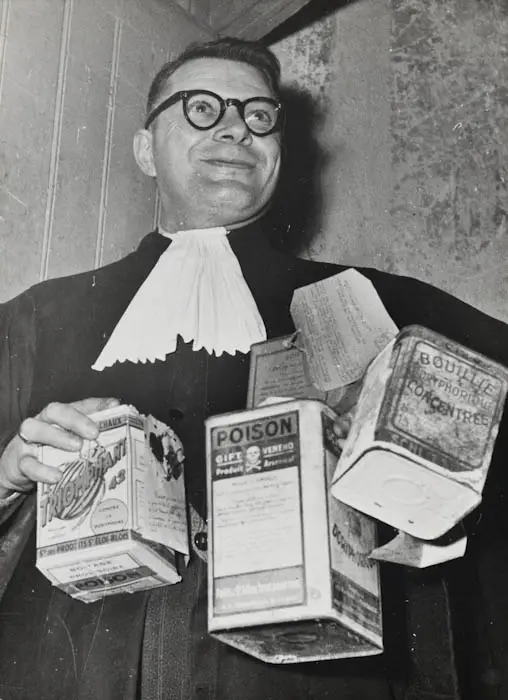
In May 1949, a formal inquiry commenced. Marseille state toxicologist Dr. Georges Béroud autopsied Léon Besnard's remains, detecting a lethal concentration of 19.45 mg of arsenic trioxide.
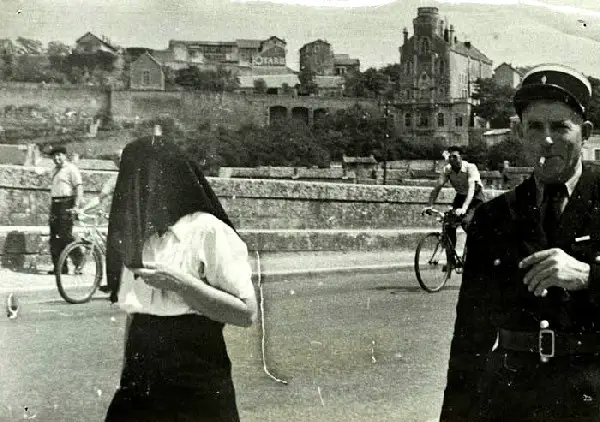
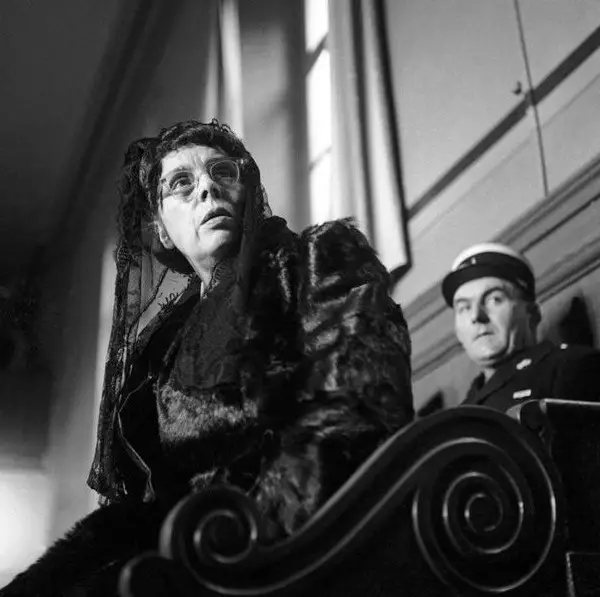
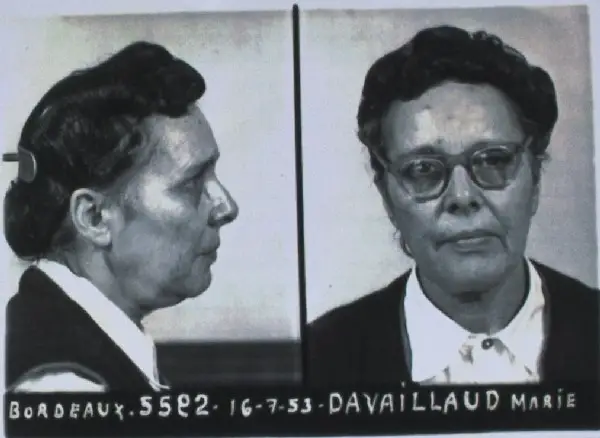
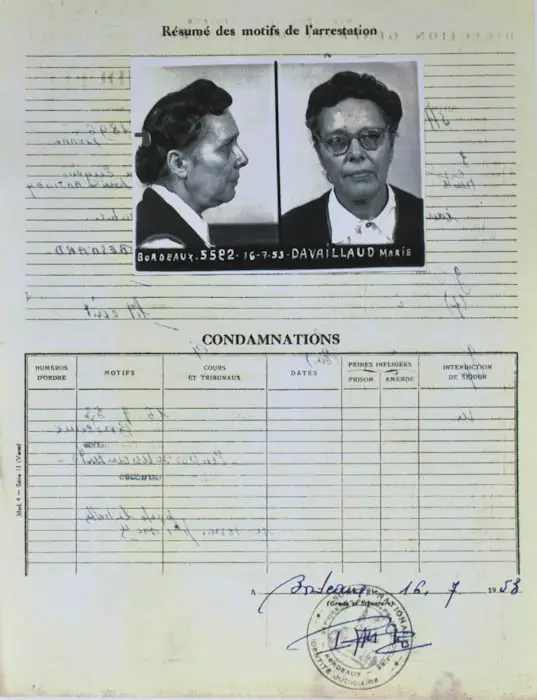
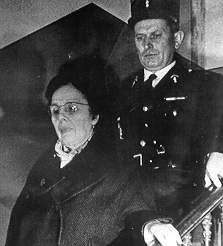
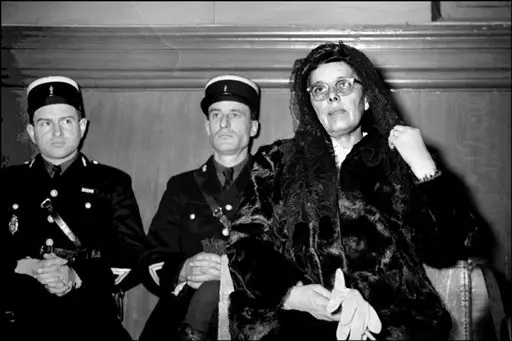
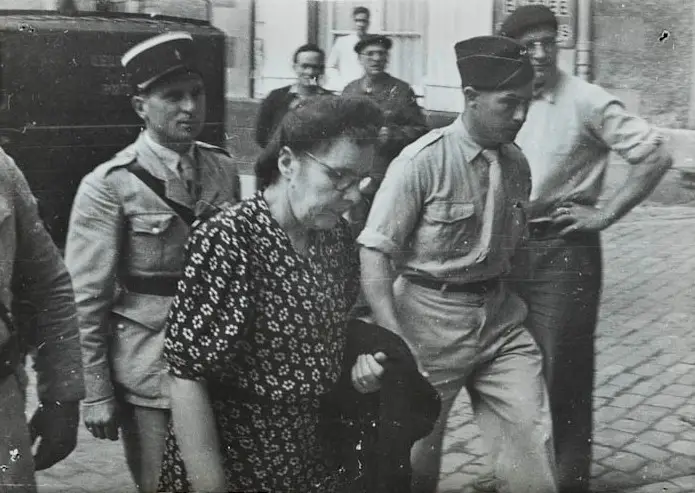
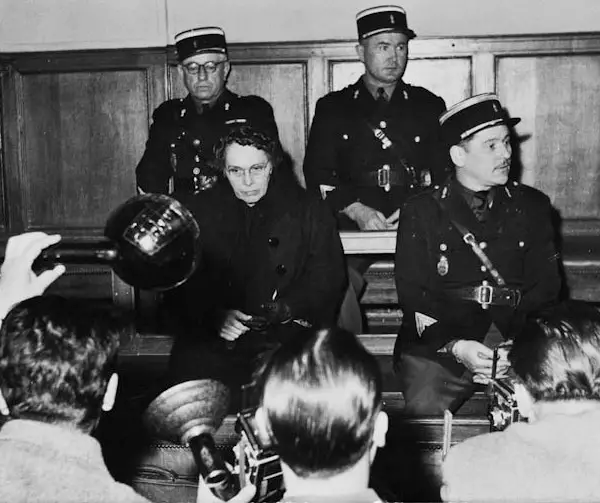
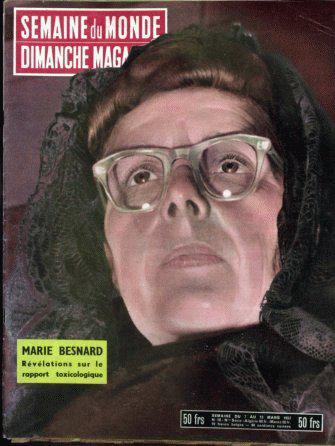
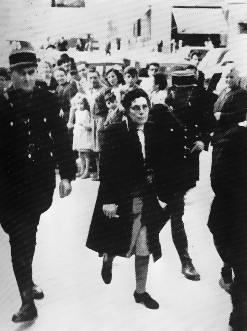
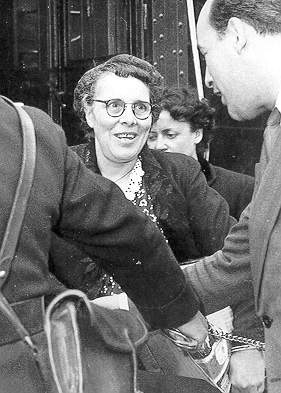
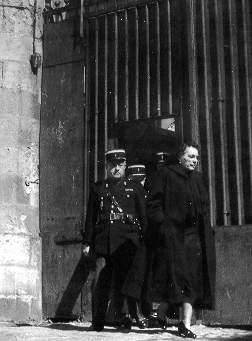
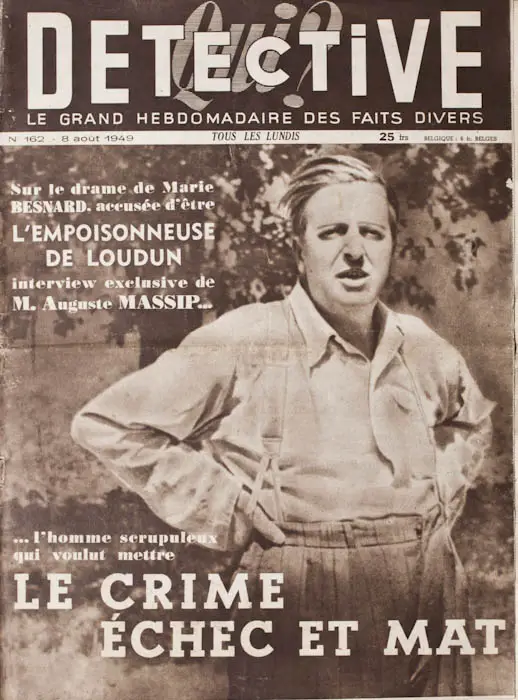
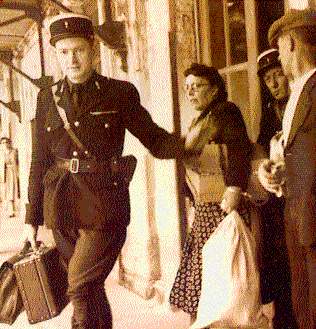
Magistrates ordered the exhumation of twelve additional relatives buried in the Loudun cemetery. Dr. Béroud reported astronomical concentrations of arsenic in nearly every specimen. On July 21, 1949, Marie Besnard was arrested and charged with twelve counts of first-degree premeditated murder, sensationalized internationally as "The Poisoner of the Century".
The War of the Experts (1952–1961)
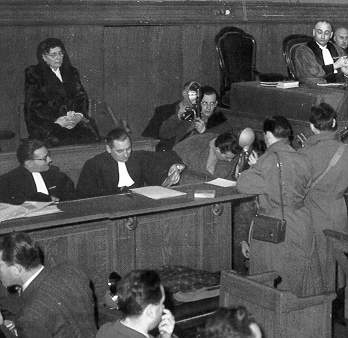
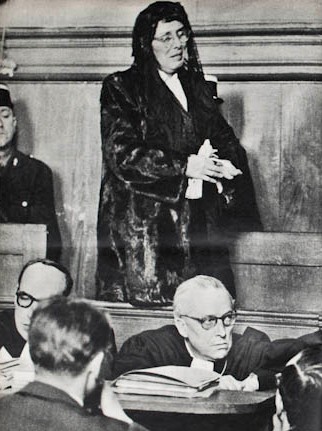
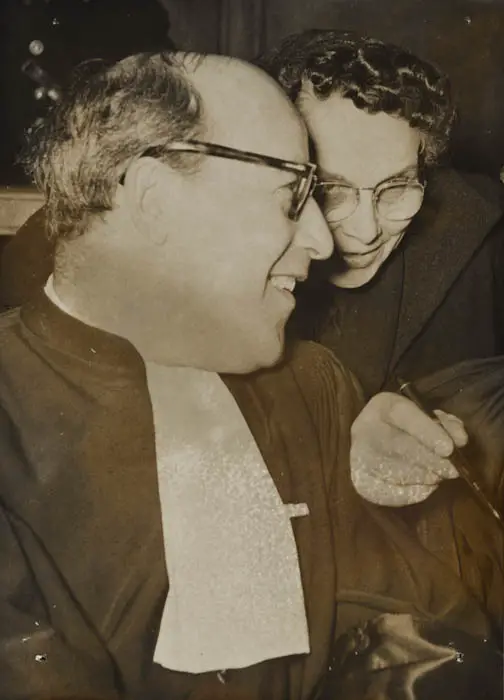
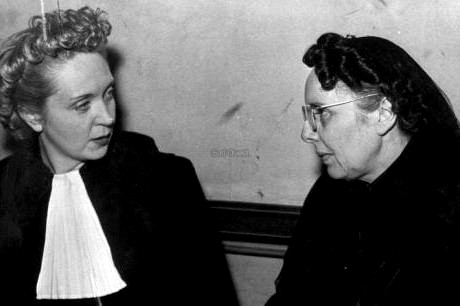
At the initial 1952 trial in Poitiers, defense counsel Albert Gautrat and René Hayot thoroughly destroyed Dr. Béroud's credibility on cross-examination, forcing him to admit that he had mistaken sulfur crystals for arsenic under the lens. Proceedings were halted for independent reviews.
At the second trial in Bordeaux in 1954, defense teams introduced prominent academic authorities, including associates of Nobel laureate Frédéric Joliot-Curie. They articulated the landmark theory of post-mortem arsenization from cemetery soil. They established that the damp, clay-rich earth of Loudun was naturally saturated with mineral and pesticide arsenic, and that anaerobic microbes and rainwater runoff had leached arsenic directly into the bones inside decayed wooden coffins.
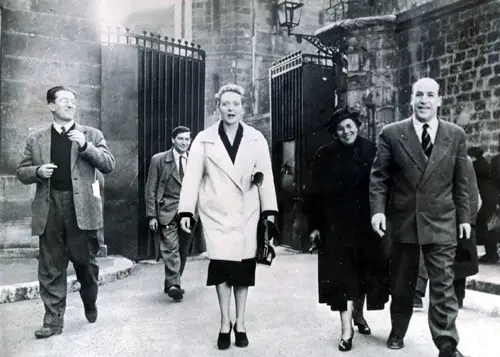
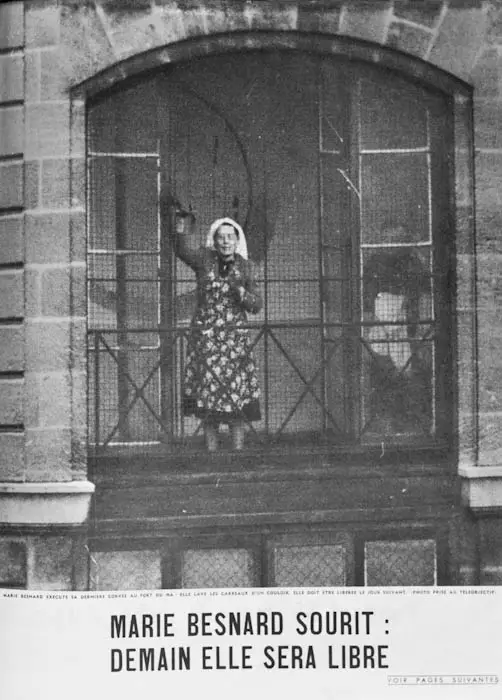
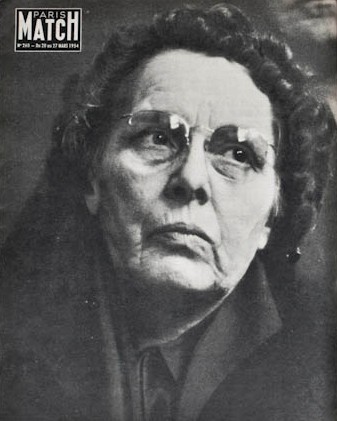
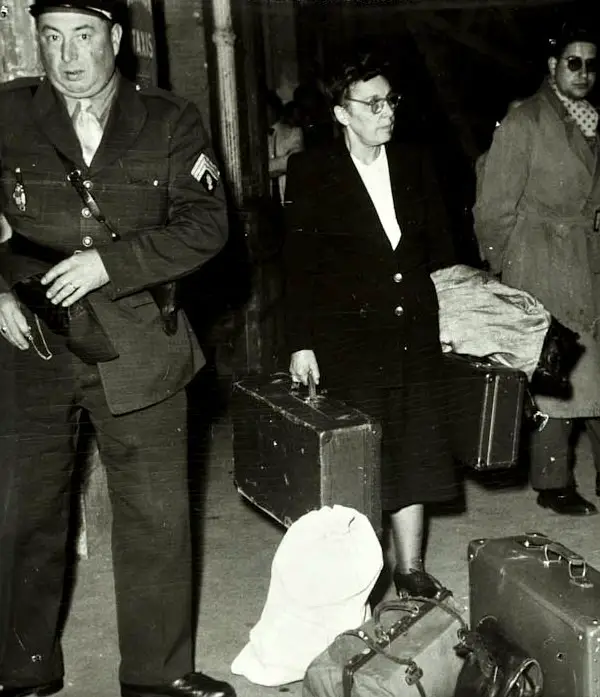
In 1954, after five years in pretrial detention, Besnard was released on bail while nuclear activation analysis was conducted.
Triumphant 1961 Acquittal
The third and final trial opened in Bordeaux in November 1961. Weeks of intense scientific testimony demonstrated that the state's forensic models could not distinguish between ingested lethal arsenic and post-mortem geological contamination.
Conceding that reasonable doubt was scientifically insurmountable, prosecutors retreated. On December 12, 1961, the jury returned a verdict of Total Acquittal on all counts.
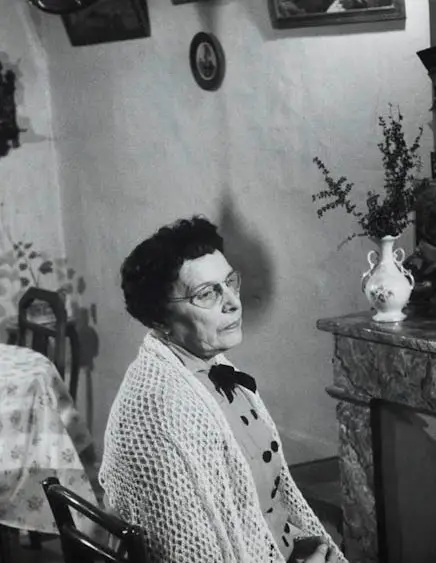
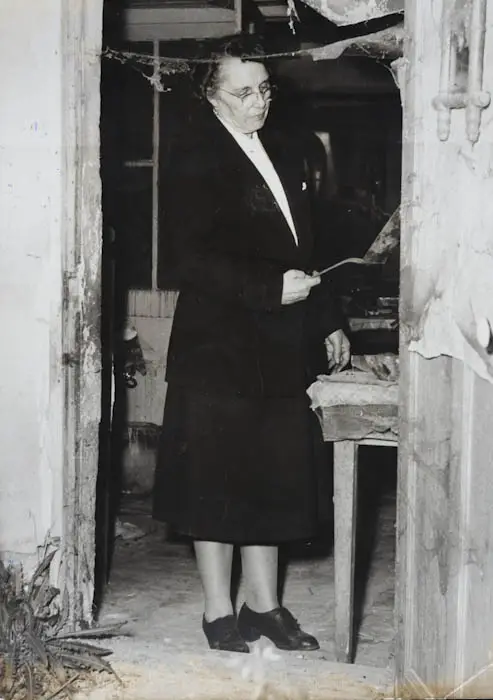
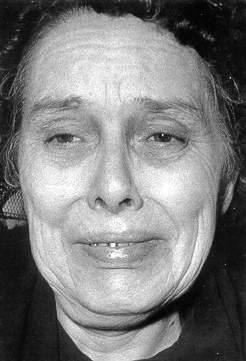
Marie Besnard returned to her quiet life in Loudun, where she lived peacefully until her death on February 14, 1980, at age 83, bequeathing her body to medical anatomy research. The Besnard affair remains the defining paradigm of the "battle of the forensic experts" in international legal scholarship.