



Dorothea Puente: «The Death House Landlady», the F Street Backyard Cemetery, and the Flurazepam Poisoning Inquest
Executive Summary
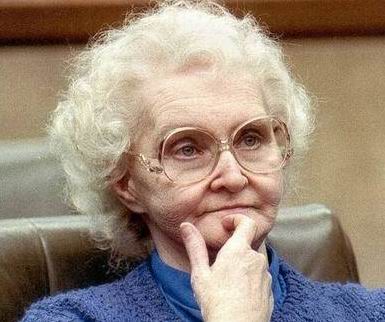
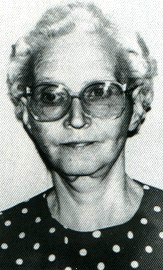
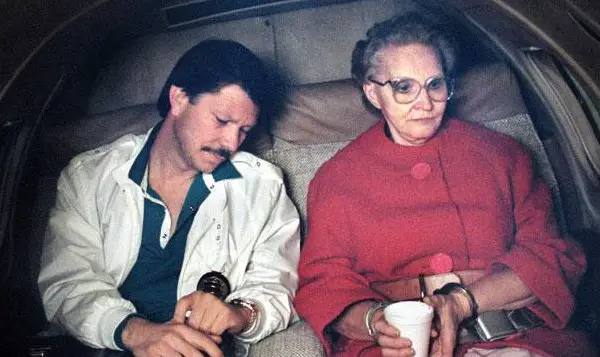
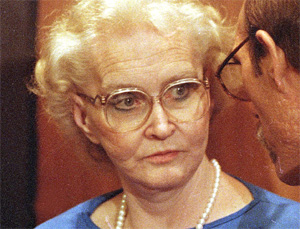
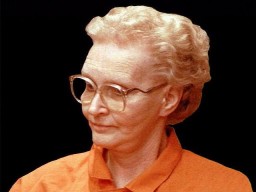
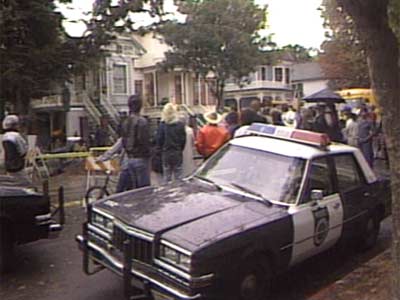
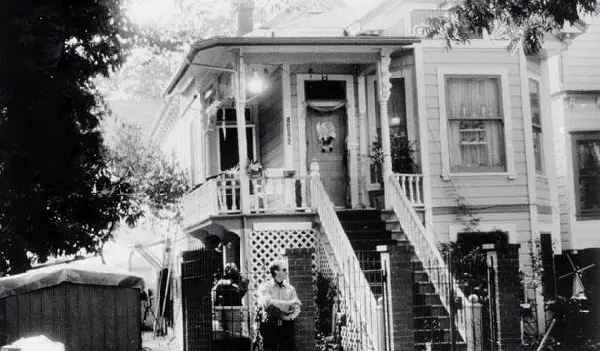
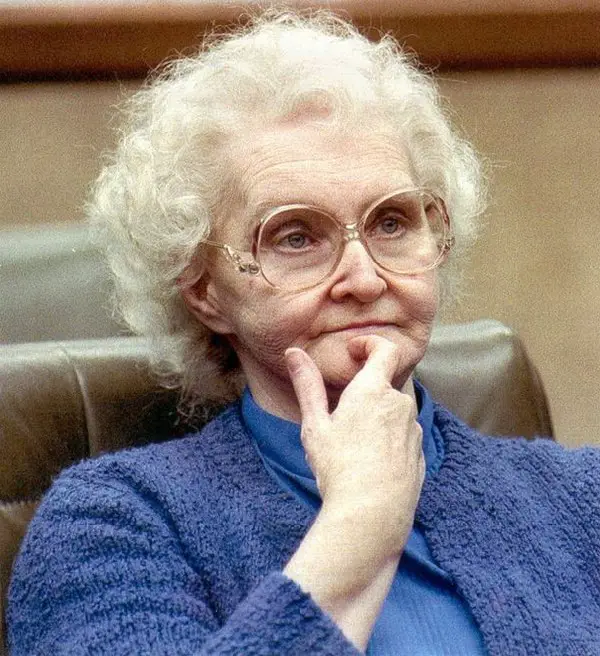
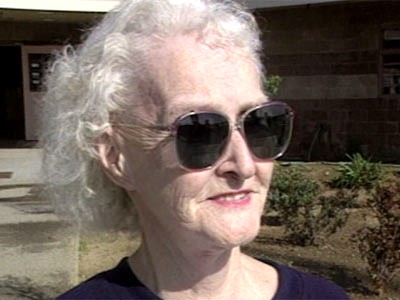
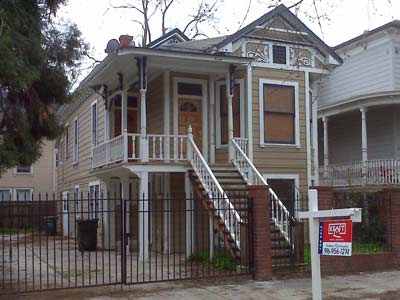
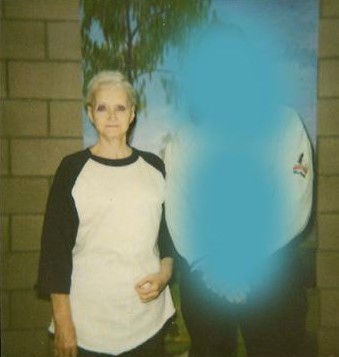
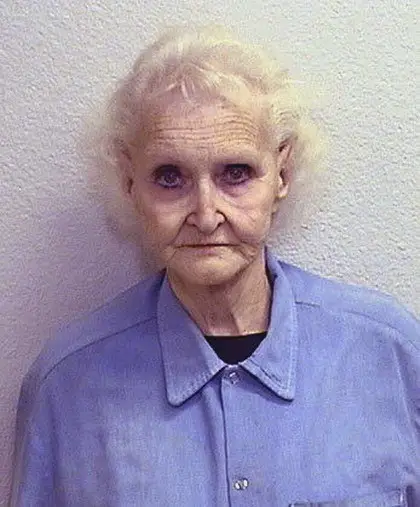
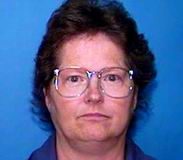
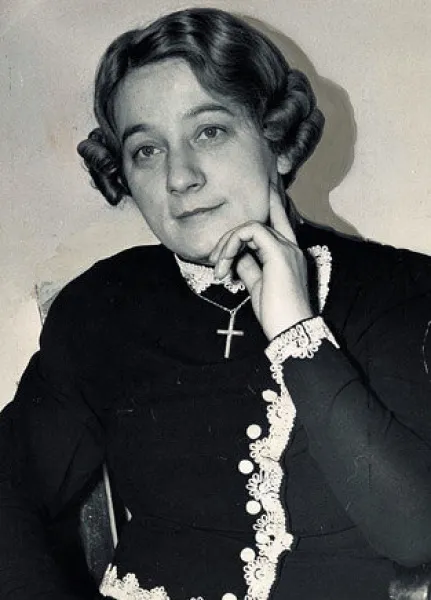
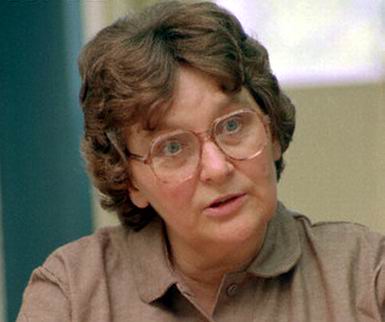
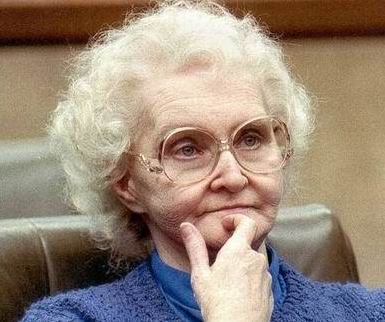
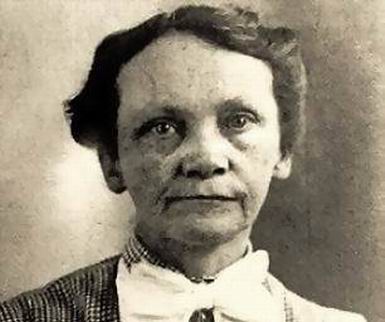
Dorothea Helen Puente (born Gray; January 9, 1929, in Redlands, California; died March 27, 2011, in Chowchilla, California), known throughout American true crime history as «The Death House Landlady» or «The Sacramento Boarding House Killer», was a notorious predatory serial killer who orchestrated one of the most chilling economic-homicide schemes in California history. During the 1980s, Puente operated an unlicensed boarding house for vulnerable, disabled, elderly, and mentally ill individuals receiving federal assistance at 1426 F Street in downtown Sacramento.
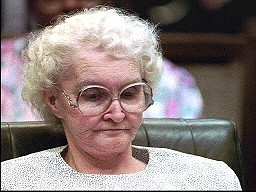
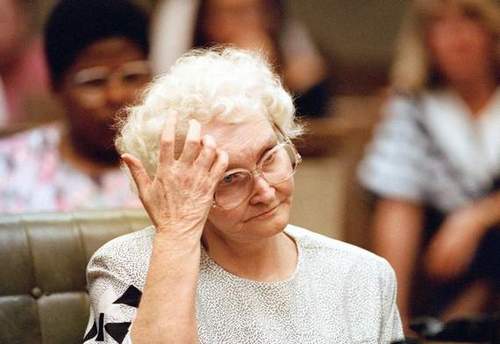
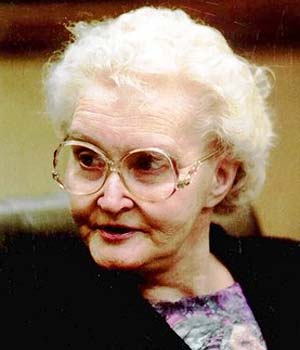
Projecting an immaculate public persona as a benevolent, grandmotherly caregiver sporting spectacles and floral dresses who served meals to local charities, Puente concealed a ruthless homicidal enterprise:
- She systematically spiked her tenants' meals, stews, and beverages with fatal doses of prescription sedatives and sleeping medication — specifically flurazepam (Dalmane).
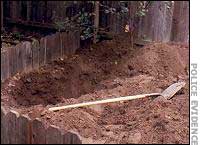
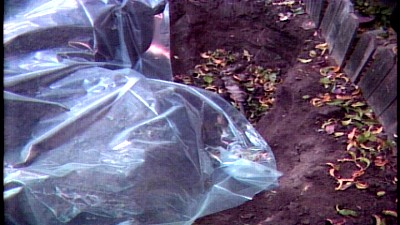
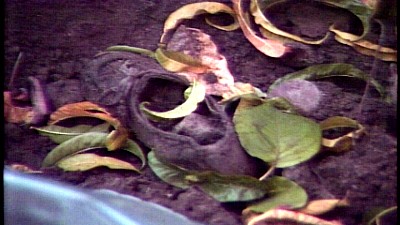
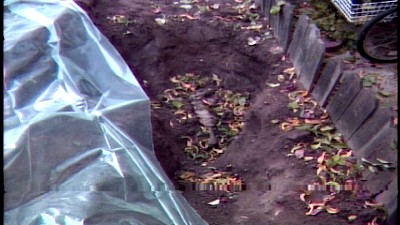
- Once the incapacitated victims lapsed into comas or succumbed to respiratory arrest, Puente wrapped their corpses in bedsheets and duct tape, secretly burying them in the manicured flowerbeds of her backyard garden among rose bushes and tomato plants.
- Following their homicides, she forged the dead tenants' signatures to divert their monthly Social Security and Supplemental Security Income (SSI) checks into her private accounts, pocketing upwards of $5,000 each month.
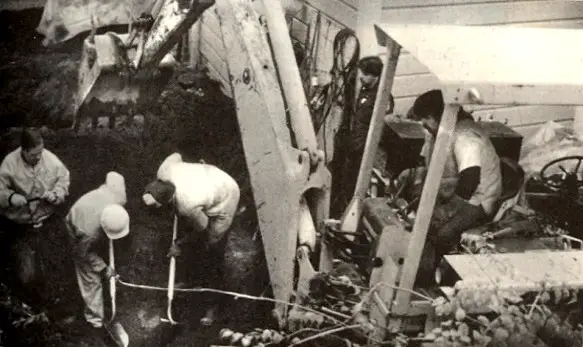
Her horrific operation disintegrated on November 11, 1988, when social worker Judy Moise's report regarding the disappearance of developmentally disabled tenant Alvaro Montoya led Sacramento Police detectives to dig in her backyard, unearthing the decaying remains of seven elderly victims. Following a brief flight to Los Angeles, Puente was arrested and prosecuted in a sensational 1993 trial. Convicted of three counts of first-degree murder (with a deadlocked jury on six other counts), she received two consecutive life sentences without parole, dying in the Central California Women's Facility in March 2011 at age 82.
Forensic Technical Matrix
| Parameter | Forensic Detail |
|---|---|
| Legal Identity | Dorothea Helen Gray (aliases: Johansson, McFaul, Montalvo, Puente) |
| Public Name | Dorothea Puente |
| Criminological Aliases | «The Death House Landlady», «The Sacramento Boarding House Killer» |
| Date of Birth | January 9, 1929 (Redlands, San Bernardino County, California, USA) |
| Date of Death | March 27, 2011 (Central California Women's Facility, Chowchilla, CA; age 82) |
| Vital & Legal Status | Deceased while serving consecutive Life Without Parole sentences (LWOP / Deceased) |
| Criminological Classification | Utilitarian predatory serial killer / Poisoner operating boarding home for social security fraud |
| Confirmed Fatal Victims | 9 attributed murders (Ruth Monroe, Leona Carpenter, Alvaro Montoya, Dorothy Miller, Benjamin Fink, James Gallop, Vera Faye Martin, Everson Gillmouth) |
| Exhumed Backyard Victims | 7 bodies exhumed from 1426 F Street garden |
| Primary Modus Operandi | Flurazepam poisoning in foods/drinks; mechanical suffocation and clandestine yard burial for benefit check theft |
| Primary Motive | Systemic economic parasitism and monthly government benefit embezzlement |
| Geographic Scene | 1426 F Street residential boarding house, Sacramento, California, USA |
| Investigative Agency | Sacramento Police Department (Detective John Cabrera) |
| Trial Court | Monterey County Superior Court (Salinas, California; venue change), Judge Michael Virga |
| Final Sentence | Two consecutive life terms without possibility of parole (LWOP) |
| Custodial Facility | Central California Women's Facility (CCWF, Chowchilla, Madera County, California) |
Early Background, Criminal Forgeries, and 1426 F Street (1929–1982)
Dorothea Gray's early life was marked by poverty, parental death, and institutionalization:
- Orphaned in childhood following her father's death from tuberculosis and her mother's death in a motor accident, she lived in foster homes and orphanages.
- In early adulthood, she adopted multiple aliases, amassing prior convictions for operating a brothel, check forgery, document fraud, and drugging elderly victims to steal their jewelry (serving three years in state prison and receiving a court order barring her from boarding house management).
- Defying legal restrictions, in 1982 Puente leased a spacious two-story Victorian home at 1426 F Street in downtown Sacramento:
- She ingratiated herself with municipal social workers and outreach ministries by accepting «difficult placements»—chronically homeless, alcoholic, or mentally ill individuals rejected by standard shelters.
- She required tenants to sign over their SSI disability checks, claiming she would manage their room, board, and personal allowances.
Poisoning Mechanics and Yard Burials (1982–1988)
Between 1982 and 1988, numerous tenants vanished without notification:
- Ruth Monroe (1982): A business partner who died shortly after moving in. The coroner found massive levels of codeine and flurazepam, initially ruling it a probable suicide based on Puente's false claims of depression.
- Everson Gillmouth (1985): A 77-year-old pensioner who courted Puente by mail. After moving in, Gillmouth disappeared; on January 1, 1986, fishermen found a sealed wooden box along the Sacramento River containing his mummified body.
- Flurazepam in Food and Drink: In the F Street kitchen, Puente pulverized flurazepam (brand name Dalmane, a potent benzodiazepine sedative) and stirred it into puddings, soups, and coffee served to troublesome or lucrative tenants.
- The Backyard Graves: Once dead, Puente wrapped the corpses in sheets, plastic trash liners, and duct tape. She hired transient laborers to dig trenches claiming she was installing drainage or sprinkler pipes, subsequently burying the victims beneath rose trellises and fruit trees.
- When caseworkers inquired, Puente smoothly asserted that the tenants had moved to Mexico or relocated with family.
Alvaro Montoya and the Excavations of November 1988
The fatal breakthrough occurred with Alvaro «Bert» Montoya (age 51), a developmentally disabled man with schizophrenia supervised by Volunteers of America:
- Social worker Judy Moise, deeply invested in Montoya's welfare, noticed his absence in early November 1988 and grew suspicious of Puente's evasive excuses.
- On November 11, 1988, Homicide Detective John Cabrera visited the property. Receiving consent to look around the yard, Cabrera noticed loose soil and fresh shovel depressions.
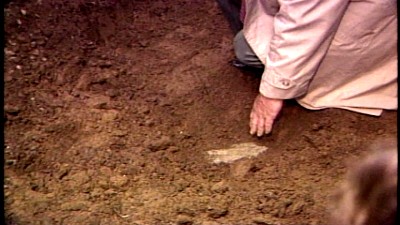
- Probing the earth with a spade, detectives uncovered human fabric wrapping a decomposed human leg bone.
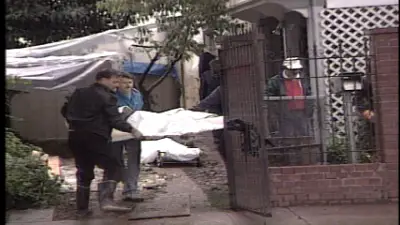
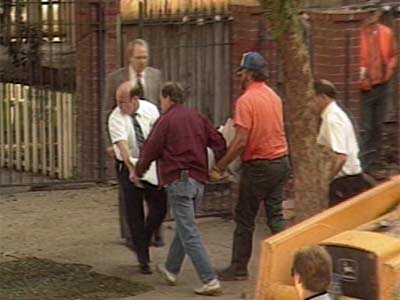
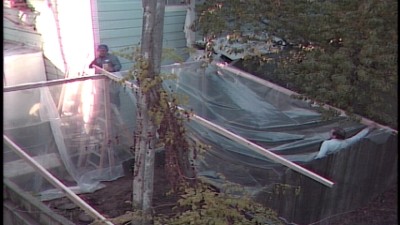
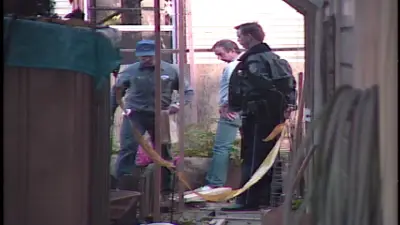
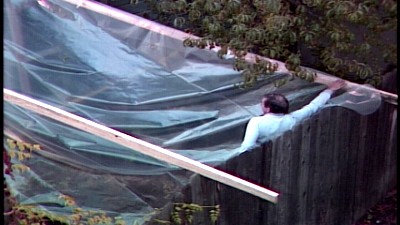
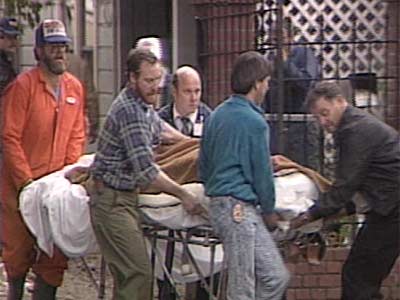
- Over the next three days, forensic archeologists and police technicians excavated the entire perimeter, unearthing seven human bodies.
Flight to Los Angeles and Capture (November 1988)
During the chaotic first day of excavations, before arrest warrants were finalized:
- Dorothea Puente politely asked detectives for permission to walk to a nearby hotel for a cup of coffee.
- Instead, she caught a taxi to Stockton and boarded a Greyhound bus to Los Angeles, checking into the Royal Viking Motel under an alias.
- At the motel lounge, she befriended pensioner Charles Willgues, inquiring about his financial assets and disability pensions.
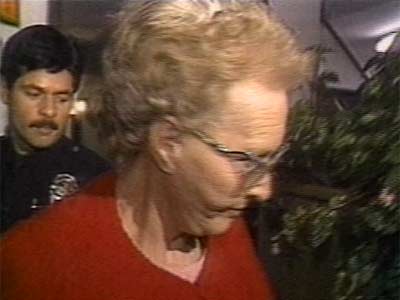
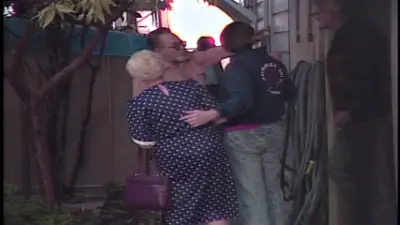
- Recognizing her from television news broadcasts, Willgues alerted the LAPD, who arrested Puente on November 17, 1988.
Trial, Verdict, and Imprisonment in Chowchilla
Due to saturated publicity in Sacramento, the trial was transferred to the Monterey County Superior Court in Salinas:
- Prosecutor Kevin McCormick presented definitive toxicology evidence: all exhumed remains revealed lethal concentrations of flurazepam in preserved bone and liver tissues.
- The defense argued that the vulnerable tenants died of natural causes and that Puente merely buried them out of panic to preserve their checks.
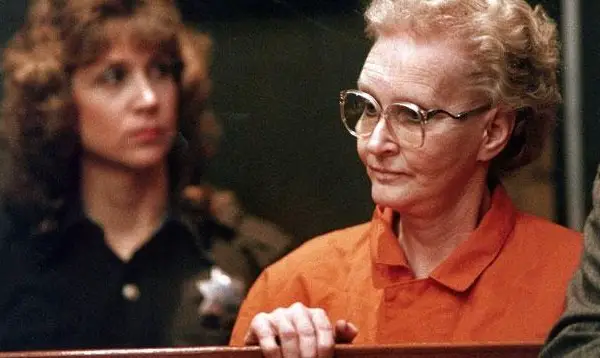
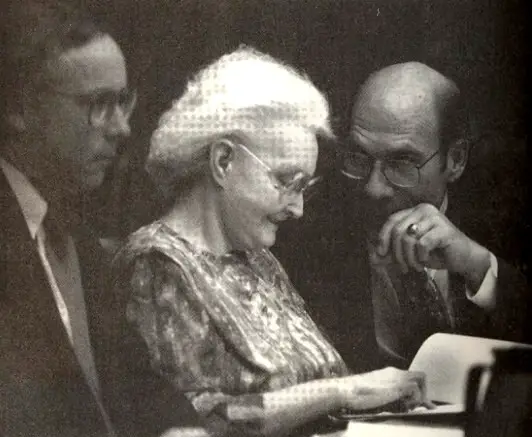
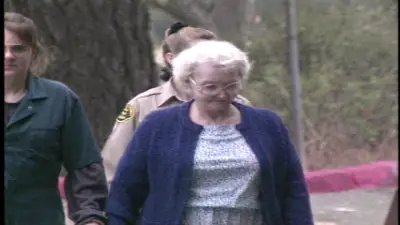
- In 1993, the jury convicted Dorothea Puente of three counts of first-degree murder (Leona Carpenter, Alvaro Montoya, Dorothy Miller), deadlocking 11-1 on six other homicides.
- Judge Michael Virga sentenced her to two consecutive life sentences without parole.
- Puente served her sentence at the Central California Women's Facility in Chowchilla, insisting on her innocence until her death from natural causes on March 27, 2011, at age 82.