



Forensic & Criminological Matrix
| Parameter | Forensic Detail |
|---|---|
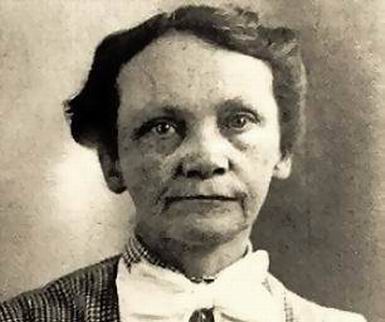
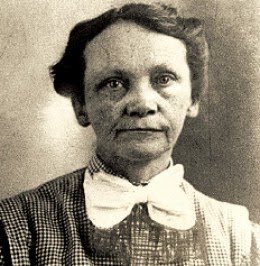
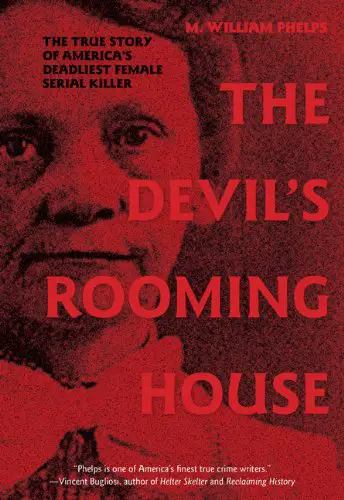
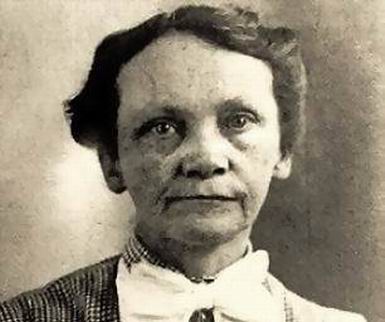
| Full Legal Name | Amy E. Duggan Archer-Gilligan |
| Historical & Media Monikers | The Proprietress of the House of Death, Sister Amy, The Real-Life Arsenic and Old Lace Killer |
| Nationality | United States |
| Date of Birth | October 31, 1873, Milton, Connecticut |
| Date of Death | April 23, 1962 (aged 88) |
| Place of Death | Connecticut Valley Hospital (formerly Connecticut Hospital for the Insane), Middletown |
| Operational Base | Archer Home for Elderly and Indigent People, Windsor, Connecticut |
| Confirmed Toxicological Homicides | 5 confirmed by forensic post-mortem exhumation (Franklin R. Andrews, Michael W. Gilligan, Alice Gowdy, etc.) |
| Suspected Serial Murders | Between 48 and 60 elder residents dying under her care between 1907 and 1916 |
| Lethal Chemical Agents | Arsenic trioxide and strychnine purchased in massive bulk quantities from local apothecaries |
| Modus Operandi | Food adulteration (laced broths, tea, puddings) following execution of lifetime care contracts ($1,000 upfront) or fraudulent wills |
| Sentencing History | Sentenced to hang in 1917; retried on appeal and pleaded guilty to second-degree murder (life imprisonment) in 1919; committed as criminally insane in 1924 |
| Cultural Legacy | The direct historical inspiration for Joseph Kesselring's stage masterpiece and Frank Capra’s classic 1944 film Arsenic and Old Lace |
Inception of the Archer Home
Amy E. Duggan was born in Connecticut in 1873. Marrying James Archer in 1897, the couple entered elder care philanthropy in 1901, establishing a small rest facility in Newington before purchasing an expansive Victorian estate in Windsor, Connecticut: the Archer Home for Elderly and Indigent People.
The establishment catered to vulnerable senior citizens, offering weekly boarding terms or a "lifetime care agreement". Under this contract, elderly lodgers paid a substantial flat lump sum (typically $1,000, equivalent to substantial savings in that era) in exchange for room, board, nursing, and burial costs for the remainder of their natural lives.
In 1910, husband James Archer abruptly died from violent gastrointestinal collapse; Amy collected a $5,000 life insurance policy.
In 1913, Amy wed Michael W. Gilligan, a wealthy widower with four adult children. Barely three months into the marriage, Gilligan suffered sudden abdominal agony and died. An eleventh-hour handwritten will surfaced, entirely disinheriting Gilligan’s biological children and leaving his entire estate to Amy.
The Windsor Care Home Mortality Rate
Between 1907 and 1916, mortality rates inside the Archer Home soared beyond historical epidemiological norms:
- Within a private rest facility housing an average of fourteen residents, sixty recorded deaths occurred.
- Forty-eight of these fatalities occurred between 1911 and 1916.
- A predictable forensic cycle emerged: shortly after entering into a $1,000 lifetime contract or transferring securities to Amy, elderly patients suffered sudden stomach cramps, severe purging, vomiting, and cardiovascular collapse. Attending physician Dr. Howard King signed standard death certificates listing "acute gastritis" or "senile decay".
The Investigative Expose by The Hartford Courant
The case broke following the sudden death of Franklin R. Andrews, a robust 61-year-old pensioner who performed gardening around the facility. In late May 1914, Andrews collapsed hours after eating a meal prepared by Amy and died.
His sister, Nellie Pierce, reviewed his affairs and discovered that Andrews had recently withdrawn his life savings, loaned $500 to Amy, and that his personal effects had been emptied from his room.
Met with police apathy, Pierce took her suspicions to The Hartford Courant. Reporter Carlan Beadle combed through Windsor municipal death registers, publishing a front-page series in 1916 exposing the unnatural mortality curve and revealing that Amy Archer was the single largest bulk buyer of powdered arsenic at Windsor drugstores, purchasing pounds of rat poison under the pretext of rodent infestations.
Forensic Exhumations and Toxicological Discoveries
Public outcry forced the State's Attorney Hugh M. Alcorn to launch formal investigations. Court orders authorized the exhumation of five bodies, including Michael Gilligan and Franklin Andrews.
Forensic toxicologist Dr. Arthur B. Kibbe performed chemical tissue analyses:
- Andrews's viscera and stomach contained lethal quantities of arsenic trioxide.
- Toxicological screens on Michael Gilligan and several elderly female residents confirmed fatal concentrations of both arsenic and strychnine.
Amy Archer-Gilligan was arrested on May 8, 1916, and indicted for multiple capital murders.
Trials and Psychiatric Confinement
Tried in Hartford in 1917, the defense claimed residents ingested arsenic via patent health elixirs. The State dismantled this narrative using pharmacy ledger books bearing Amy's signatures and Kibbe's pathological data.
The jury convicted her of first-degree murder in Andrews's death, and the court sentenced her to the gallows.
In 1919, the Connecticut Supreme Court of Errors granted a new trial due to procedural errors concerning evidence from uncharged deaths. At her 1919 retrial, Amy pleaded guilty to second-degree murder, receiving a life sentence.
In 1924, exhibiting advancing senile psychosis and severe persecution delusions at Wethersfield State Prison, she was declared criminally insane and transferred to the Connecticut Hospital for the Insane in Middletown, where she remained confined until her death on April 23, 1962, at age eighty-eight.
Her crimes entered popular culture when playwright Joseph Kesselring adapted her elder poisoning scheme into the Broadway comedy Arsenic and Old Lace, later immortalized in Frank Capra's 1944 film starring Cary Grant.