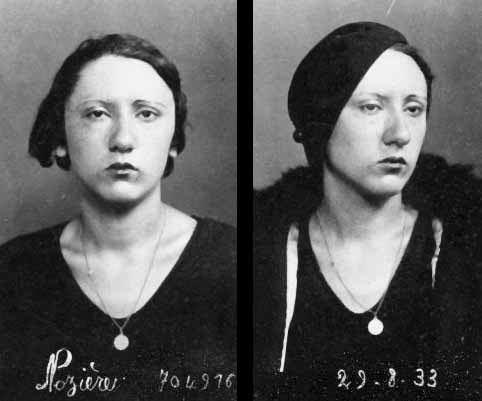




Forensic & Criminological Matrix
| Parameter | Forensic Detail |
|---|---|
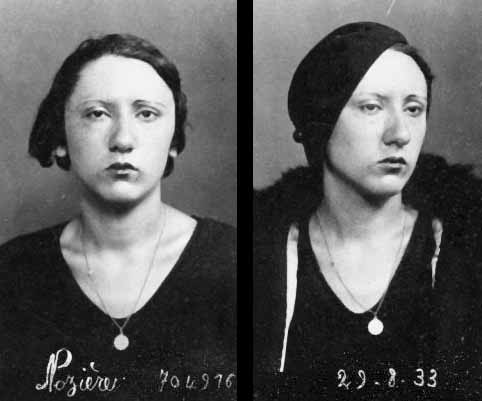
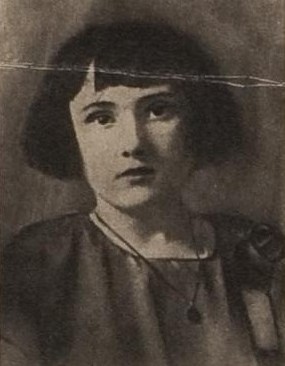
| Full Legal Birth Name | Violette Germaine Nozière |
| Press & Cultural Monikers | The Monster in Petticoats, The Boulevard Poisoner |
| Nationality | French |
| Date of Birth | January 11, 1915, Neuvy-sur-Loire, Nièvre, France |
| Date of Death | November 26, 1966 (aged 51), Le Petit-Quevilly, Seine-Maritime |
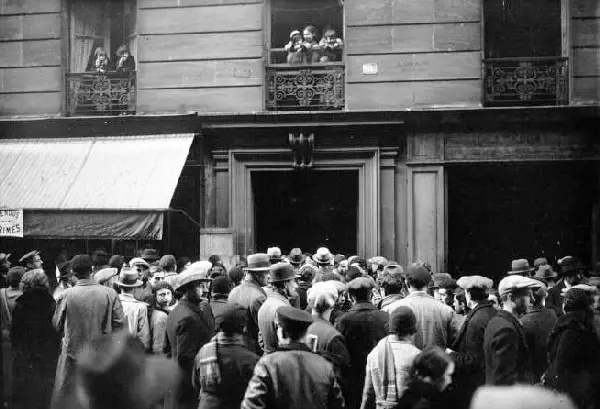
| Crime Scene | Family apartment at 9 rue de Madagascar, 12th Arrondissement, Paris |
| Date of the Crime | August 21, 1933 |
| Victims of Poisoning | Baptiste Nozière (father, aged 57, locomotive mechanic for PLM railways, deceased) and Germaine Nozière (mother, critically injured survivor) |
| Lethal Compound Employed | Soménoct (hypnotic barbiturate compound formulated from diethylmalonylurea) |
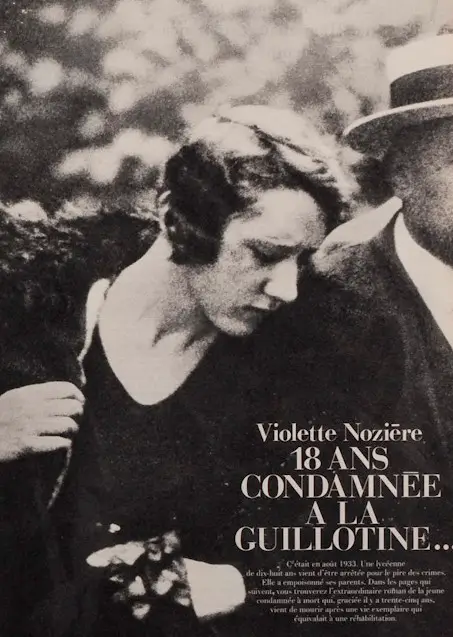
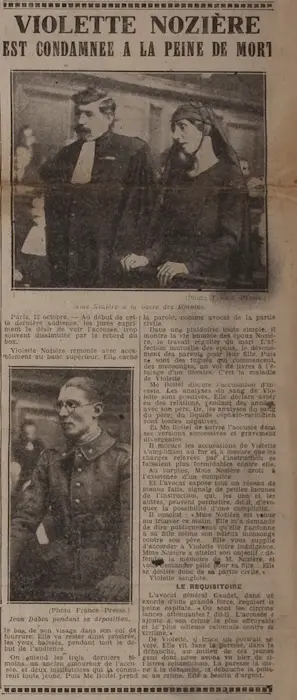
| Initial Judicial Sentence | Death by the guillotine (Seine Assize Court, October 1934) |
| Commutations & Rehabilitation | Commuted to life penal servitude (1934); reduced to 12 years (1942); freed in 1945; full judicial rehabilitation granted by French courts in 1963 |
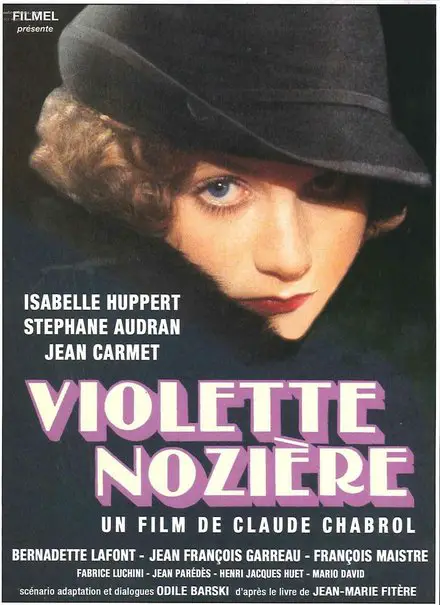
| Sociocultural Legacy | Polarizing cause célèbre adopted by French Surrealists (André Breton, Paul Éluard, Salvador Dalí); adapted to film by director Claude Chabrol |
The Double Life of Violette Nozière
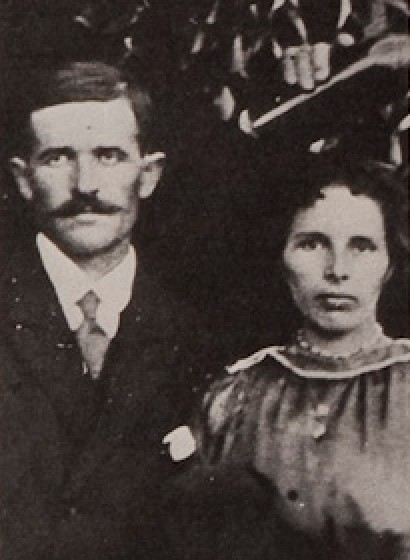
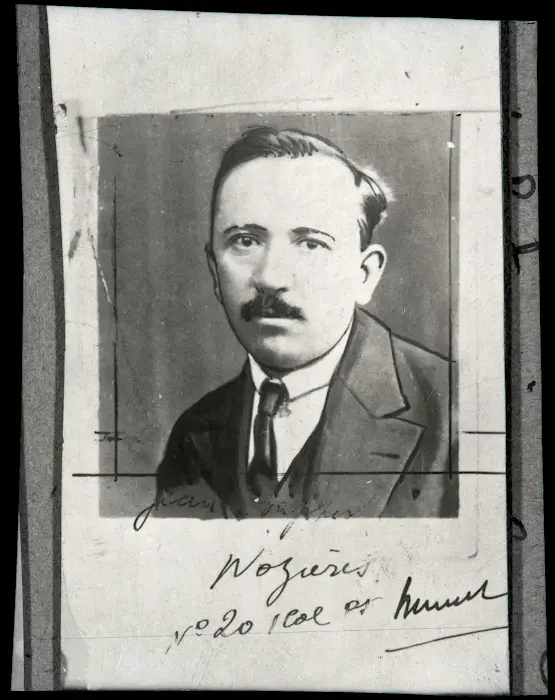
In 1930s interwar Paris, Violette Nozière lived a life of deliberate deception. To her parents—Baptiste Nozière, a respected chief locomotive engineer on the PLM railway, and Germaine, a pious petit-bourgeois homemaker—she presented herself as a studious preparatory school pupil destined for university.
In reality, Violette was leading a bohemian, nocturnal life across the Latin Quarter and Montparnasse. Skipping classes daily, she engaged in occasional prostitution to afford fashionable haute-couture dresses, perfumes, and hotel rooms. She became infatuated with Jean Dabin, an idle, self-indulgent law student. To fund Dabin's lavish tastes and gambling debts, Violette repeatedly embezzled cash from her parents' savings cabinet.
Diagnosed with syphilis in early 1933, she concealed the source of her infection by claiming to her parents that she suffered from a hereditary blood disorder inherited directly from her father.
The Parricide of August 21, 1933
In March 1933, Violette conducted a trial poisoning: she dissolved barbiturate sleeping pills in milk, convincing her parents it was a specialized preventive prescription. Both suffered heavy stupor but survived.
On August 21, 1933, she finalized her scheme. Having purchased several boxes of Soménoct (an over-the-counter barbiturate sedative) across different Paris pharmacies, she crushed dozens of pills and stirred them into hot milk and water. Urging her parents to drink the concoction before bed to cleanse their system, she watched them slip into deep barbiturate comas.
While they lay unconscious, Violette ransacked the bedroom, stealing 3,000 francs in cash. To fake an accidental catastrophe, she turned on the unlit kitchen gas valve to simulate a leak, bolted the door from outside, and met Dabin at a hotel.
The next morning, she staged a dramatic return, screaming for neighbors' assistance. Responding police and emergency crews found Baptiste dead from toxic asphyxiation; Germaine, however, was miraculously found clinging to life and rushed to Hôpital de la Charité, where doctors managed to revive her after days in intensive coma care.
Forensic Findings and Incest Allegations
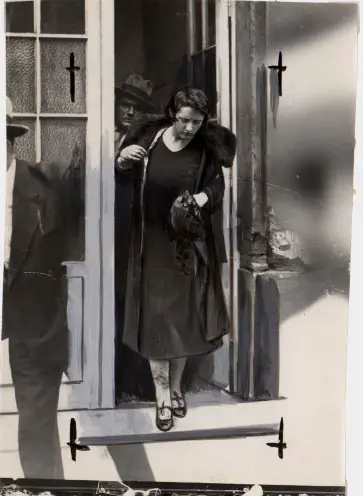
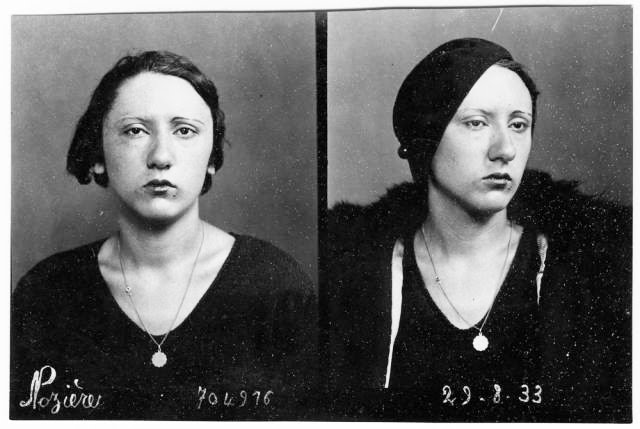
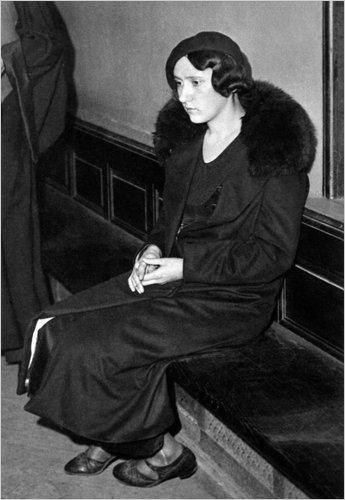
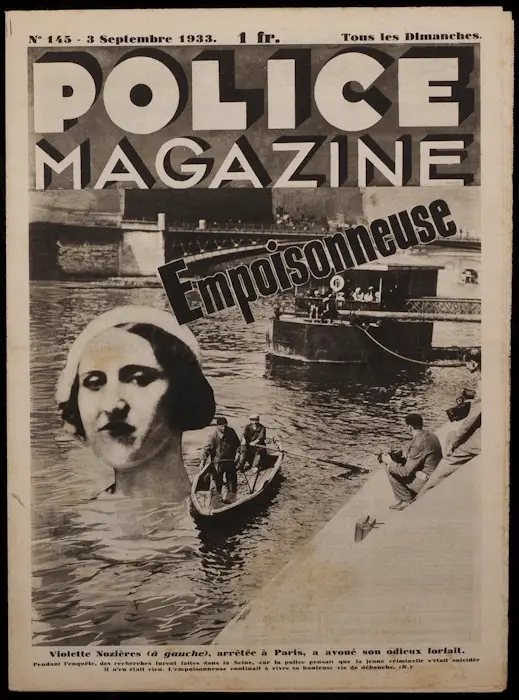
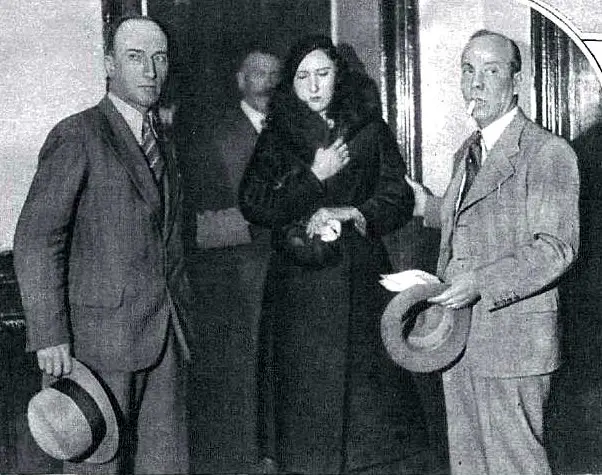
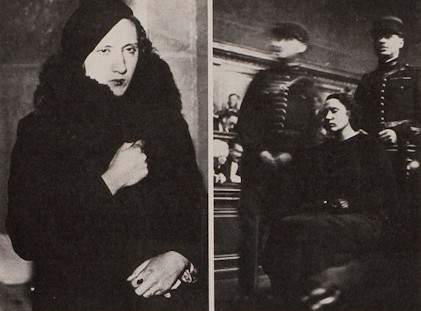
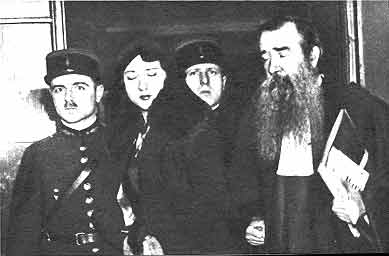
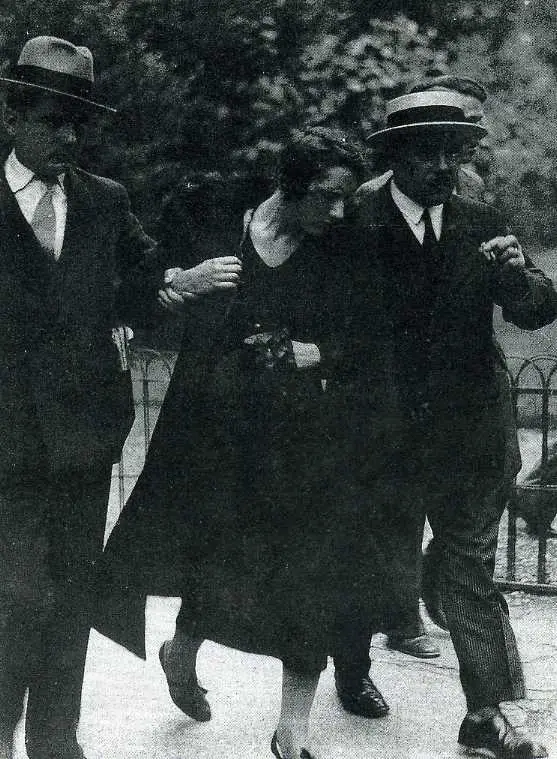
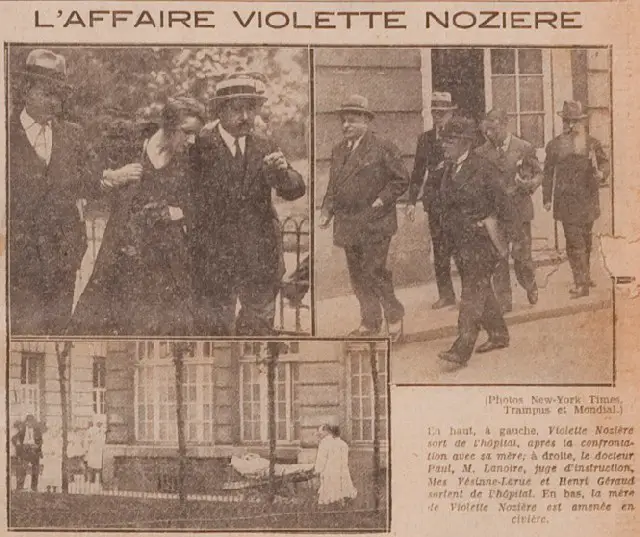
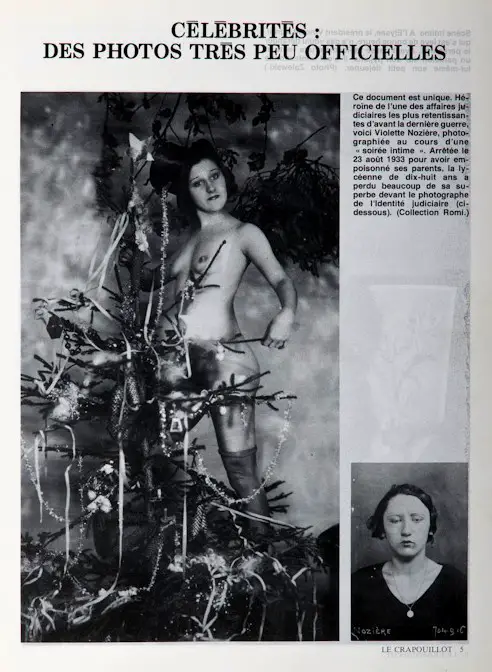
Toxicological testing quickly determined that Baptiste had not died from coal-gas poisoning, but rather from lethal overdoses of barbiturates. Violette fled into underground hiding, eluding a national police dragnet for one week before being arrested in a Paris boulevard on August 28, 1933.
Under interrogation, she admitted administering the drug, but unleashed an incendiary cultural scandal:
"My father had been sexually abusing me since I was twelve. He repeatedly raped me in our home while my mother was away. I gave him the poison to break free from his incestuous grasp and survive."
The Trial of the Century and Surrealist Defense
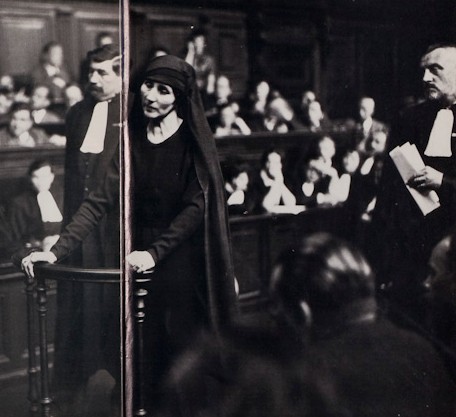
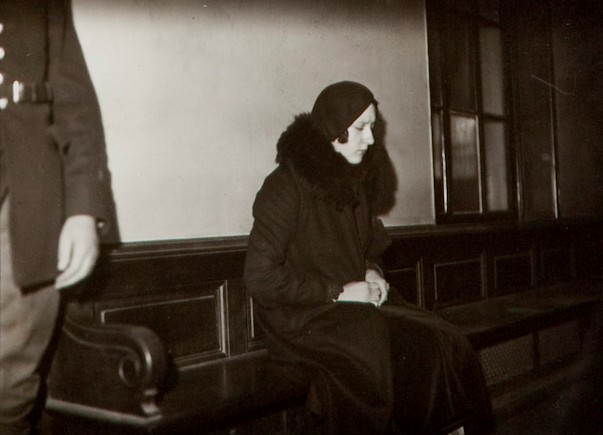
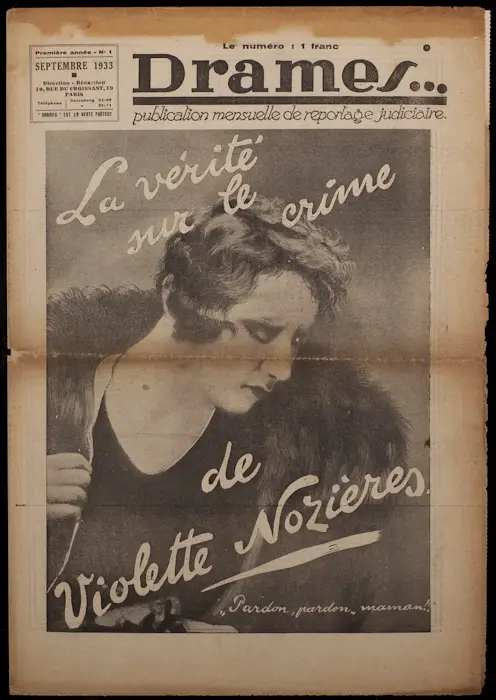
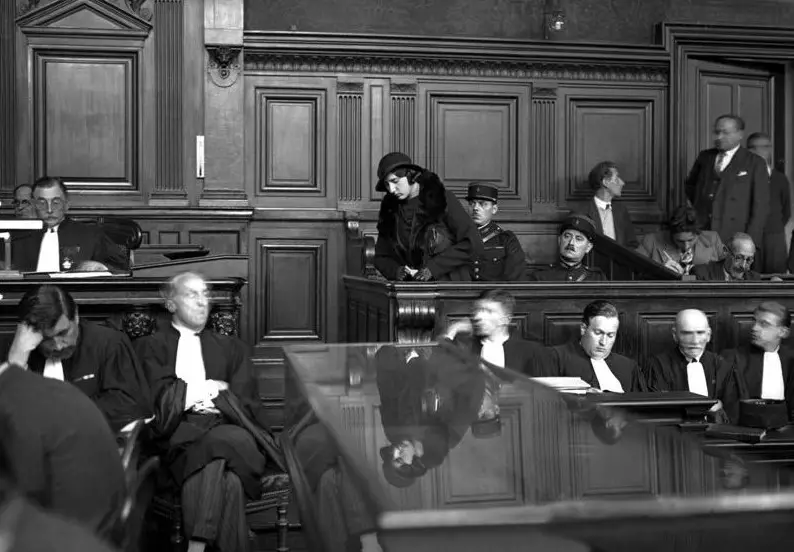
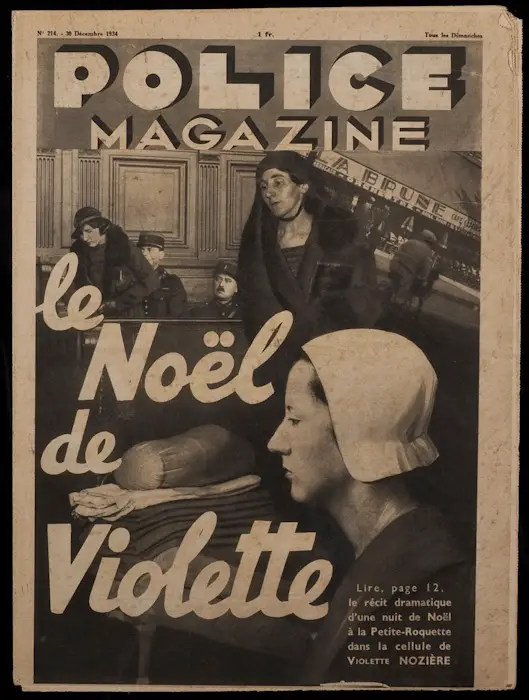
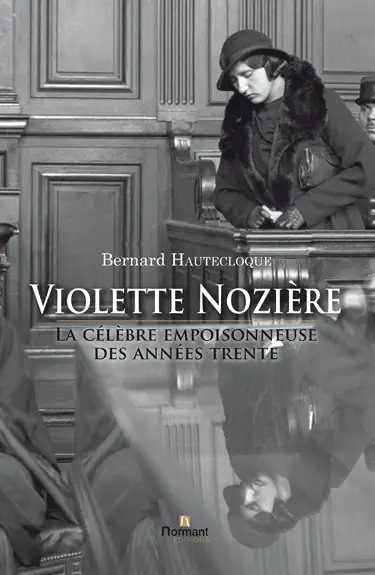
Her October 1934 trial at the Seine Assize Court gripped and deeply fractured French society. Mainstream conservative media depicted her as an unnatural patricidal fiend who defamed her deceased father. Conversely, the French Surrealist movement—led by André Breton, Paul Éluard, René Char, and Salvador Dalí—hailed her as an involuntary revolutionary against bourgeois patriarchal hypocrisy, publishing a tribute anthology (Violette Nozières, Brussels, 1933).
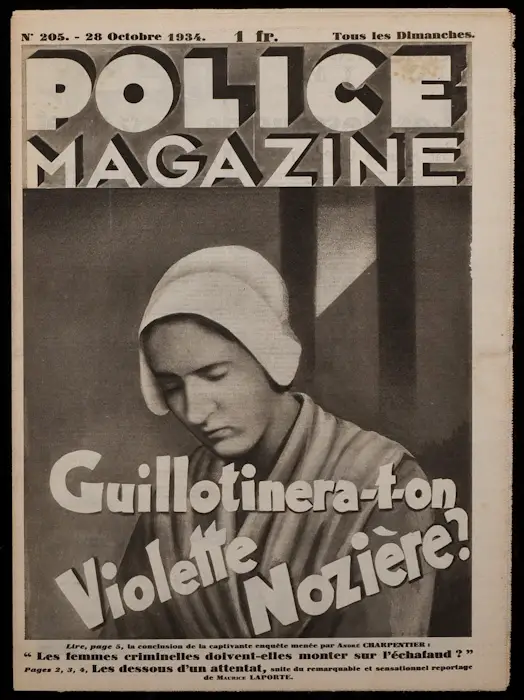
The court sentenced her to death by the guillotine. However, in December 1934, President Albert Lebrun commuted the penalty to life servitude with hard labor.
Redemption and Complete Legal Rehabilitation
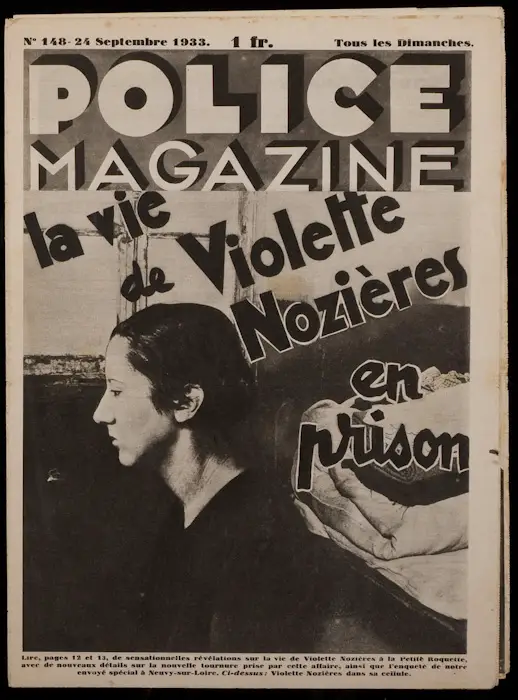
Imprisoned at the Haguenau women's penitentiary, Nozière exhibited extraordinary discipline and repentance. Her surviving mother fully forgave her, making regular visits and campaigning for her release.
In 1942, the Vichy administration reduced her term to 12 years following heroic conduct during an air-raid attack. In August 1945, General Charles de Gaulle signed her unconditional release.
Upon release, she married Pierre Garnier (the son of the Haguenau prison governor, whom she had met while incarcerated), raised five children, and ran a successful family business in Normandy under complete public anonymity.
In 1953, President Vincent Auriol issued an official pardon lifting all residency bans. Finally, in 1963, in an unprecedented ruling within modern French criminal law, the Court of Appeal in Rouen granted Violette Nozière full judicial rehabilitation (réhabilitation judiciaire), expunging all parricide convictions from her legal record and restoring all civic rights. She passed away from cancer in November 1966 at age 51.