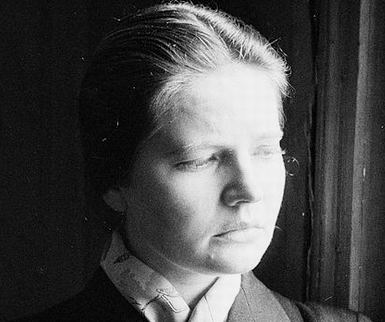






Forensic & Criminological Matrix
| Parameter | Forensic Detail |
|---|---|
| Forensic Heading / Aliases | Florence Rey (The Rey-Maupin Affair) |
| Legal Identity | Florence Rey |
| Confirmed Victims | 5 (3 police officers, 1 taxi driver, and her accomplice Audry Maupin) |
| Active Timeline | October 4, 1994 |
| Jurisdiction / Area of Operations | Paris and surrounding areas, France |
| Criminological Classification | Ideological radicalism / Armed couple crime spree |
| Forensic Modus Operandi | Assaulting police stations for weapons, hijacking vehicles with hostages under gunpoint, and engaging law enforcement in urban firefights |
| Weapon / Mechanism of Death | Handguns and tear gas |
| Motive / Behavioral Dynamics | Left-wing extremist subculture, anarchist radicalization, and youthful nihilism |
| Judicial Outcome | Convicted in 1998 to 20 years imprisonment for complicity in murder and armed robbery; released on parole in May 2009 |
1. Background and Profile
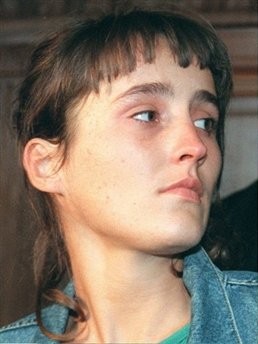
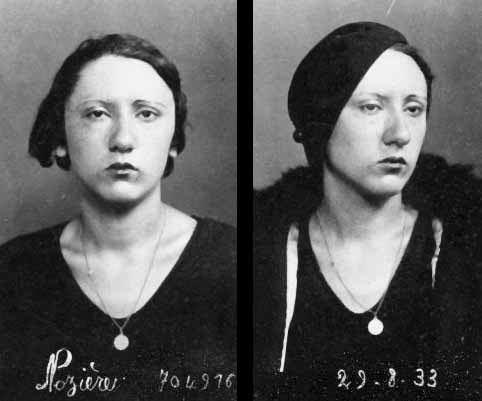
Florence Rey was born in France in 1975. Prior to her involvement in one of France's most notorious criminal cases, she was a 19-year-old philosophy student at the prestigious Sciences-Po institute. She lived with her 22-year-old partner, Audry Maupin, a medical school dropout, in an abandoned squat in Nanterre. Both were already under surveillance by French intelligence (Renseignements Généraux) due to their active involvement in radical underground political circles. Following the shootings, police searches revealed extensive revolutionary and situationist literature, highlighting a profound nihilistic worldview.
2. Crime Spree and Modus Operandi
The sequence of violence began on the night of October 4, 1994. At 9:25 PM, Rey and Maupin scaled the perimeter fence of a municipal car pound in Porte de Pantin with the intention of subduing two on-duty police officers and stealing their service weapons. Discovering the officers lacked handcuffs, they sprayed them with tear gas and fled.
Outside, they hijacked a taxi driven by Amadou Dialoo, carrying passenger Georges Monnier, and forced them at gunpoint toward the Place de la République. Ten minutes later, upon arrival, Dialoo deliberately rammed a police patrol car to alert officers. A deadly shootout ensued, during which Maupin fatally shot police officers Laurent Gerard and Thierry Memard, and seriously wounded the taxi driver. The passenger managed to escape.
The pair then hijacked a second vehicle, a Renault Supercinq driven by Jacky Bensimon, forcing him toward the Bois de Vincennes. During the ensuing high-speed police chase, Maupin fired through the rear window, instantly killing motorcycle patrolman Guy Jacob. Approaching a roadblock, Bensimon pulled the handbrake to spin the vehicle, throwing himself out and saving his life. Police opened fire, fatally wounding Maupin. Florence Rey was arrested immediately at the scene.
3. Investigation and Forensic Pursuit
Law enforcement response was swift. Ballistics analysis formed the core of the judicial investigation, proving conclusively that while Rey was an active accomplice, all fatal shots had been fired by Maupin. Throughout her pre-trial detention at Fleury-Mérogis and subsequent imprisonment, Rey maintained strict silence, refusing police interrogations and media interviews.
4. Legal Proceedings and Outcome
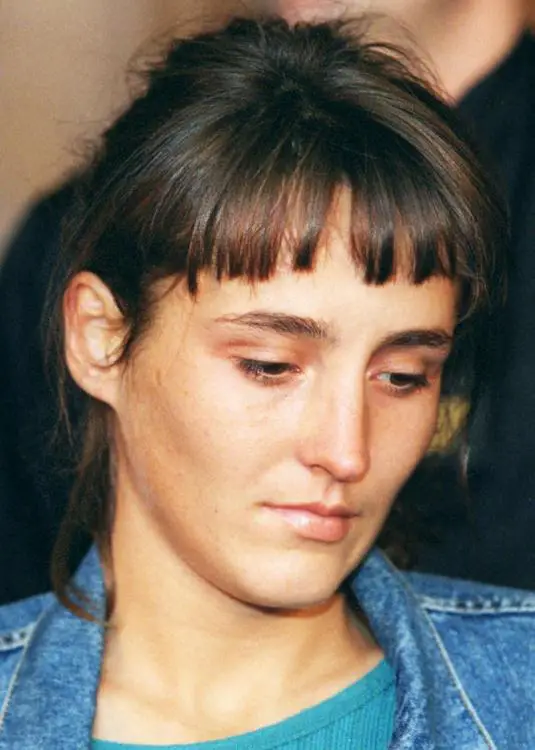
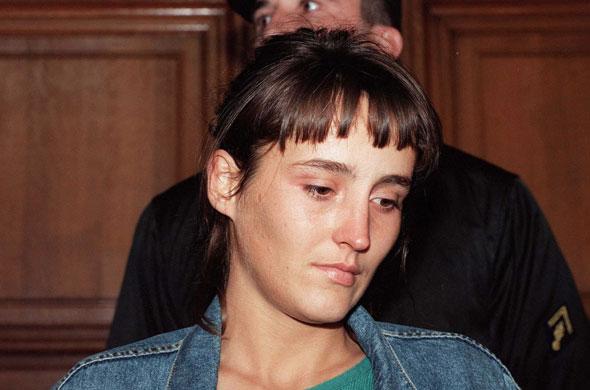
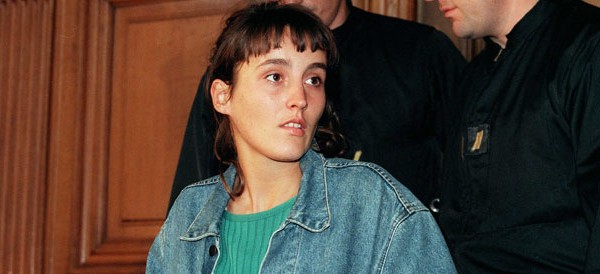
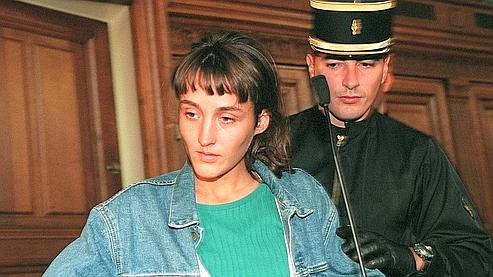
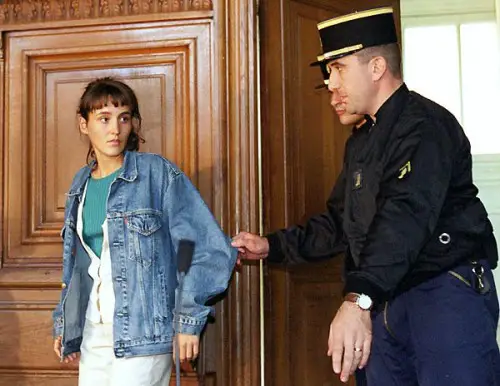
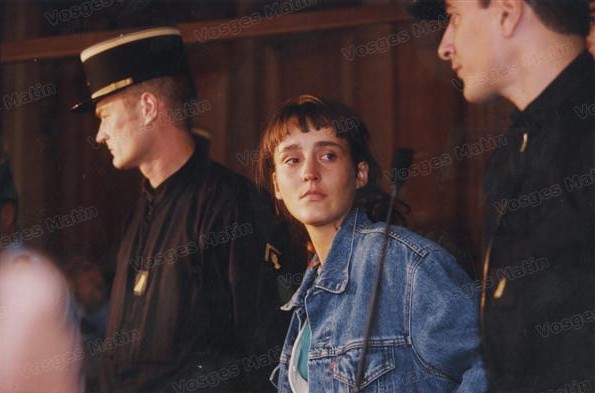
Her trial opened on September 17, 1998, before the Paris Assize Court (Cour d'assises de Paris). Represented by defense attorneys Olivia Cligman and Henri Leclerc, Rey displayed an emotionless and detached demeanor throughout the proceedings, drawing public rebukes from her own counsel for her apparent indifference.
Although the prosecution sought a 30-year sentence, the jury convicted her of complicity in murder and armed robbery after five hours of deliberation, sentencing her to 20 years in prison. Her case spawned an underground countercultural fascination among disaffected Parisian youth.
5. Psychiatric Evaluation and Aftermath
During her incarceration at the women's prison in Rennes, Rey maintained good behavior, pursued history and geography studies, and worked in the prison cafeteria. Following sentence reductions, Florence Rey was quietly released on parole on May 3, 2009, successfully reintegrating into civilian life in obscurity.