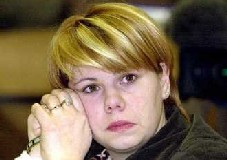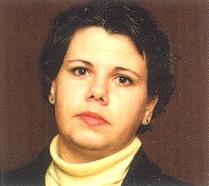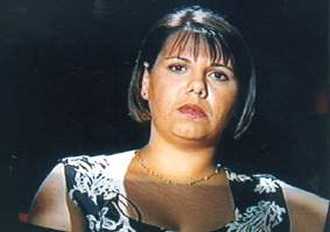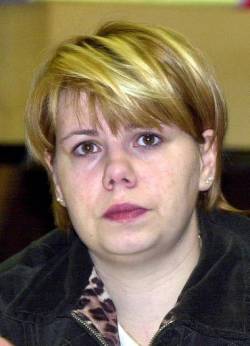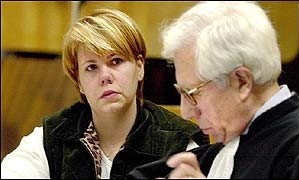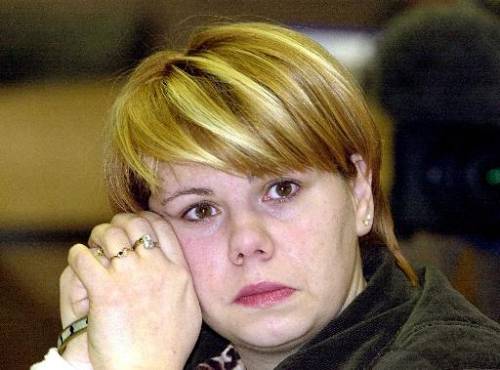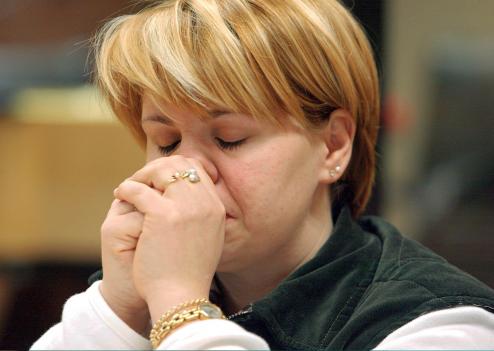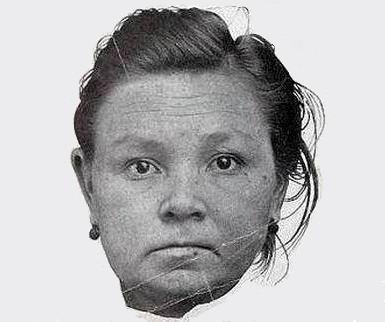



Forensic & Criminological Matrix
| Parameter | Forensic Detail |
|---|---|
| Forensic Heading / Aliases | The Nurse of Mantes-la-Jolie |
| Legal Identity | Christine Malèvre |
| Confirmed Victims | 6 (initially suspected of up to 30) |
| Active Timeline | 1997 - 1998 |
| Jurisdiction / Area of Operations | François-Quesnay Hospital, Mantes-la-Jolie, France |
| Criminological Classification | Healthcare serial killer (Angel of Death) |
| Forensic Modus Operandi | Clandestine administration of lethal medication or cessation of life support to vulnerable patients under her care |
| Weapon / Mechanism of Death | Prescription pharmaceuticals, sedatives, and lethal chemical agents |
| Motive / Behavioral Dynamics | Morbid fascination with illness and death, masked under purported compassion |
| Judicial Outcome | Convicted in January 2003 to 10 years in prison and a lifetime nursing ban; currently released |
1. Background and Profile
Christine Malèvre was born in France in 1970 and trained as a nurse. She secured employment at the François-Quesnay Hospital in Mantes-la-Jolie, near Paris. Beneath an outward appearance of professional competence, post-arrest psychological evaluations revealed that Malèvre harbored a profound and morbid preoccupation with disease, suffering, and mortality, which ultimately drove her criminal conduct within a clinical setting.
2. Crime Spree and Modus Operandi
Between February 1997 and May 1998, Malèvre exploited her access to patients in the pulmonary ward during night shifts to administer unauthorized, lethal doses of medication or otherwise hasten the deaths of vulnerable individuals. Following her arrest, she initially claimed to have assisted around 30 terminal patients out of compassion. However, she later recanted most of these confessions, claiming responsibility for only a few deaths while denying others. Forensic investigators and victims' families firmly rejected her claims, establishing that the patients had never requested assistance in dying.
3. Investigation and Capture
Internal concerns regarding an anomalous cluster of fatalities at the François-Quesnay Hospital triggered an administrative inquiry and subsequent police intervention. Malèvre was arrested in July 1998. During interrogations, her narrative shifted repeatedly, at times blaming neuroleptic medication for her statements. Comprehensive medical file reviews, toxicology screens, and psychiatric profiling dismantled her defense of altruistic euthanasia, exposing a pattern of deliberate homicides driven by psychological pathology.
4. Legal Proceedings and Outcome
The trial of Christine Malèvre took place in Versailles in January 2003, sparking intense national debate in France over euthanasia and medical ethics. Prosecutors successfully dismantled her portrayal as a compassionate caregiver, citing psychological testimony that highlighted her morbid fascination with death and lack of genuine altruism. The court found her guilty of murdering six patients (acquitting her of a seventh count) and sentenced her to 10 years in prison alongside a permanent ban from the nursing profession. She has since served her sentence and been released.
5. Psychiatric Assessment and Aftermath
Forensic psychiatrists concluded that Malèvre suffered from emotional instability and a pathological fixation on terminal illness. Her case remains a landmark in French criminal history, prompting tighter institutional controls over medication distribution in hospitals and intensifying legal scrutiny surrounding end-of-life practices.