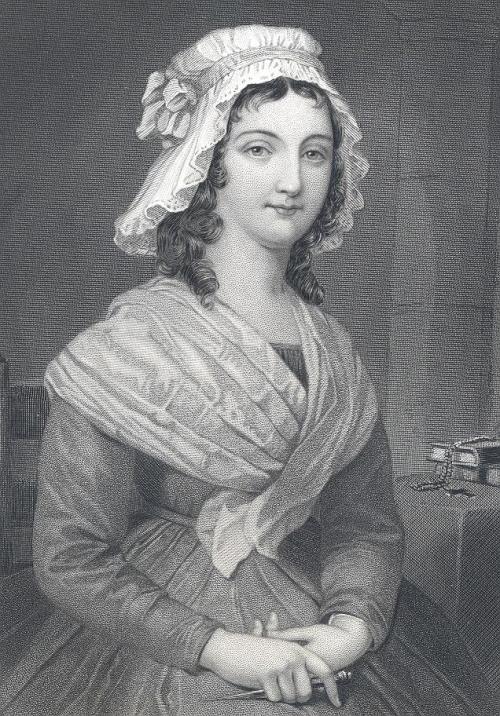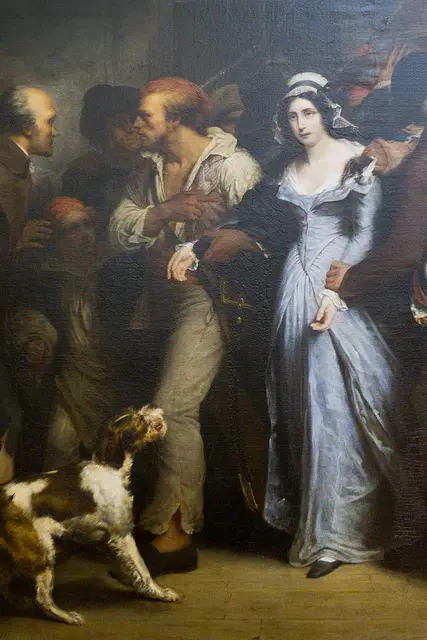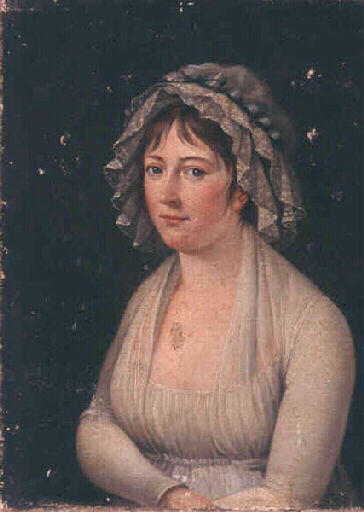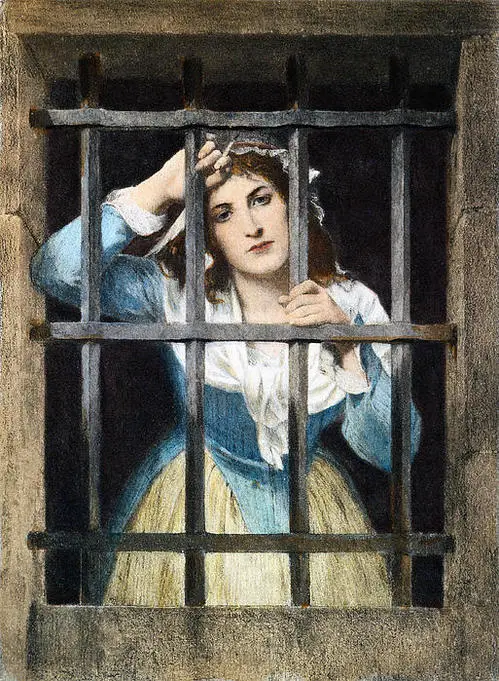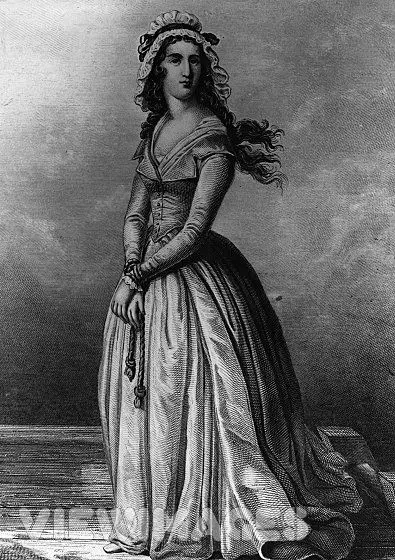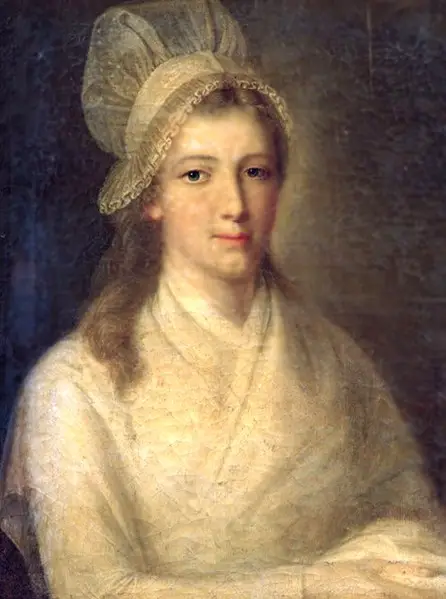




Charlotte Corday: «The Angel of Assassination», the Tyrannicide of Jean-Paul Marat in the Bathtub, and the Jacobin Terror
Executive Summary
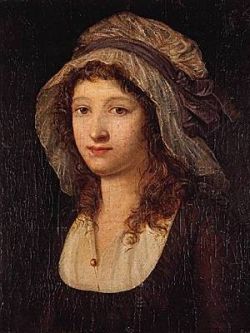
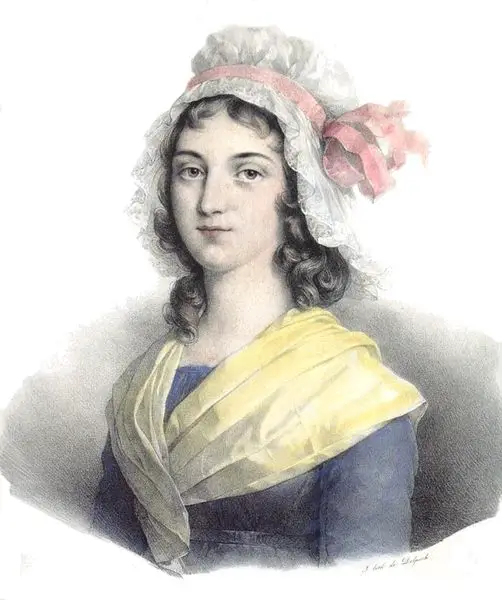
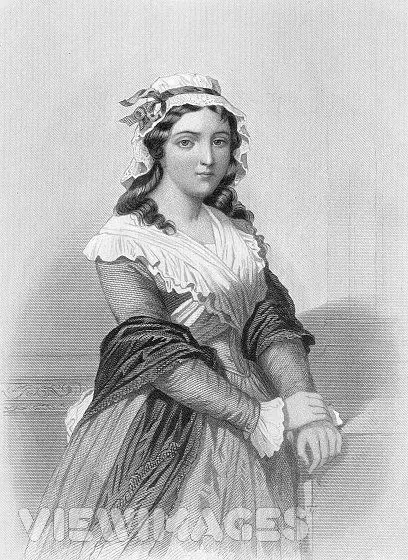
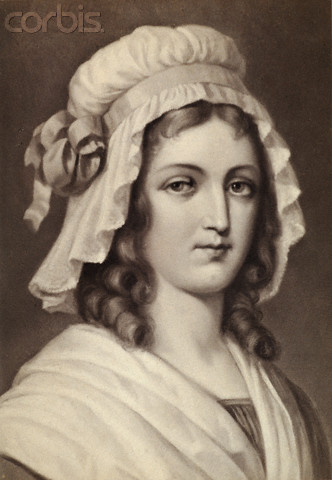
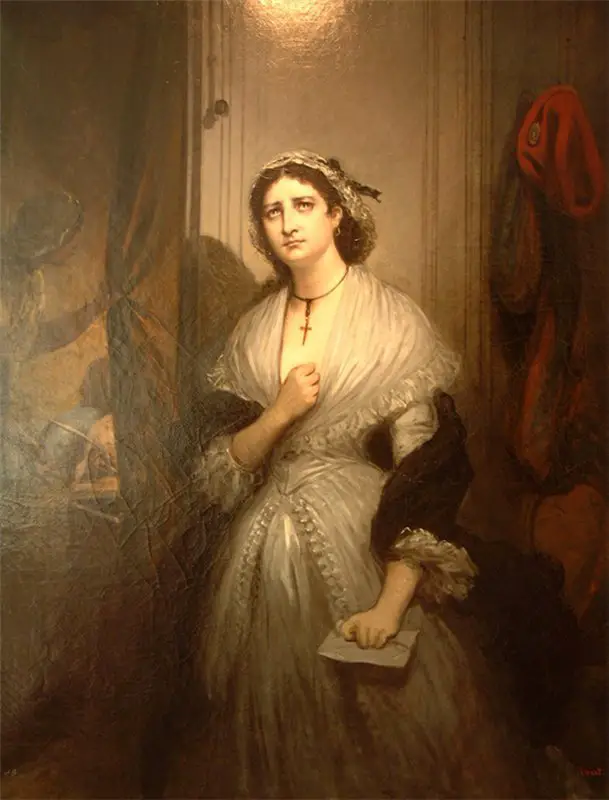
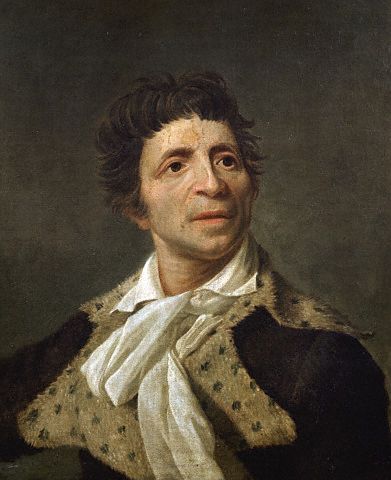
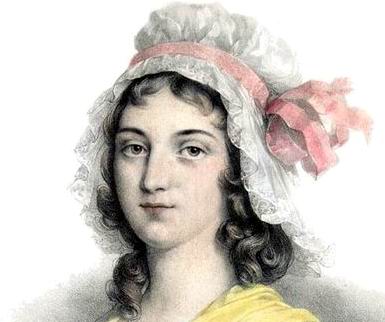
Charlotte Corday (baptized Marie-Anne-Charlotte de Corday d'Armont; July 27, 1768 – July 17, 1793), immortalized by historian Alphonse de Lamartine as «The Angel of Assassination» (L'ange de l'assassinat), was an impoverished French noblewoman and Girondin sympathizer renowned for executing one of the most consequential political assassinations and tyrannicides of modern European history: the killing of Jean-Paul Marat, physician, radical Montagnard deputy, and journalist during the French Revolution's Reign of Terror.
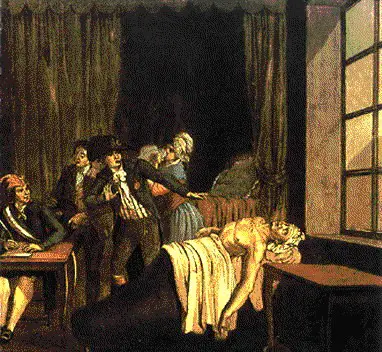
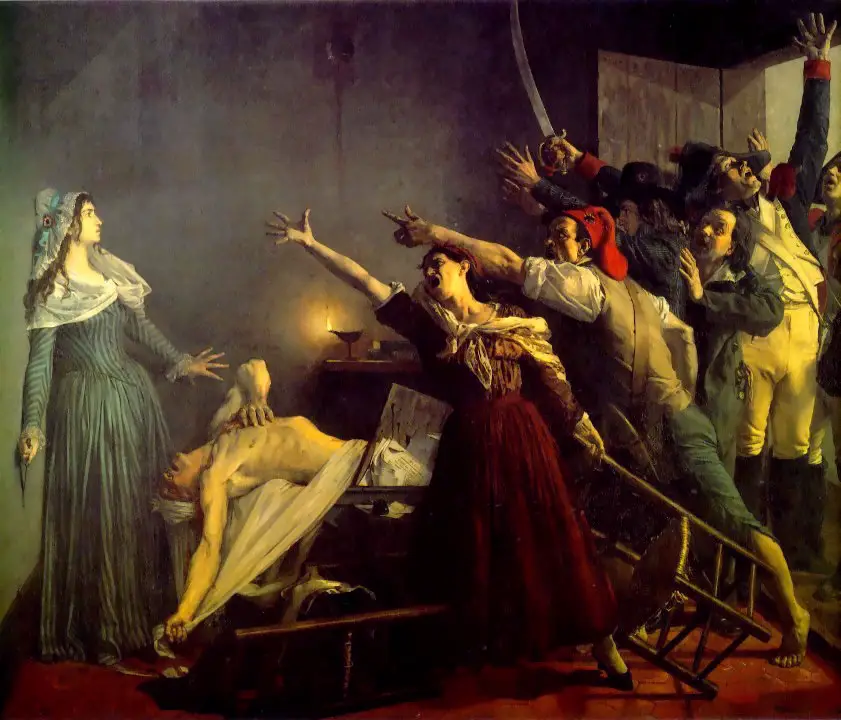
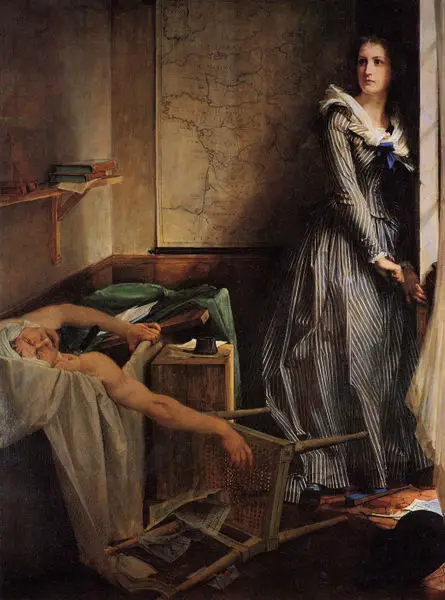
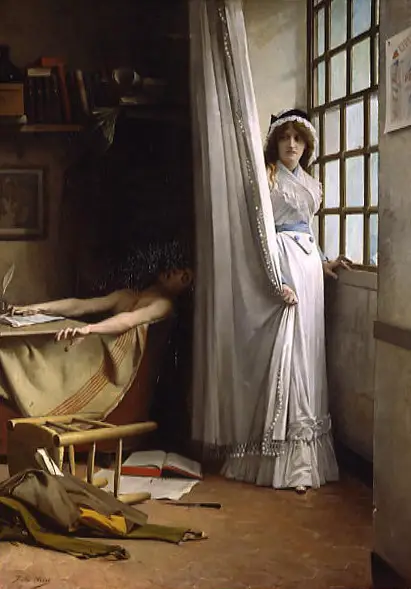
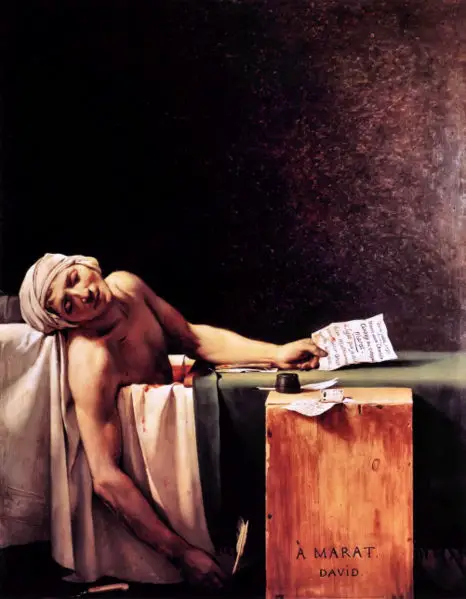
On July 13, 1793, the eve of the Bastille Day anniversary, Corday—a 24-year-old Norman provincial and great-great-granddaughter of classical dramatist Pierre Corneille—gained entrance to Marat's residence at 18/20 Rue des Cordeliers in Paris under the pretext of delivering intelligence regarding a Girondin uprising in Caen. Admitted into the private room where Marat soaked in a copper medicinal bathtub to alleviate a chronic exfoliative skin condition, Corday drew a fifteen-centimeter ebony-handled kitchen knife purchased earlier at the Palais-Royal and drove it downward into Marat's upper right chest. The blade severed the carotid artery and pierced the aorta and lung, killing Marat in moments.
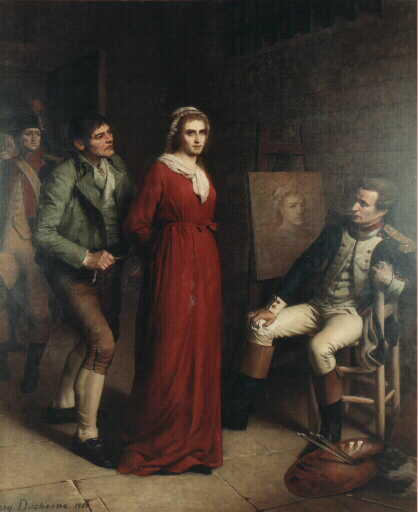
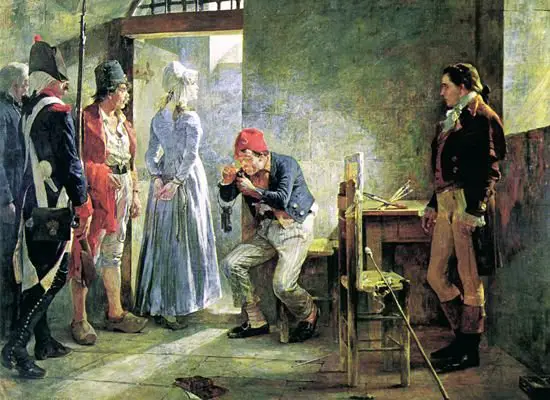
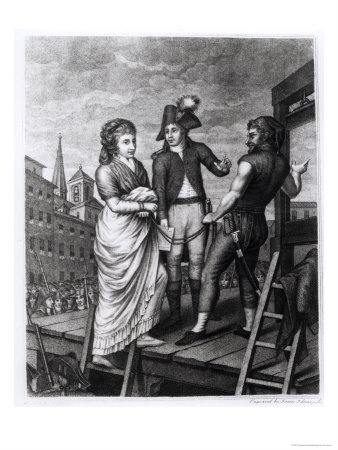
Refusing flight, Corday embraced her act with stoic composure. Tried before the Revolutionary Tribunal under chief prosecutor Antoine Quentin Fouquier-Tinville, she declared she had "killed one man to save one hundred thousand," convinced that Marat's death would halt factional civil war and end the guillotine. Sentenced to death, she was guillotined at the Place de la Révolution on July 17, 1793. Following decapitation, executioner's assistant François Le Gros slapped her severed cheek, triggering an Enlightenment medical controversy across Europe regarding post-mortem consciousness, while forensic examiners confirmed her complete virginity, refuting Jacobin rumors that she was a manipulated concubine.
Forensic & Criminological Matrix
| Parameter | Forensic Detail |
|---|---|
| Legal Identity | Marie-Anne-Charlotte de Corday d'Armont |
| Public Identity | Charlotte Corday |
| Historical Epithets | "The Angel of Assassination" / "The Tyrannicide of Normandy" |
| Date of Birth | July 27, 1768 (Saint-Saturnin-des-Ligneries, Normandy, France) |
| Date of Death | July 17, 1793 (Place de la Révolution, Paris; aged 24) |
| Medical Cause of Death | Judicial decapitation via the guillotine |
| Executioner | Charles-Henri Sanson (Executioner of Paris) |
| Criminological Classification | Ideological / Political Homicide (Altruistic Tyrannicide) |
| Confirmed Fatalities | 1 (Jean-Paul Marat, 50, Montagnard deputy and director of L'Ami du peuple) |
| Homicidal Weapon | 15 cm fixed-blade kitchen knife with ebony handle (purchased for 40 sous at Palais-Royal) |
| Mechanics of Injury | Downward transfixion in right first intercostal space; complete severance of aorta and pulmonary artery |
| Crime Scene | Shoe-shaped copper bathtub, Marat's residence, 18/20 Rue des Cordeliers, Paris |
| Manifesto Discovered | Handwritten declaration sewn into bodice: Adresse aux Français amis des lois et de la paix |
| Trial Court | Revolutionary Criminal Tribunal of Paris |
| Chief Prosecutor | Antoine Quentin Fouquier-Tinville |
| Defense Counsel | Claude François Chauveau-Lagarde |
Norman Lineage, the Caen Convent, and Classical Ideals (1768–1793)
Charlotte Corday was born into an impoverished noble family in Saint-Saturnin-des-Ligneries, Lower Normandy:
- Her father, Jacques-François de Corday d'Armont, was an educated country gentleman of modest means; her mother was a direct descendant of playwright Pierre Corneille.
- Following her mother's death in 1782, Charlotte entered the Royal Abbey of the Trinity (Abbaye aux Dames) in Caen.
- At the convent, Charlotte studied Plutarch, Rousseau, Corneille, and Voltaire, developing an idealized devotion to classical republican civic virtue, personal liberty, and resistance to despotism.
When revolutionary decrees dissolved monastic orders in 1790, 22-year-old Charlotte went to live with her elderly cousin, Madame de Bretteville, in Caen. While initially supportive of the 1789 Revolution as a path toward enlightened constitutional monarchy, she grew horrified by rising extremist violence.
The Girondin Proscription and the Decision for Tyrannicide (1793)
The moderate course ended with the Parisian insurrection of May 31 – June 2, 1793:
- The radical Montagnards, led by Robespierre, Danton, and Marat, expelled the moderate Girondins from the National Convention.
- Proscribed Girondin deputies fled to Caen to organize armed resistance. Attending assemblies at the Hôtel de l'Intendance, Corday heard accounts of the September 1792 massacres.
- Corday viewed Jean-Paul Marat as the ideological engine of the Terror. In his paper L'Ami du peuple, Marat agitated for thousands of executions. Believing Marat's elimination would break the faction's power and restore peace, Corday resolved upon an altruistic tyrannicide.
On July 9, 1793, without confiding in anyone, Corday departed Caen for Paris aboard a public stagecoach, carrying a copy of Plutarch's Parallel Lives.
Infiltration of the Rue des Cordeliers and the Bathtub Murder (July 13, 1793)
Arriving in Paris on July 11, Corday checked into the Hôtel de la Providence:
- Her original plan was to stab Marat publicly on the floor of the National Convention. However, upon arrival she learned that Marat, suffering from severe exfoliative dermatitis (dermatitis herpetiformis or severe scrofulous eczema requiring mineral baths for relief), was bedridden at his apartment.
- On the morning of July 13, she purchased a 15 cm ebony-handled kitchen knife for 40 sous at a cutlery shop in the Palais-Royal.
- She attempted to visit Marat's home twice, but was turned away by his common-law wife, Simone Évrard.
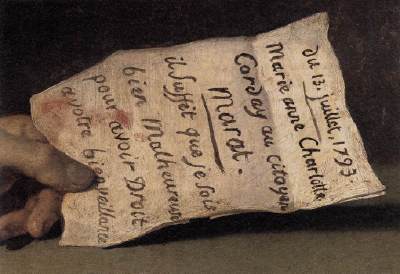
- At 19:00, she returned with a written note: "I have come from Caen; your love for the fatherland leads me to believe you will wish to learn of the plots being hatched there... I am unfortunate, and that alone entitles me to your consideration."
Hearing voices in the anteroom, Marat called for her to be admitted.
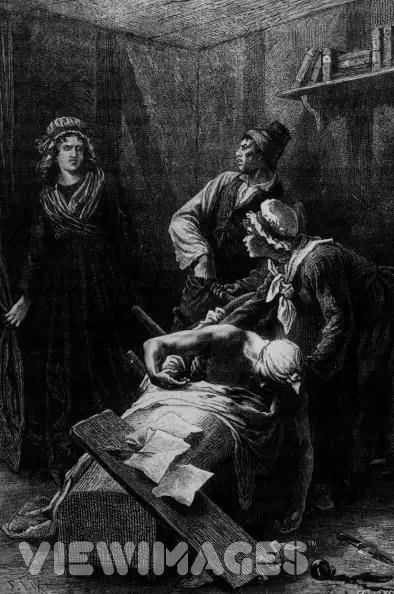
In the dimly lit room, Marat was seated in a shoe-shaped copper bathtub, wrapped in vinegar-soaked cloths, using a wooden board across the tub as a writing desk:
- Corday sat beside the tub, providing names of Girondin leaders in Caen.
- When Marat wrote the names down, declaring: "Good, they shall all be guillotined within a week!", Corday drew the knife from her bodice and struck downward with both hands.
- The blade penetrated below the right clavicle, pierced the first intercostal space, severed the pulmonary artery, and punctured the ascending aorta. Marat cried out: «A moi, ma chère amie, à moi!» and died within seconds.
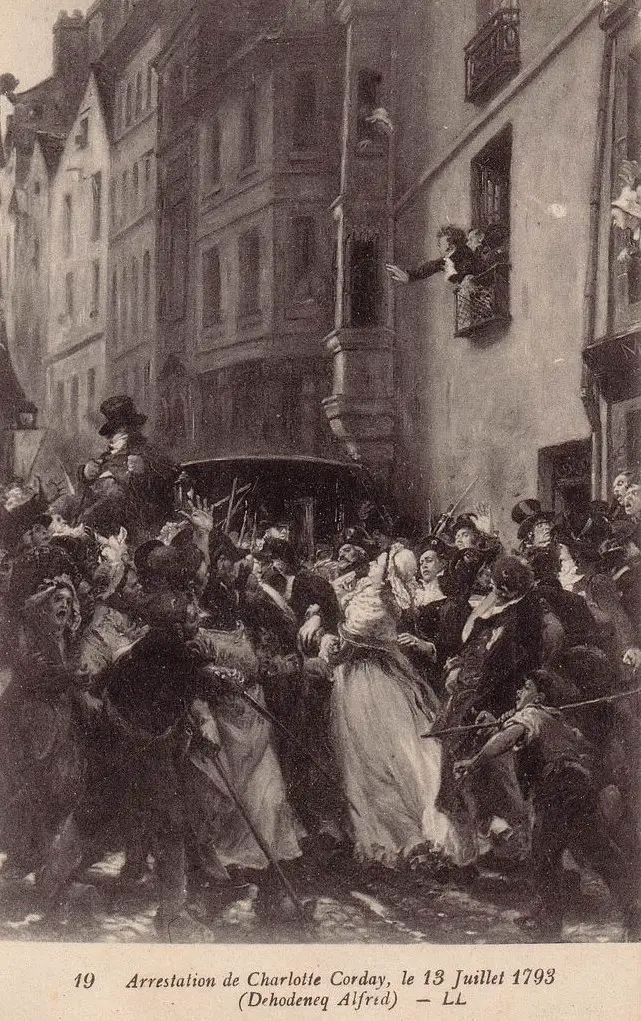
Simone Évrard and servants rushed into the room. Distributor Laurent Bas struck Corday down with a chair. Corday surrendered without resistance.
The Political Manifesto and the Revolutionary Tribunal
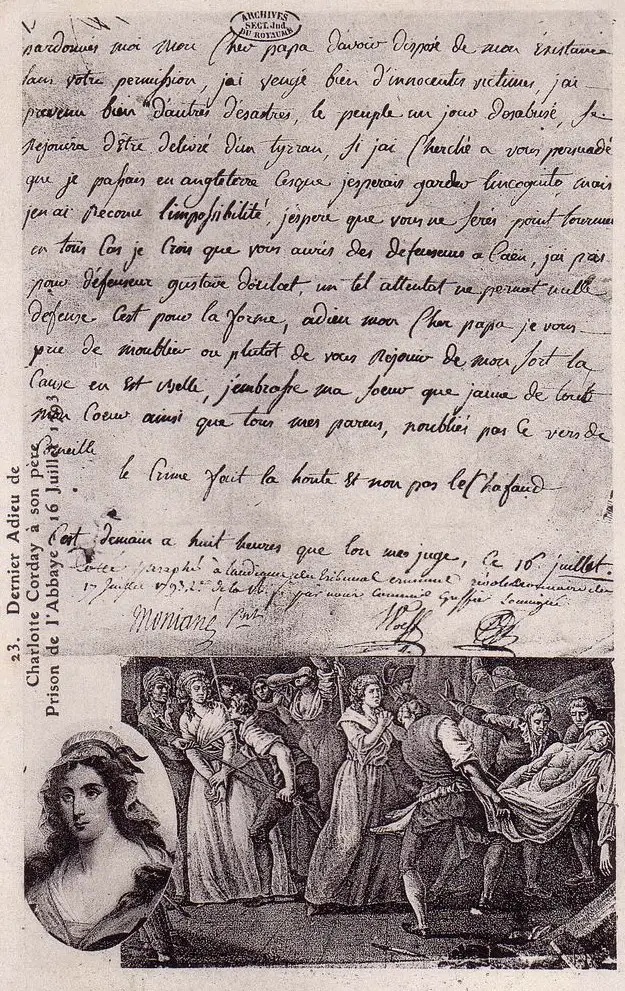
Police found sewn into her bodice an eight-page handwritten political manifesto:
«Address to the French Friends of Law and Peace» (Adresse aux Français amis des lois et de la paix)
"How long, O wretched Frenchmen, will you delight in disorder and division? For too long, factions have placed sectional interest above the common good. The Mountain triumphs through blood. I have desired that my death serve as an example to unite all friends of liberty."
On July 17, 1793, her trial was held before the Revolutionary Criminal Tribunal:
- Prosecutor Fouquier-Tinville attempted to frame her as an operative of a grand foreign Girondin conspiracy. Corday rebutted his assertions:
- Asked who taught her to strike with such surgical precision: "My heart's indignation was enough to guide my hand."
- Asked why she committed the murder: "I killed one monster to save one hundred thousand people. I was a republican before the Revolution and have never lacked courage."
- Appointed counsel Chauveau-Lagarde offered a defense acknowledging her extraordinary state of mind: "The accused confesses all with superhuman calm. Such complete contempt for death can only be explained by fanatical political exaltation."
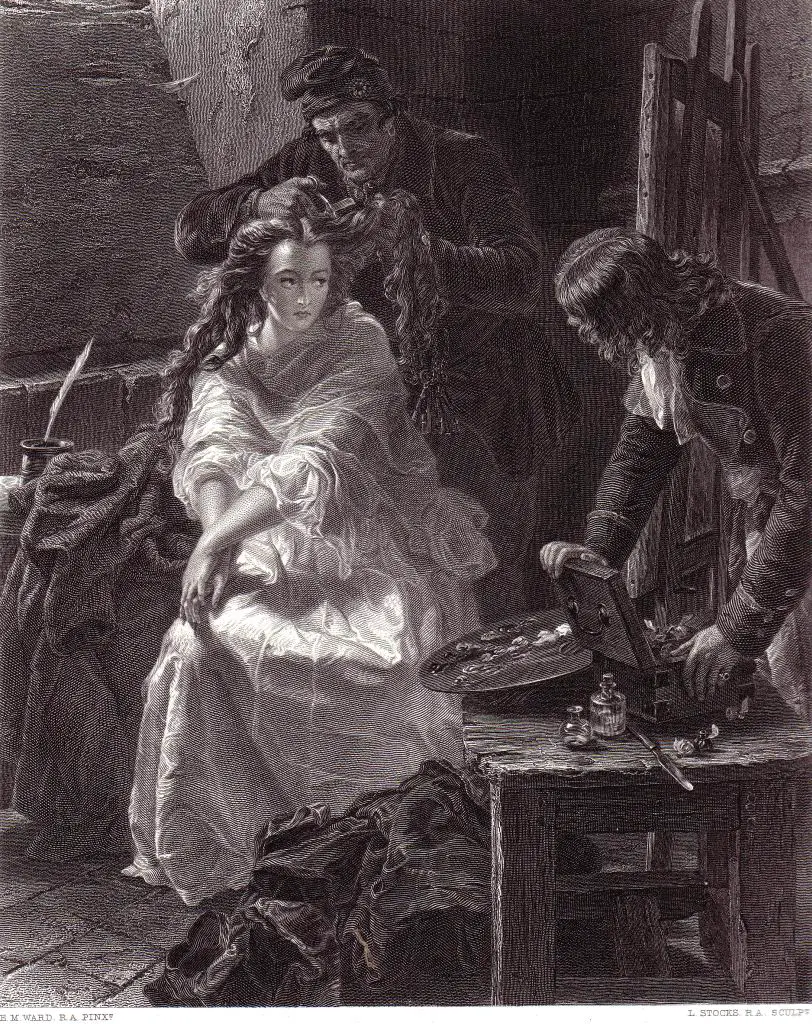
The tribunal unanimously sentenced her to death by the guillotine, ordering that she wear the red smock reserved for parricides.
The Guillotine and the Post-Mortem Sensation
On the stormy afternoon of July 17, 1793, Corday was transported by tumbril to the Place de la Révolution:
- Observers, including poet André Chénier and German jurist Adam Lux, remarked upon her composed demeanor.
- At 19:30, the guillotine blade severed her head.
Immediately after the head fell into the basket, an executioner's assistant named François Le Gros lifted the severed head and struck its cheek:
- Witnesses reported that the cheeks flushed with visible color and an expression of indignation. Charles-Henri Sanson denounced the act, and Le Gros was imprisoned for three months for judicial desecration.
- The episode triggered a European-wide scientific debate involving German anatomist Samuel Thomas von Sömmerring and French surgeon Jean-Joseph Sue on whether the brain retains transient consciousness following decapitation.
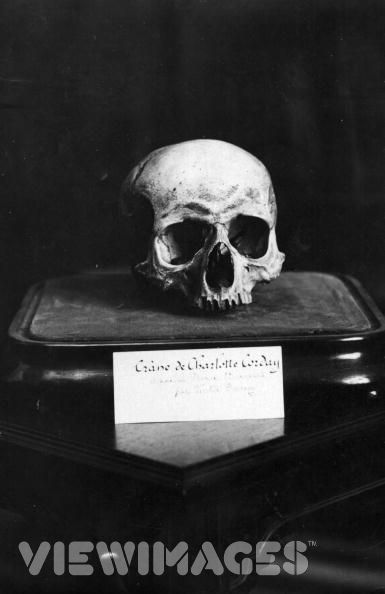
To prevent counterrevolutionary veneration, her body was buried in quicklime at the Madeleine Cemetery. A post-mortem physical examination by surgeons confirmed her biological virginity, dispelling Jacobin smears of a sexual motive.
Forensic Victim Register
| Victim Identity | Age | Political Role / Station | Date and Scene of Crime | Forensic Cause of Death |
|---|---|---|---|---|
| Jean-Paul Marat | 50 | Physician, National Convention deputy, editor of L'Ami du peuple | July 13, 1793; 18/20 Rue des Cordeliers, Paris | Penetrating stab wound to right first intercostal space; transfixion of ascending aorta, pulmonary artery, and right lung; massive hemothorax and rapid exsanguination |