Forensic & Criminological Matrix
| Parameter | Forensic Detail |
|---|---|
| Forensic Heading / Aliases | The Chicken Run Murderer |
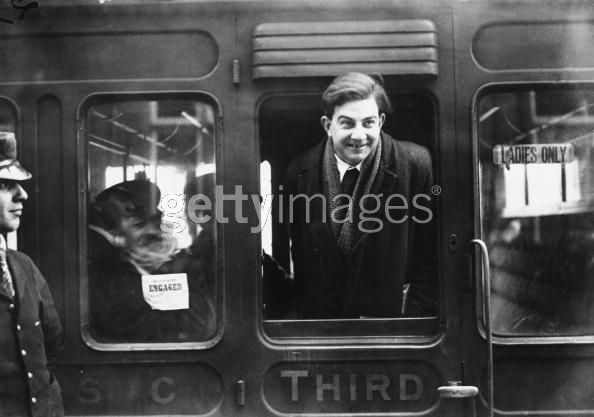
| Legal Identity | John Norman Holmes Thorne |
| Confirmed Victims | 1 |
| Attributed / Indicted Victims | 1 |
| Active Timeline | December 5, 1924 |
| Jurisdiction / Area of Operations | Crowborough, Sussex, United Kingdom |
| Criminological Classification | Passionate Murderer |
| Forensic Modus Operandi | Strangulation and post-mortem dismemberment |
| Weapon / Mechanism of Death | Hacksaw |
| Motive / Behavioral Dynamics | Desire to end a relationship and avoid responsibility |
| Judicial Outcome | Death sentence by hanging |
1. Background and Profile
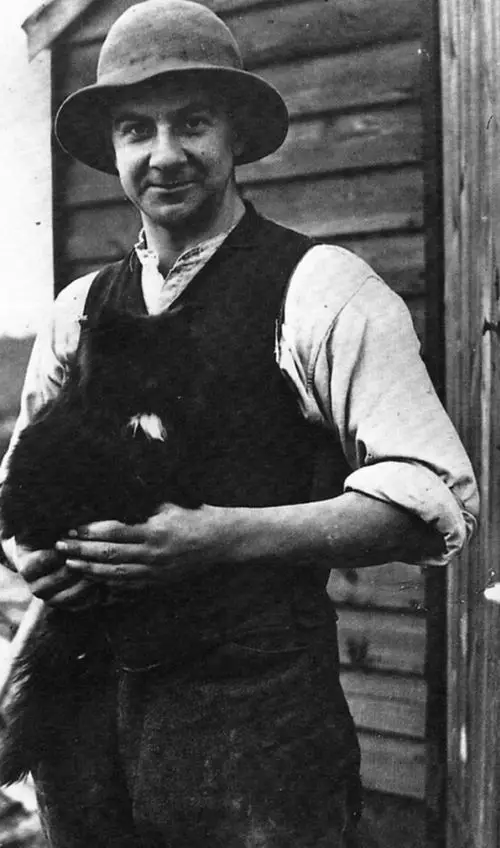
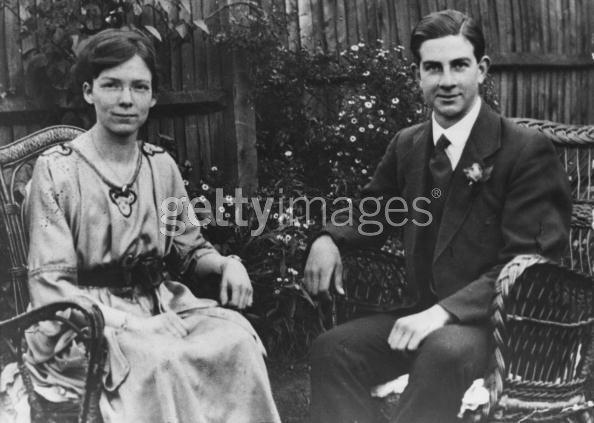
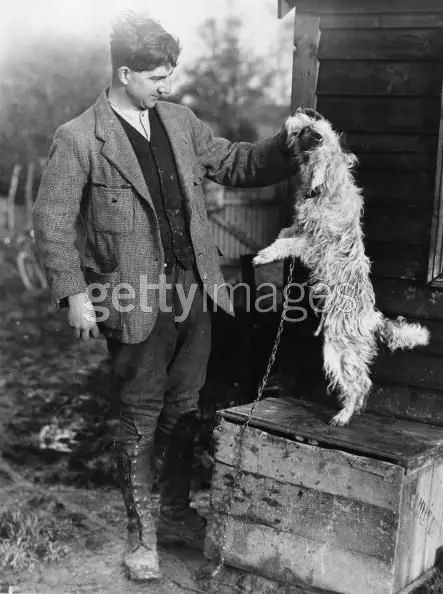
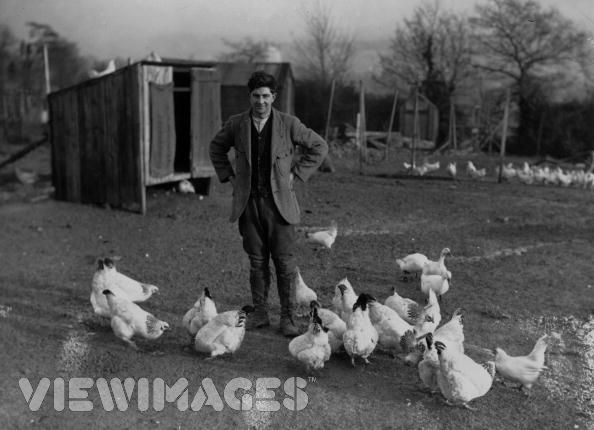
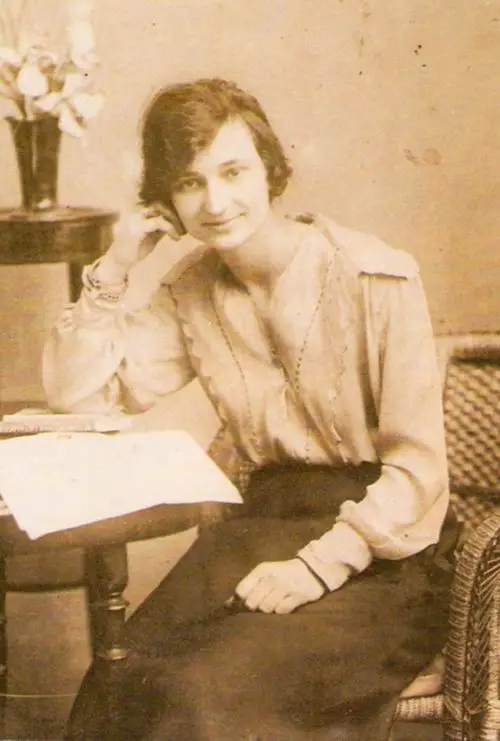
John Norman Holmes Thorne was born in 1900. An electrical engineer by trade, he transitioned to poultry farming in 1921 after establishing the 'Wesley Poultry Farm' in Crowborough, Sussex. He had been engaged to Elsie Emily Cameron since 1922, but his interest waned after meeting Bessie Coldicott in 1924, leading to a volatile conflict over his desire to terminate the engagement.
2. Crime Spree
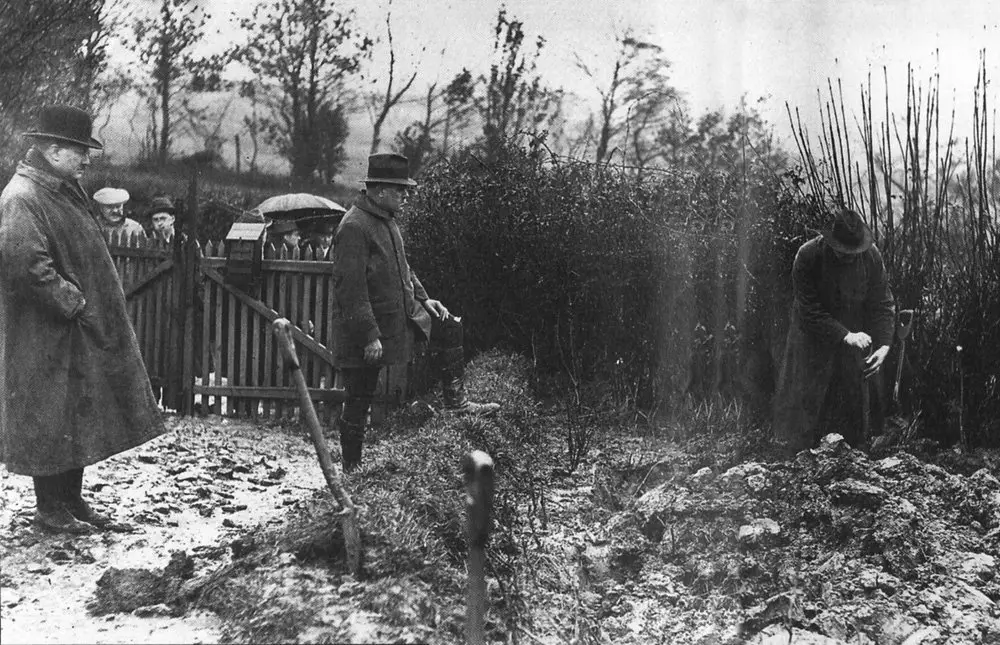
On December 5, 1924, Elsie Cameron visited Thorne's farm to confront him regarding their future and her claim of pregnancy. Thorne murdered her, subsequently using a hacksaw to dismember her body. He buried the remains beneath the chicken run on his property to conceal the crime.
3. Investigation and Arrest
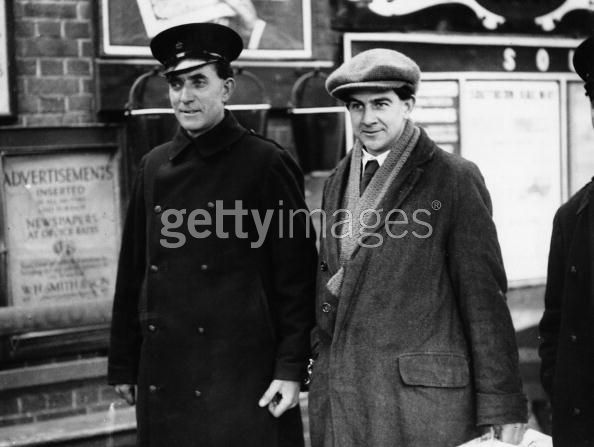
Following Elsie's disappearance, Thorne initially denied her presence at the farm. However, witness testimony placed her at the location. Scotland Yard's involvement led to the discovery of the remains on January 15, 1925. Thorne's defense claimed suicide, which he attempted to cover up through dismemberment due to panic.
4. Legal Proceedings and Outcome
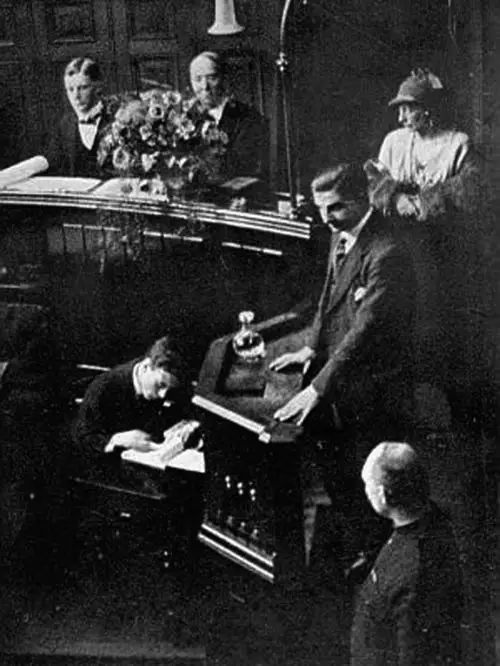
During the trial at Lewes Assizes, pathologist Sir Bernard Spilsbury provided critical evidence, noting the absence of hanging marks and the presence of blunt force trauma. The jury rejected the suicide defense, finding Thorne guilty of murder. He was executed at Wandsworth Prison on April 22, 1925.