



Forensic & Criminological Matrix
| Parameter | Forensic Detail |
|---|---|
| Forensic Heading / Aliases | None |
| Legal Identity | Terence Casey |
| Confirmed Victims | 1 |
| Attributed / Indicted Victims | 1 |
| Active Timeline | July 13, 1943 |
| Jurisdiction / Area of Operations | Putney, London, United Kingdom |
| Criminological Classification | Sexual Homicide Offender |
| Forensic Modus Operandi | Manual strangulation following sexual assault |
| Weapon / Mechanism of Death | Physical force (strangulation) |
| Motive / Behavioral Dynamics | Aggressive impulsivity and alcohol-induced disinhibition |
| Judicial Outcome | Death sentence by hanging |
1. Background and Profile
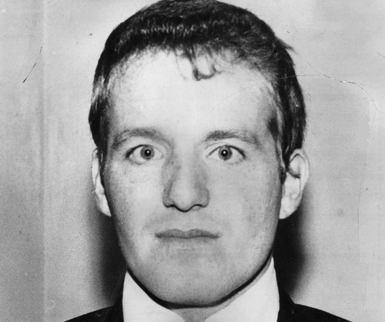
Terence Casey was a 22-year-old soldier serving in the Royal Army Medical Corps (RAMC). While he had no prior criminal record, his psychological profile indicated a significant lack of control over sexual and aggressive impulses. At the time of the offense, he was on a nine-day leave, staying with his brother Albert in Fulham.
2. Crime Spree
On July 13, 1943, after consuming approximately twelve pints of beer in various Putney pubs, Casey targeted Bridget Nora Milton, a 45-year-old woman. After following her from the Quill pub, he attacked her in a private garden on Gwendolen Road. He raped and strangled her. The crime was interrupted by air-raid wardens who alerted the police, leading to his immediate apprehension.
3. Investigation and Arrest
Police investigation, led by Detective Inspector A. Phillpott, established a clear timeline of the events. Casey made no attempt to flee the scene. Witness testimony from Freda Gibbons, a barmaid whom Casey had harassed earlier that evening, provided crucial context regarding his state of mind and predatory behavior.
4. Legal Proceedings and Outcome
The trial took place at the Old Bailey in September 1943. The defense presented medical evidence from Dr. J. D. N. Hill, who performed electroencephalograms to argue that Casey suffered from a brain abnormality that caused an epileptic-like state when intoxicated. The court rejected this defense, ruling that the defendant was fully aware of his actions.
5. Psychiatric Evaluation and Final Disposition
Despite a recommendation for mercy by the jury, the Court of Appeal upheld the death sentence. Medical experts concluded that while Casey exhibited a lack of impulse control, he remained legally responsible for his actions. Terence Casey was executed by hanging at Wandsworth Prison on November 19, 1943.