Forensic & Criminological Matrix
| Parameter | Forensic Detail |
|---|---|
| Forensic Heading / Aliases | null |
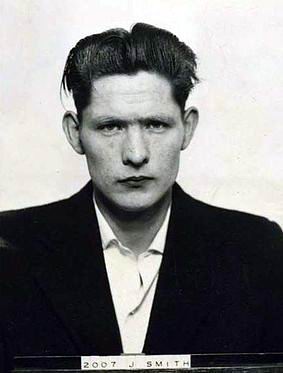
| Legal Identity | James Smith |
| Confirmed Victims | 1 |
| Attributed / Indicted Victims | 1 |
| Active Timeline | May 1962 |
| Jurisdiction / Area of Operations | Manchester, United Kingdom |
| Criminological Classification | Robbery-Homicide |
| Forensic Modus Operandi | Blunt force trauma using glass bottles |
| Weapon / Mechanism of Death | 5 glass soda bottles |
| Motive / Behavioral Dynamics | Theft of approximately £6 |
| Judicial Outcome | Death sentence under the Homicide Act 1957 |
1. Background and Profile
James Smith (1936–1962) was a 26-year-old rubber moulder from Failsworth, earning £15 per week. A father of two, his prior criminal record proved critical for his identification, as his fingerprints were already on file with the authorities.
2. Crime Spree
On the afternoon of May 17, 1962, Smith entered a sweetshop in Miles Platting, Manchester. He beat 58-year-old Sarah Isabella Cross to death using five glass orangeade and cherryade bottles. The bottles shattered upon impact. Smith stole £6 from the till and fled through the rear exit.
3. Investigation and Arrest
Police, led by Detective Chief Superintendent Eric Cunningham, identified Smith through a fingerprint left on a freshly painted door frame. Forensic experts at the North West Forensic Science Laboratory in Preston reconstructed the shattered bottles and matched microscopic glass particles found in Smith's home and clothing to the crime scene evidence.
4. Legal Proceedings and Outcome
Smith was tried in October 1962. The jury returned a guilty verdict in 20 minutes. Under the Homicide Act 1957, he was sentenced to death. He was executed by hanging at Strangeways Prison on November 28, 1962, by executioner Harry Allen. His remains were later cremated and interred at Blackley Cemetery.