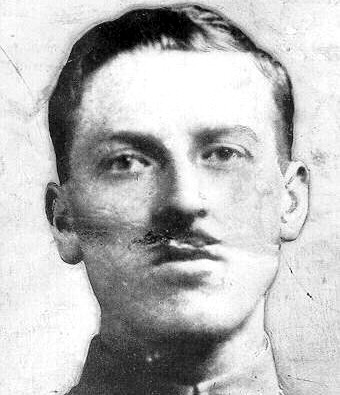
Forensic & Criminological Matrix
| Parameter | Forensic Detail |
|---|---|
| Forensic Heading / Aliases | The Trunk Murderer |
| Legal Identity | John Robinson |
| Confirmed Victims | 1 |
| Attributed / Indicted Victims | 1 |
| Active Timeline | May 1927 |
| Jurisdiction / Area of Operations | London, United Kingdom |
| Criminological Classification | Dismembering Homicide |
| Forensic Modus Operandi | Asphyxiation, blunt force trauma, and post-mortem dismemberment |
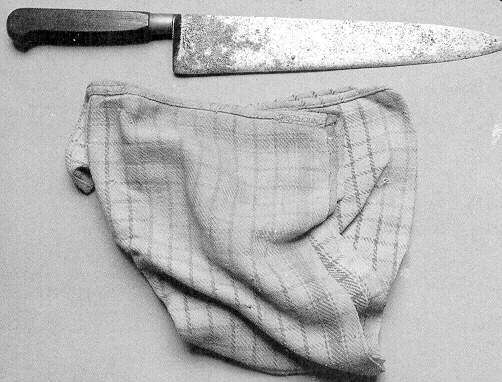
| Weapon / Mechanism of Death | Coal-scuttle (blunt force) and knife |
| Motive / Behavioral Dynamics | Financial dispute and post-homicide panic |
| Judicial Outcome | Death sentence by hanging |
1. Background and Profile
John Robinson was a struggling estate agent operating in Westminster. His personal life was marked by bigamy and financial instability. He had abandoned his first family to marry a woman employed at the Greyhound Hotel, a detail that would eventually lead to his capture.
2. Crime Spree
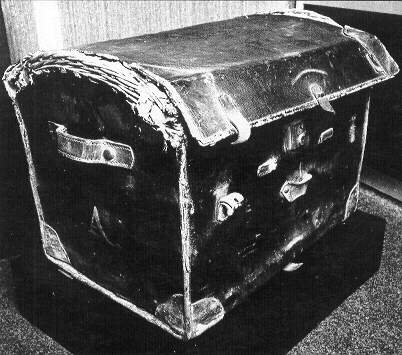
On May 4, 1927, Robinson encountered Minnie Alice Bonati at Victoria Station. After taking her to his office, a confrontation ensued. Robinson claimed she demanded money and attacked him, leading to her accidental death after hitting her head on a coal-scuttle. He subsequently dismembered her body, wrapped the parts in paper and cloth, and deposited them in a trunk at Charing Cross Station.
3. Investigation and Arrest
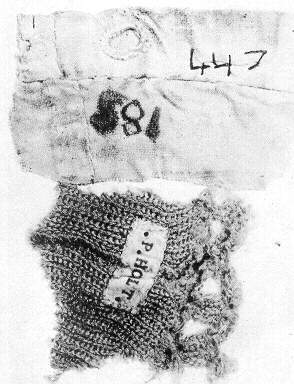
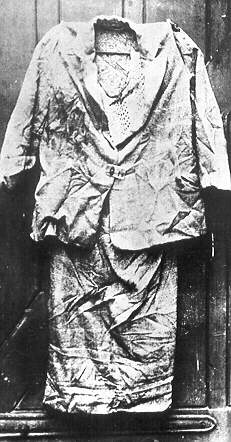
Station staff discovered the trunk on May 9 due to the odor of decomposition. Pathologist Sir Bernard Spilsbury performed the autopsy, identifying the victim as Minnie Bonati. Police traced the laundry marks on the victim's clothing to a former employer, which eventually led them to Robinson's office. The discovery of a blood-stained match and a duster marked 'GREYHOUND' provided the forensic link to the perpetrator.
4. Legal Proceedings and Outcome
Robinson was arrested on May 19, 1927, after his wife assisted police. Despite an initial release, he was re-arrested on May 23 after confessing to the crime. His trial at the Old Bailey resulted in a guilty verdict. He was executed at Pentonville Prison on August 12, 1927.