Forensic & Criminological Matrix
| Parameter | Forensic Detail |
|---|---|
| Forensic Heading / Aliases | Paddy Power |
| Legal Identity | Patrick Power |
| Confirmed Victims | 1 |
| Attributed / Indicted Victims | 1 |
| Active Timeline | April 11, 1925 |
| Jurisdiction / Area of Operations | Manchester, United Kingdom |
| Criminological Classification | Homicide due to financial dispute |
| Forensic Modus Operandi | Blunt force and stabbing attack |
| Weapon / Mechanism of Death | Hammer and knife |
| Motive / Behavioral Dynamics | Debt of £5 and threat of eviction |
| Judicial Outcome | Death sentence by hanging |
1. Background and Profile
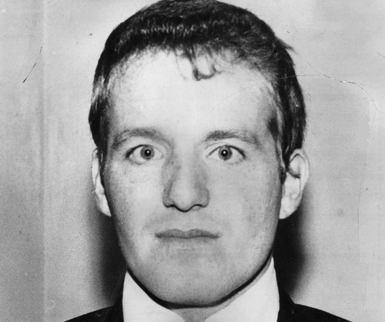
Patrick Power was a 41-year-old unemployed Irish laborer and a former soldier with over twenty years of service. He had been lodging with the Sykes family in Manchester for several months. Despite his claims of financial hardship, records indicated he held a bank balance of approximately £40, suggesting the motive was not rooted in absolute poverty.
2. Crime Spree
On April 11, 1925, after being threatened with eviction by Mr. Sykes over an unpaid £5 loan, Power attacked Sarah Ann Sykes. The assault was described as frenzied, involving both a hammer and a knife, resulting in massive injuries to the victim, whose body was discovered hidden under a piano.
3. Investigation and Arrest
Power surrendered himself to the Pendleton police station in Salford on the same day as the murder. He claimed to have no recollection of the events, yet the physical evidence at the scene was overwhelming. Police officers confirmed the brutality of the attack upon arriving at the residence.
4. Legal Proceedings and Outcome
During his trial at the Manchester Assizes on May 8, 1925, the defense argued that Power was suffering from a mind distorted by spiritualism, seeking a verdict of 'guilty but insane.' The court rejected this defense, finding him fully responsible for his actions.
5. Forensic Conclusion
Patrick Power was sentenced to death. He was executed by hanging on May 26, 1925, at the hands of the executioner William Willis, marking the final resolution of the case.