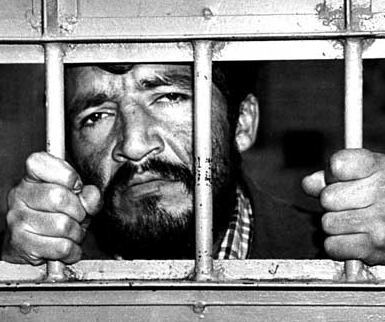




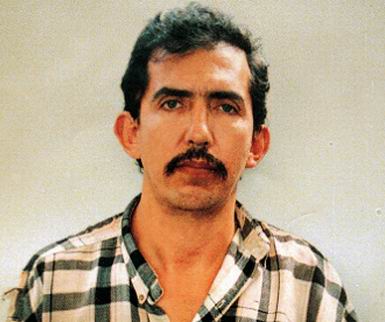
Forensic & Criminological Matrix
| Parameter | Forensic Detail |
|---|---|
| Full Legal Name | Pedro Alonso López |
| Media Moniker | The Monster of the Andes |
| Nationality | Colombian |
| Date of Birth | October 8, 1948, Santa Isabel, Tolima, Colombia |
| Current Penal Status | Fugitive / At Large; released from custody in 1998 after psychiatric evaluation; active Interpol Red Notice |
| Confirmed Murder Victims | 110 young girls (remains forensically unearthed and identified in Ecuador alone) |
| Confessed / Suspected Victims | Over 300 indigenous girls across Colombia (~100), Peru (~100), and Ecuador (110) |
| Active Criminal Span | 1969 – March 1980 (over a decade of trans-Andean predation) |
| Geographic Jurisdiction | Andean mountain corridor: Tolima/Cundinamarca (Colombia), Huancayo/Ayacucho (Peru), Ambato/Tungurahua (Ecuador) |
| Forensic Lethal Mechanics | Mechanical asphyxiation via manual throttling or thin cord ligature while maintaining eye contact |
| Victimological Profile | Vulnerable indigenous and peasant girls aged 8 to 13 |
| Primary Criminal Motive | Extreme psychopathic sadism, predatory pedophilia, and deep-seated misogynistic revenge for childhood abuse |
1. Criminological Trajectory and Sociopathic Genesis
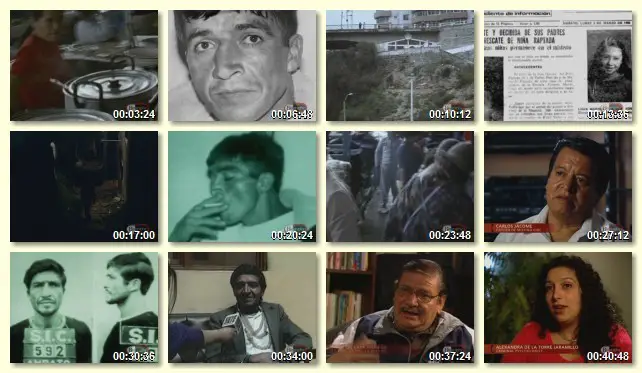
Pedro Alonso López ranks among the deadliest convicted serial predators of children in recorded world history. Born into dire poverty in Tolima, Colombia, the son of a sex worker with thirteen children, López suffered severe domestic neglect and was sexually violated by relatives at age eight, leading to his homelessness in Bogotá.
Institutionalized in juvenile orphanages, he suffered relentless abuse. Sentenced at 18 to La Modelo Penitentiary for auto theft, López was subjected to a brutal gang rape by four inmates; he subsequently retaliated by killing his attackers inside the prison. This relentless exposure to violence forged an extreme antisocial personality disorder characterized by grandiose narcissism, complete lack of empathy, and an obsessive homicidal urge to eliminate "innocent females before they become corrupt."
2. The Trans-Andean Homicidal Campaign (1978–1980)
López operated along the remote Andean spine of South America, exploiting international borders and the systemic marginalization of indigenous communities:
- Colombian Phase (1978): Targeted peasant girls in rural valleys, claiming approximately 100 victims prior to fleeing southward.
- Peruvian Phase (1978–1979): Stalked Quechua-speaking children in open-air markets across Huancayo, Ayacucho, and Cuzco, claiming over 100 murders. Captured by indigenous villagers who attempted to burn him alive, Peruvian police intervened but ultimately deported him across the border without filing formal charges.
- Ecuadorian Phase (1979–1980): Established residency in Ambato, Tungurahua province. Patrolled indigenous textile fairs and produce markets, luring young girls with cheap candy, plastic hairpins, and trinkets.
3. Modus Operandi and Forensic Signature
López's operational methodology remained chillingly consistent:
- Once isolated in remote ravines or river canyons, he restrained the child, ripped her garments, and subjected her to violent sexual assault.
- He slowly strangled the victims manually or with a braided ligature. In judicial confessions, López described looking into his victims' eyes as they suffocated, stating he experienced divine omnipotence watching "the life fade from their retinas."
- He buried the remains in shallow trenches along sandy river embankments and eucalyptus groves.
4. Apprehension in Ambato and Mass Excavations (1980)
López's spree ended in March 1980 in the Ambato central market:
- An attempted abduction of an indigenous vendor's daughter was foiled when the mother shouted for help. An enraged mob of market vendors seized López, beating him severely before police intervened.
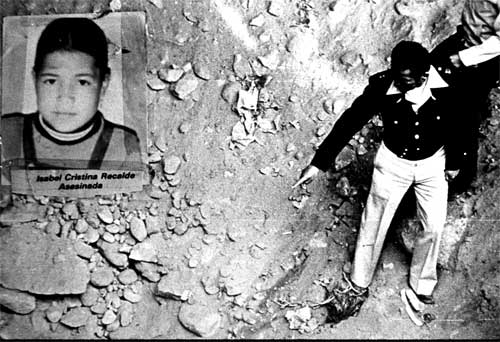
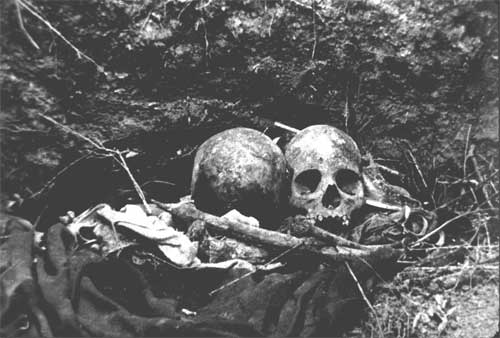
- Interrogated regarding dozens of unsolved child disappearances across Tungurahua, a flash flood exposed a child's skeleton on an embankment, triggering López's unprompted confession: "I am the greatest killer of the century."
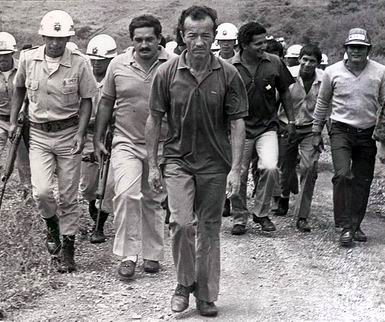
- Over weeks of field recovery, López guided forensic excavators to mass burial sites across Ambato, recovering 110 child cadavers.
5. Incarceration, Controversial Release, and International Manhunt
Under Ecuador's statutory maximum at the time, López was sentenced to 16 years imprisonment in 1980.
Released early for prison work credits in 1994, he was deported to Colombia to face outstanding murder warrants. In 1998, Colombian psychiatric evaluators at Soacha declared him non-dangerous, granting him conditional discharge on a $50 bail bond.
Upon release, Pedro Alonso López disappeared entirely from public records. Following a 2002 murder in Colombia matching his precise signature, Interpol issued an international Red Notice for his arrest. Whether deceased or living under false identities, his ultimate fate remains one of international criminology's most disturbing unsolved mysteries.