

Forensic & Criminological Matrix
| Parameter | Forensic Detail |
|---|---|
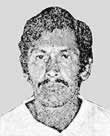
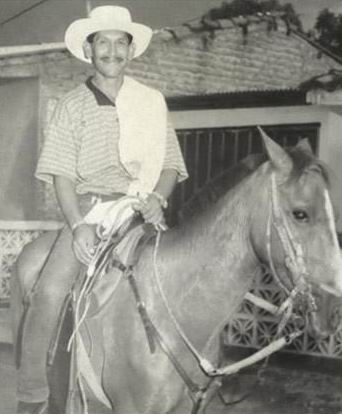
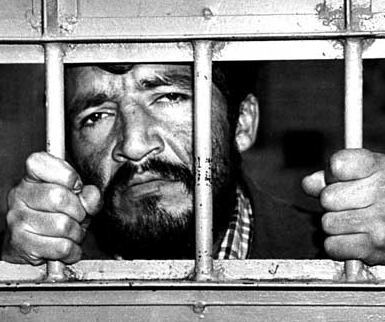
| Full Legal Name | Manuel Octavio Bermúdez |
| Media Monikers | The Monster of the Cane Fields (El Monstruo de los Cañaduzales), The Garavito Copycat |
| Nationality | Colombian |
| Date of Birth | October 15, 1961, Trujillo, Valle del Cauca, Colombia |
| Date of Death | Alive (incarcerated at La Tramacúa High-Security Prison, Valledupar) |
| Historical Penal Status | Sentenced to 40 years of imprisonment on March 20, 2004 for aggravated homicide, violent carnal access, and kidnapping |
| Confirmed Murder Victims | 21 child victims confessed and forensically identified (investigated in over 30 vanishings) |
| Active Criminal Span | 1999 to July 2003 |
| Geographic Jurisdiction | Valle del Cauca Department, Colombia (Pradera, Palmira, Florida, Candelaria, El Cerrito) |
| Victim Demographics | Impoverished rural boys aged 6 to 13 years old |
| Lethal Modus Operandi | Posing as an itinerant bicycle ice cream vendor; luring children with candy and cash into sugarcane fields; binding with nylon cords, violent anal rape, and mechanical strangulation with tourniquets |
| Diagnostic Motive | Severe sadistic pedophilia, reactive necrophilia, and pathological mimetic emulation of serial killer Luis Alfredo Garavito |
1. Criminological Trajectory and Sociopathic Genesis
Manuel Octavio Bermúdez was raised in the agrarian Valle del Cauca basin amid extreme socioeconomic deprivation and acute familial violence. Throughout his youth and adult life, he drifted through precarious agricultural labor, harvesting sugar cane and ultimately working as an independent street vendor selling ice creams and popsicles from a modified bicycle.
In late 1999, following the sensational capture of Colombia's most prolific child predator, Luis Alfredo Garavito ("The Beast"), Bermúdez developed a pathological obsession with Garavito's notoriety. He maintained scrapbooks of press clippings and resolved to emulate Garavito's predatory routine across the dense sugarcane plantations of the Cauca valley.
2. Predatory Modus Operandi
Between 1999 and July 2003, Bermúdez executed a systematic predatory cycle across multiple agrarian municipalities:
- The Vendor Disguise: Pedaling his bicycle outfitted with an insulated cooler box along rural school routes and dirt trails, Bermúdez cultivated a harmless, friendly demeanor that disarmed young boys.
- Enticement and Seclusion: He targeted vulnerable, unsupervised children, offering them monetary tips (10,000 to 15,000 Colombian pesos) or asking for minor assistance hauling fruit into sugarcane plantations. The sugarcane stalks, standing over three meters tall, provided complete visual obstruction.
- Subjugation and Carnal Assault: Once deep within the cane fields, Bermúdez brandished a knife, immobilized the child's wrists and ankles behind their back using nylon cords or torn clothing, and subjected them to violent sexual assaults.
- Mechanical Strangulation: To eliminate witnesses, he gagged the victims and strangled them to death using cord tourniquets or manual compression. He abandoned the corpses amid dry cane debris, where tropical heat, humidity, and scavengers rapidly accelerated skeletonization.
3. Investigation and Apprehension
The progressive vanishing of dozens of boys across Palmira, Florida, and Pradera alerted regional law enforcement by 2002. Colombia's Technical Investigation Corps (CTI) analyzed cross-jurisdictional disappearance reports and isolated a consistent pattern: multiple missing boys had last been seen conversing with an itinerant popsicle seller on a bicycle.
- In July 2003, a boy escaped Bermúdez's clutches and provided investigators with an accurate facial composite and specific physical identifiers of the vendor's bicycle.
- On July 18, 2003, CTI detectives executed a coordinated stakeout in rural Pradera, capturing Bermúdez in flagrante as he attempted to lure another young boy into a plantation.
- Searches of his gear revealed nylon ligatures matching crime-scene evidence, condoms, and extensive press scrapbooks detailing child homicides.
4. Confession and Maximum Sentencing
Under interrogation, Bermúdez confessed with detached calm to raping and murdering 21 children. Escorted by forensic teams into the agricultural expanses of Palmira and Candelaria, he directed searchers to clandestine graves and scattered skeletal remains, enabling definitive osteological and DNA identification.
During forensic debriefings, he openly confirmed his competitive drive toward Luis Alfredo Garavito: "I wanted to be more famous than him; I wanted to surpass his record."
On March 20, 2004, the Second Penal Circuit Court of Palmira handed down the statutory maximum sentence allowable under Colombian penal code: 40 years of imprisonment for aggravated homicide, aggravated sexual assault, and aggravated kidnapping. He was transferred to La Tramacúa High-Security Prison in Valledupar, where he remains incarcerated under permanent surveillance.