

Forensic & Criminological Matrix
| Parameter | Forensic Detail |
|---|---|
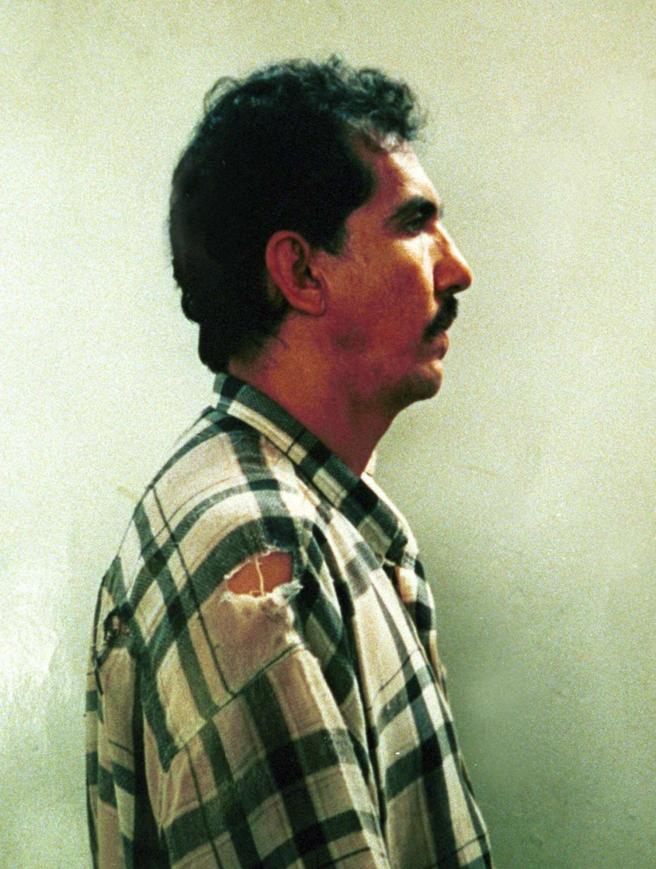
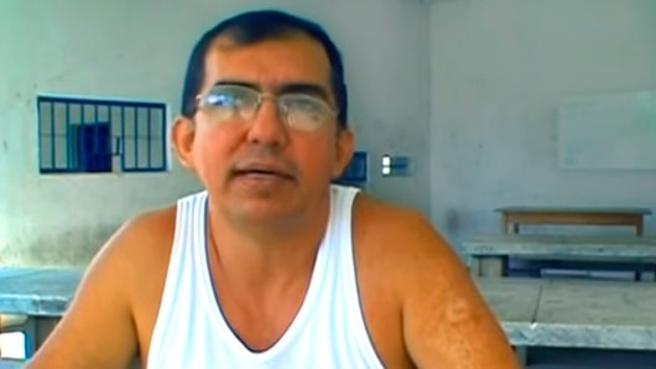
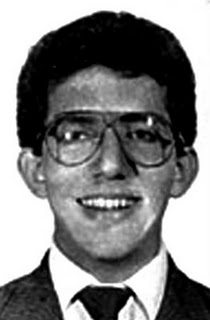
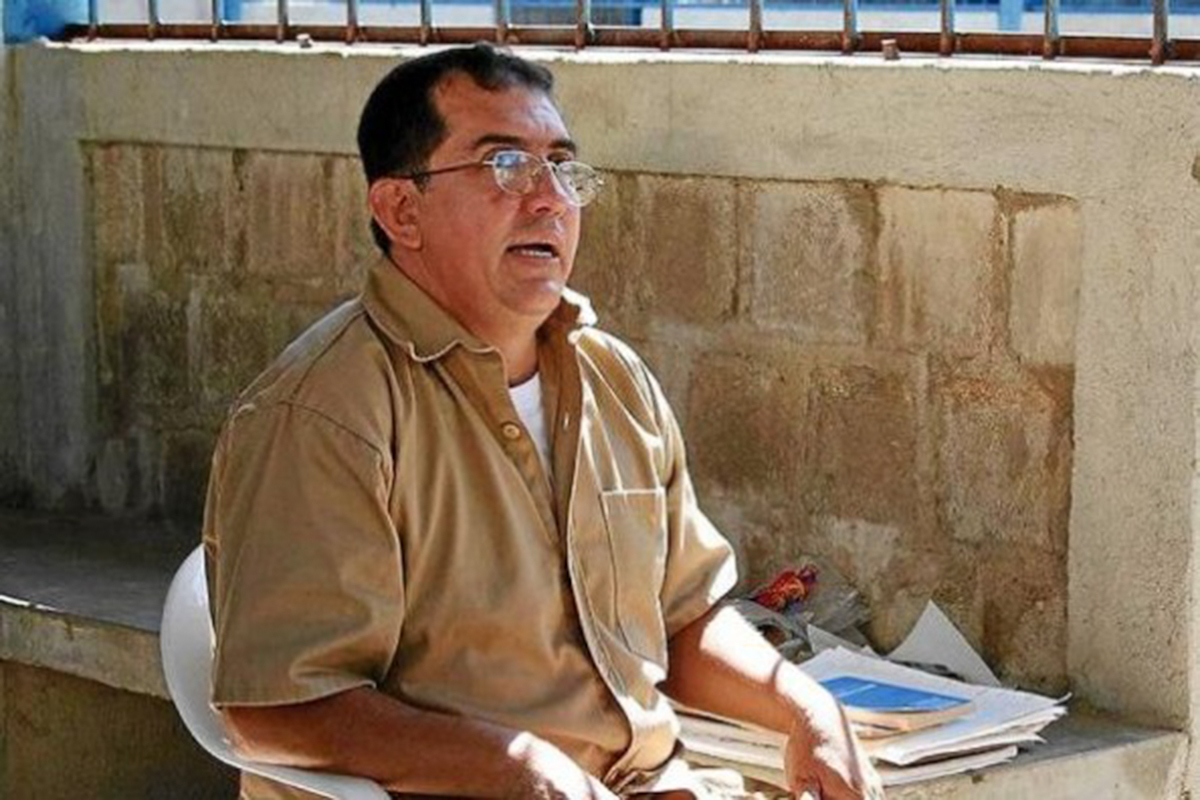
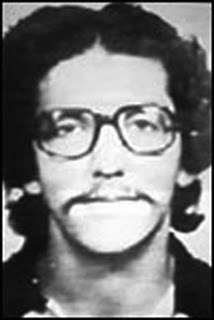
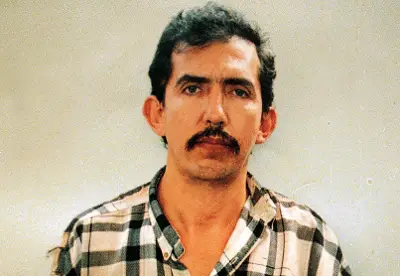
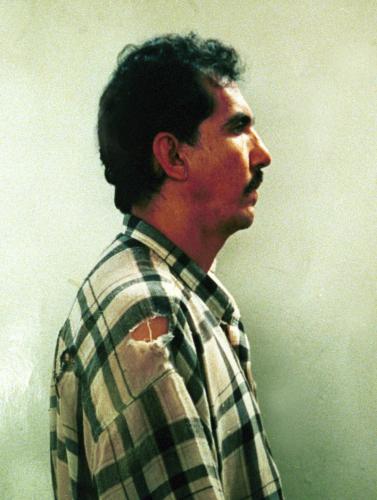
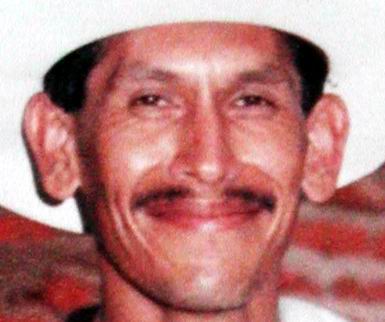
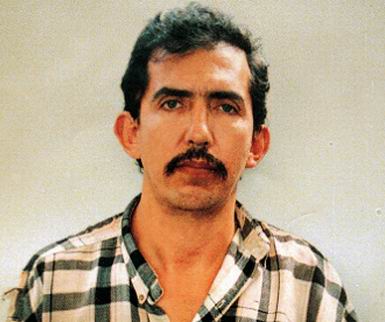
| Full Legal Name | Luis Alfredo Garavito Cubillos |
| Media Monikers | The Beast (La Bestia), The Monster of Génova, Tribilín |
| Nationality | Colombian |
| Date of Birth | January 25, 1957, Génova, Quindío, Colombia |
| Date of Death | October 12, 2023 (aged 66, chronic myeloid leukemia and orbital cancer at San Jerónimo Hospital, Montería) |
| Historical Penal Status | Sentenced cumulatively to 1,853 years imprisonment (statutorily capped at Colombia's maximum 40-year confinement ceiling, later adjusted to ~28 years effective service under plea deals) |
| Confirmed Murder Victims | 186 young boys and adolescents (verified through forensic exhumation and judicial DNA matching) |
| Confessed / Suspected Murder Victims | 200 to over 300 male youths across Colombia, Ecuador, and Venezuela |
| Active Criminal Span | Circa 1992 – April 1999 (seven-year systematic child predator campaign) |
| Geographic Jurisdiction | 59+ municipalities across 11 Colombian departments (Quindío, Risaralda, Valle del Cauca, Cundinamarca, Cesar, Meta) and border sectors |
| Lethal Weaponry / Mechanics | Slashing weapons (folding knives, kitchen knives) for deep jugular transection; nylon cords for bondage; mechanical asphyxiation |
| Victimological Profile | Impoverished, disenfranchised boys aged 6 to 16: street vendors, shoe-shine youths, peasant schoolchildren, and orphans |
| Primary Criminal Motive | Extreme paraphilic sexual sadism, predatory pedophilia, catastrophic psychopathic retaliation for childhood abuse, and destructive omnipotence |
1. Criminological Trajectory and Sociopathic Genesis
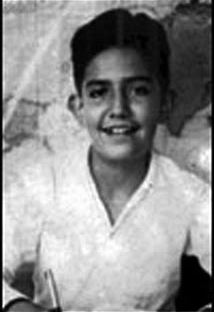
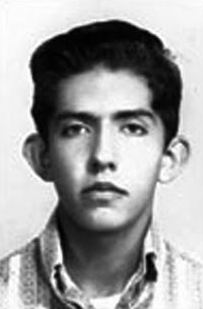
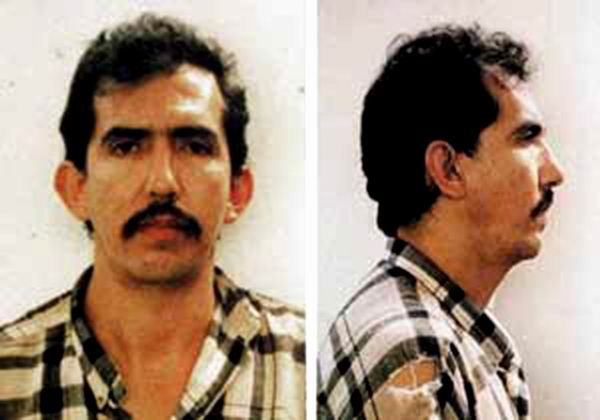
Luis Alfredo Garavito Cubillos is documented in international forensic literature and FBI behavioral analysis as the deadliest convicted serial killer of children in modern global history. Raised in rural Génova, Quindío, Garavito suffered severe maternal neglect, savage physical beatings from his father, and repeated sexual abuse by adult neighbors.
These severe childhood traumas formed a primary psychopathic architecture combined with severe alcoholism, profound feelings of inadequacy, and a homicidal sadomasochistic pedophilic fixation. Garavito projected his inner helplessness and rage exclusively upon vulnerable male youths who resembled his former childhood self.
2. Modus Operandi and Predatory Mechanics
Garavito operated with sophisticated predatory planning, social manipulation, and geographic nomadism:
- Camouflage and Disguises: He adopted diverse deceptive personas: disabled veteran, Catholic friar, itinerant street peddler, elderly beggar, or educational survey taker representing bogus child welfare foundations.
- Enticement: He targeted working-class boys in busy municipal squares, bus depots, and rural pathways. He lured them by offering small cash stipends, sodas, or meals in exchange for helping him carry cargo or perform minor errands.
- Seclusion to Wilderness Thickets: He guided victims on long treks into isolated terrain—sugarcane plantations, dense coffee groves, riverbanks, or ravine hillsides.
- Ritual Bondage and Sadistic Torment: In absolute isolation, Garavito restrained the boy's limbs with yellow nylon cords carried in his rucksack. Heavily intoxicated on high-proof local liquor (aguardiente), he subjected the child to prolonged sexual torture, genital mutilation, and bite marks.
- Decapitation and Concealment: To prevent disclosure, he slashed the victim's carotid artery or severed the neck vertebrae, concealing the bodies under brush or shallow dirt trenches.
3. The Task Force Investigation and Apprehension (1997–1999)
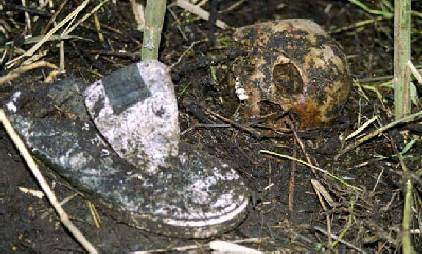
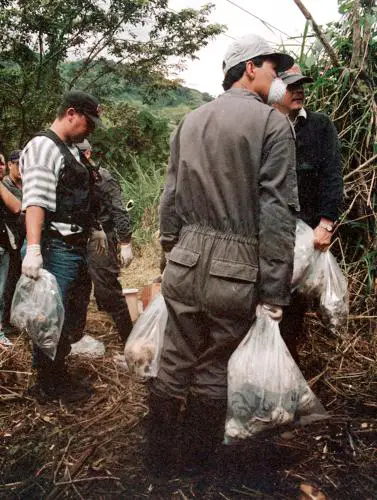
For years, fragmented local police forces failed to connect disparate missing-children reports across various provinces. The breakthrough emerged in late 1997 in Pereira, Risaralda, when agricultural laborers unearthed a mass burial containing 36 skeletal remains at La Julia.
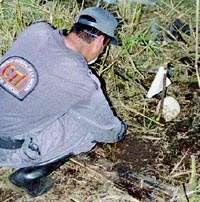
The Colombian Attorney General's Office established a specialized forensic elite unit within the Technical Investigation Corps (CTI) alongside National Police detectives:
- Criminalists identified unique signature hallmarks: specialized marine knots on yellow nylon ligatures, clean knife cuts on the cervical vertebrae, and discarded liquor bottles.
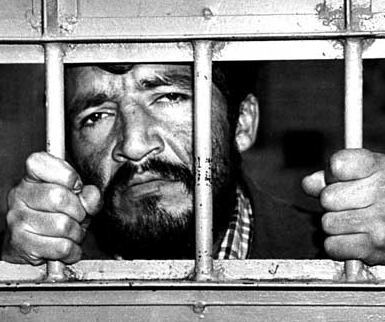
- On April 22, 1999, following an attempted abduction in a cane field near Villavicencio, Meta, an observant local alerted police, leading to Garavito's arrest as a suspected vagrant prowler.
- A search of his temporary boarding room in Cali yielded the key evidentiary treasure: a backpack with wigs, false IDs, newspaper clippings of unearthed bodies, and a small notebook containing a coded ledger of over 140 murders recorded under the alias Tribilín.
4. Comprehensive Confession and Forensic Excavations
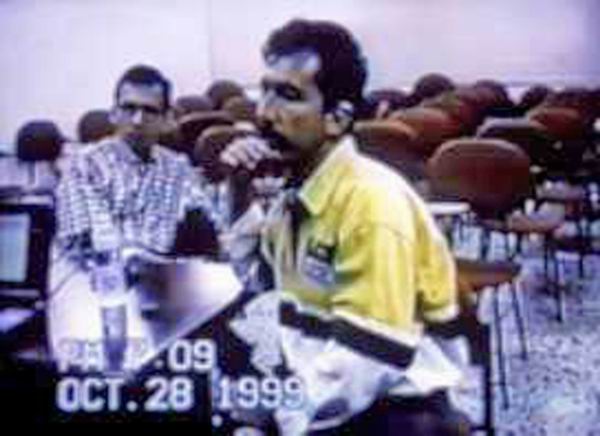
Confronted with his coded journal by CTI criminal profilers and magistrates, Garavito's defenses shattered:
- Over weeks of calm, chilling interrogations, he recited detailed accounts of dozens of slayings.
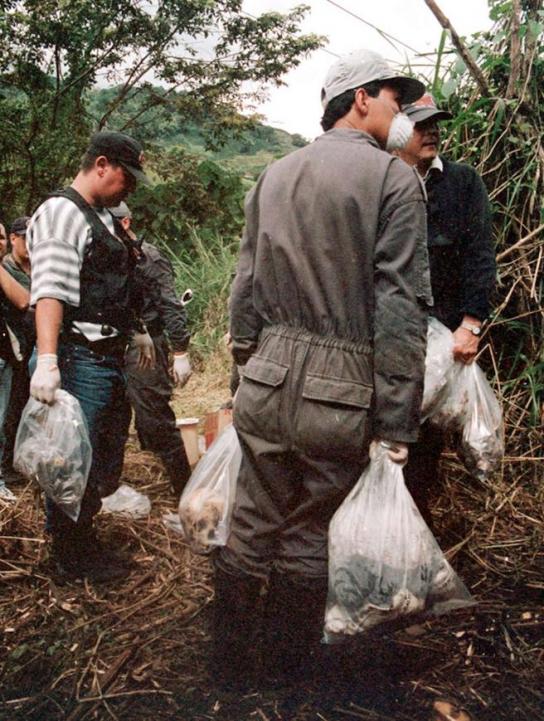
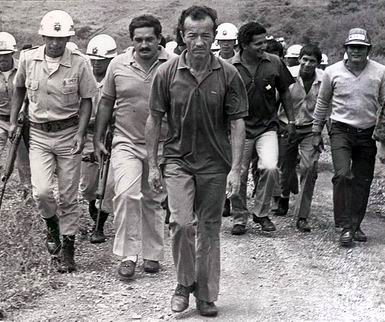
- Transported under heavy military security via helicopter across eleven departments, Garavito led forensic anthropologists to precise GPS coordinates in sugarcane plantations and mountain ridges, allowing the recovery and forensic identification of over 180 child remains.
5. Judicial Adjudication, Incarceration, and Death
Garavito received judicial sentences totaling 1,853 years and 9 days imprisonment. However, Colombian constitutional statutes imposed an absolute maximum penalty of 40 years, which was further reduced to roughly 28 years due to legal incentives for early confession and grave recovery cooperation.
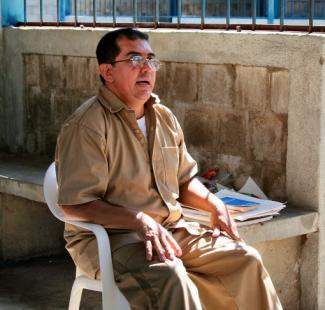
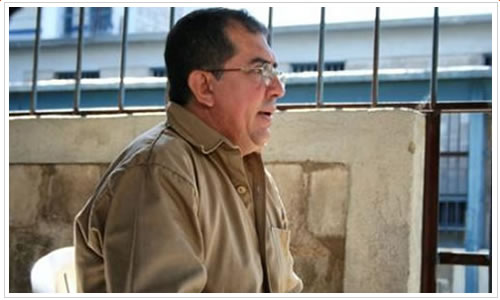
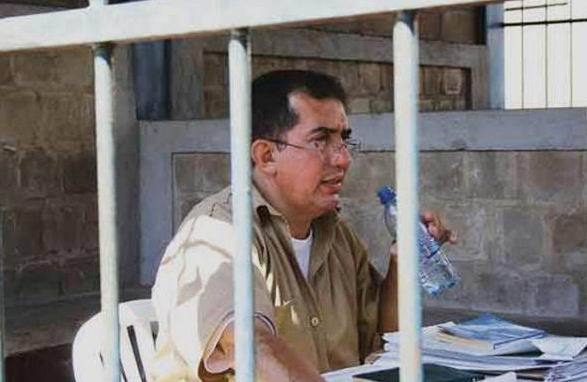
He served his term in absolute isolation at the maximum-security La Tramacúa Penitentiary in Valledupar, Cesar, under round-the-clock protective custody to prevent inmate vigilante retribution.
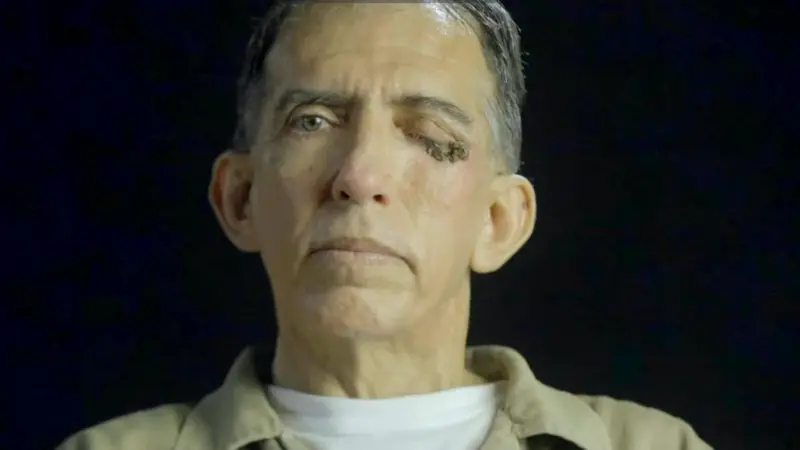
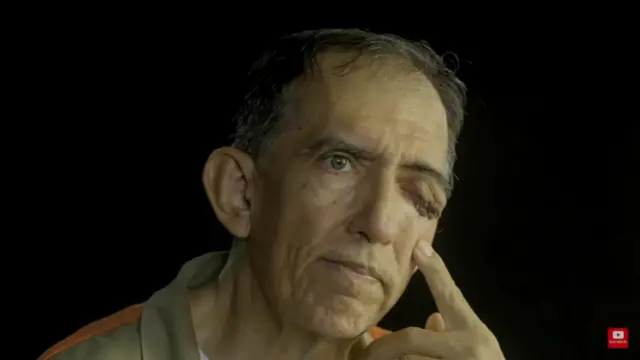
In his final years, Garavito developed chronic myeloid leukemia and orbital cancer that left him disfigured and blind in his left eye. On October 12, 2023, at age 66, Luis Alfredo Garavito died in the prison ward of San Jerónimo Hospital in Montería, closing the file on the most prolific child serial predator in modern forensic history.