Forensic & Criminological Matrix
| Parameter | Forensic Detail |
|---|---|
| Forensic Heading / Aliases | The Turban Killer |
| Legal Identity | Abul Djabar |
| Confirmed Victims | 65 |
| Attributed / Indicted Victims | 300 |
| Active Timeline | 1960s |
| Jurisdiction / Area of Operations | Afghanistan |
| Criminological Classification | Sexual Serial Killer |
| Forensic Modus Operandi | Strangulation using his own turban |
| Weapon / Mechanism of Death | Turban (strangulation) |
| Motive / Behavioral Dynamics | Sexual sadism and predatory behavior |
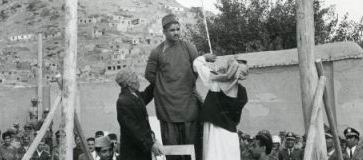
| Judicial Outcome | Executed in 1970 |
1. Background and Profile
Abul Djabar was an Afghan serial killer active during the 1960s. He is recognized as one of the most prolific serial killers in the region's history, targeting young boys and men.
2. Criminal Career and Modus Operandi
Djabar's modus operandi involved the sexual assault of his victims followed by their murder. He famously used his turban to strangle his victims, a signature method that led to his moniker, 'The Turban Killer'. While 65 murders were confirmed, authorities suspected he was responsible for up to 300 deaths.
3. Investigation and Arrest
Law enforcement agencies in Afghanistan faced significant challenges in tracking the killer due to the geographical spread of the crimes. However, forensic evidence and witness testimonies eventually led to his apprehension.
4. Legal Proceedings and Outcome
Following his arrest, Djabar was tried and convicted for his crimes. The judicial process was swift given the overwhelming evidence against him.
5. Psychiatric Assessment and Final Disposition
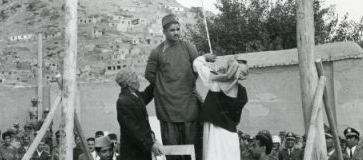
Djabar was sentenced to death and executed in 1970, marking the end of his criminal spree.