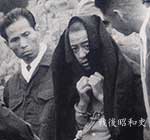




Forensic & Criminological Matrix
| Parameter | Forensic Detail |
|---|---|
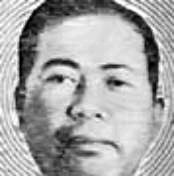
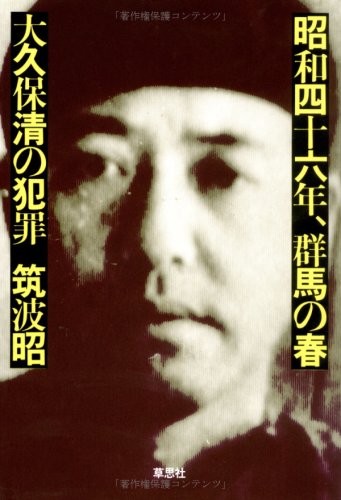
| Full Name | Kiyoshi Okubo (大久保 清) |
| Alias | The Gunma Serial Killer / The Bogus Painter |
| Date of Birth | January 17, 1935 (Takasaki, Gunma Prefecture, Japan) |
| Date of Death | January 22, 1976 (aged 41, executed by hanging) |
| Legal Status | Executed by judicial hanging |
| Crime Location | Gunma Prefecture, Kanto Region, Japan |
| Lethal Activity Period | March 31, 1971 – May 10, 1971 (41 days) |
| Criminological Typology | Organized sexual serial killer / Predatory vehicular stalker |
| Confirmed Victims | 8 young women and teenagers (aged 16–21) |
| Modus Operandi | Artistic false pretenses, abduction, sexual assault, manual strangulation, clandestine burial |
Criminological Overview
Kiyoshi Okubo ranks among post-war Japan's most notorious serial murderers. During an intense 41-day predatory spree in the spring of 1971, he abducted, sexually assaulted, and strangled eight young women in the rural mountain territory of Gunma Prefecture. The case triggered widespread public outrage, national media hysteria, and permanent operational adjustments within Japanese prefectural law enforcement.
Modus Operandi and Spree Dynamics
Okubo, who possessed prior convictions for sexual offenses and assault, developed a sophisticated lure. Driving a white Mazda Familia sedan, he patrolled suburban bus stops and rural roads, approaching young women while masquerading as an accomplished landscape painter from the Tokyo University of the Arts or a scouting fashion photographer.
Offering monetary compensation for modeling poses, Okubo persuaded victims to enter his vehicle. He then transported them into isolated mountainous terrain in the Mount Haruna and Takasaki foothills. In these secluded locations, he subjected them to violent sexual assaults, manually strangled them to eliminate witnesses, and interred their bodies in pre-dug shallow graves.
Investigation and Apprehension
The rapid succession of female disappearances triggered intensive public concern by early May 1971. A crucial lead emerged when the brother of victim Shoko Ito reported seeing a suspicious man in a white Mazda near the bus stop where his sister vanished. On May 14, 1971, Gunma Prefectural Police detained Okubo.
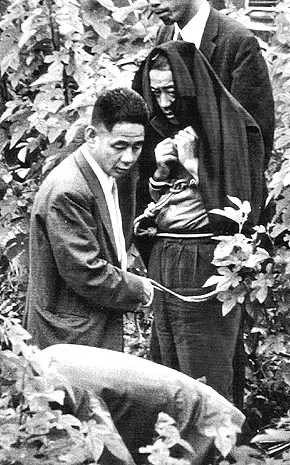
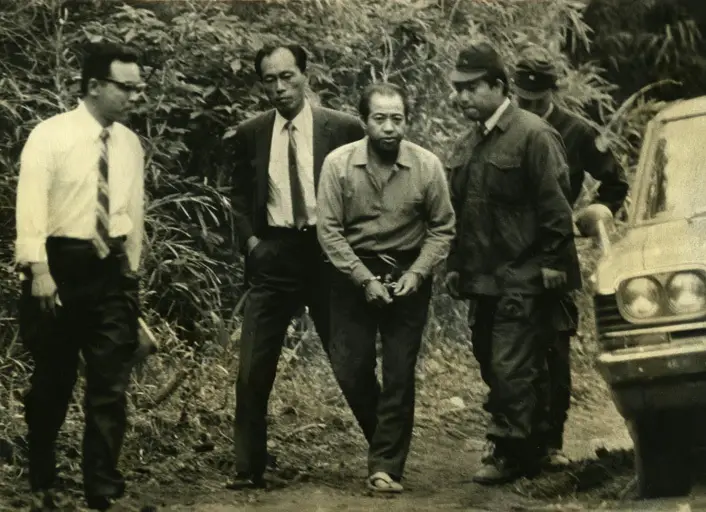
During rigorous forensic interrogation, detectives confronted him with physical evidence, including victim jewelry recovered from his residence. Okubo capitulated, confessing to all eight homicides and directing police recovery teams to each burial site across Gunma's mountain groves.
Capital Sentence and Execution
Forensic psychiatric examinations confirmed an antisocial personality disorder with acute sexual sadism, confirming his full criminal responsibility. On February 22, 1973, the Maebashi District Court sentenced Okubo to death. Refusing to file further appeals, Kiyoshi Okubo was executed by hanging at Tokyo Detention House on January 22, 1976.
Forensic archive preserved and catalogued under CRIMETECA standards.