Forensic & Criminological Matrix
| Parameter | Forensic Detail |
|---|---|
| Forensic Heading / Aliases | None |
| Legal Identity | George Henry Parker |
| Confirmed Victims | 1 |
| Attributed / Indicted Victims | 1 |
| Active Timeline | January 17, 1901 |
| Jurisdiction / Area of Operations | London, United Kingdom |
| Criminological Classification | Robbery-Murder |
| Forensic Modus Operandi | Armed robbery on a train carriage |
| Weapon / Mechanism of Death | Firearm (pistol) |
| Motive / Behavioral Dynamics | Financial / Extramarital affair |
| Judicial Outcome | Executed by hanging |
1. Background and Profile
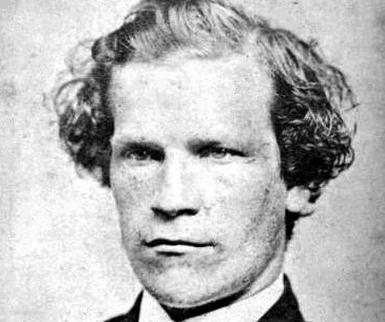
George Henry Parker, aged 23, was a former marine who had transitioned into petty crime. His profile was characterized by financial instability and a chaotic personal life, later admitting that his criminal actions were motivated by the need to fund an extramarital affair with a soldier's wife.
2. Crime Spree
On January 17, 1901, Parker boarded a London-bound train at Eastleigh. Lacking sufficient funds for the full fare, he decided to rob a fellow passenger to avoid a fine. Upon reaching Winchester, wealthy farmer William Pearson entered the carriage. Parker loaded a firearm in the lavatory, returned, and shot Pearson dead. He then shot and wounded the only witness, Mrs. King, before rifling through the victim's pockets.
3. Investigation and Arrest
Parker's capture was swift. As the train reached Vauxhall, he attempted to flee but was pursued after Mrs. King alerted authorities. Upon his arrest, police found items belonging to the deceased in his possession, providing overwhelming forensic evidence of his guilt.
4. Legal Proceedings and Outcome
Parker was tried at the Hampshire Assizes before Mr. Justice Phillimore. He was convicted based on the evidence and his own confession. He was sentenced to death and executed on March 19, 1901, at Wandsworth Prison by hangmen James and Thomas Billington.