Forensic & Criminological Matrix
| Parameter | Forensic Detail |
|---|---|
| Forensic Heading / Aliases | N/A |
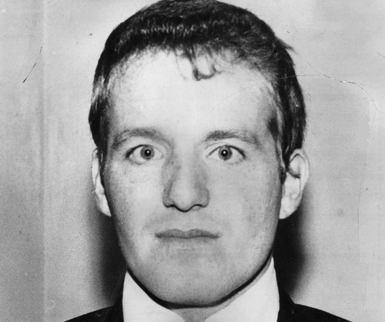
| Legal Identity | Stanislaw Myszka |
| Confirmed Victims | 1 |
| Attributed / Indicted Victims | 1 |
| Active Timeline | September 26, 1947 |
| Jurisdiction / Area of Operations | Kenmore, Perthshire, Scotland |
| Criminological Classification | Robbery-homicide offender |
| Forensic Modus Operandi | Home invasion, binding with bootlaces, blunt force trauma |
| Weapon / Mechanism of Death | Sawn-off shotgun (blunt force) |
| Motive / Behavioral Dynamics | Financial gain (theft of £90) |
| Judicial Outcome | Death sentence by hanging |
1. Background and Profile
Stanislaw Myszka was a 23-year-old Polish national and former soldier who had remained in Britain following the war. He was part of a resettlement group stationed at Taymouth Castle. He had a history of petty theft, specifically stealing a shotgun from an employer in Aberdeenshire.
2. Crime Spree
On September 26, 1947, Myszka targeted Tower Cottage near Kenmore. He brutally murdered Catherine McIntyre, a 47-year-old mother. The victim was found bound with bootlaces and gagged with a scarf. Myszka stole £90 and her wedding ring, which he later hid in his shoe.
3. Investigation and Arrest
Police discovered a hideout on the moors containing a railway ticket, a bloodstained sawn-off shotgun, and a razor blade with hair samples. Forensic analysis by Professor Glaister linked the hair to Myszka. He was apprehended on October 2, 1947, near Peterhead.
4. Legal Proceedings and Outcome
During his trial in Perth in January 1948, Myszka attempted an insanity defense, which was rejected by psychiatric experts. He was found guilty by a jury in just 20 minutes. He was executed at Perth Prison on February 6, 1948.