Forensic & Criminological Matrix
| Parameter | Forensic Detail |
|---|---|
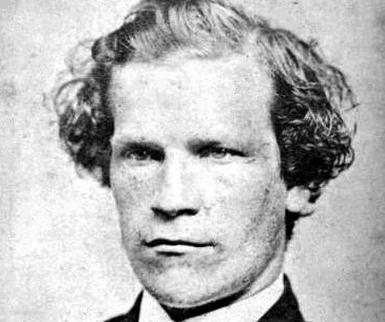
| Forensic Heading / Aliases | John Williams, The Hooded Man |
| Legal Identity | George Mackay |
| Confirmed Victims | 1 |
| Attributed / Indicted Victims | 1 |
| Active Timeline | 1912 |
| Jurisdiction / Area of Operations | Eastbourne, East Sussex, United Kingdom |
| Criminological Classification | Burglar / Homicide |
| Forensic Modus Operandi | Residential burglary and use of firearms against law enforcement |
| Weapon / Mechanism of Death | Revolver |
| Motive / Behavioral Dynamics | Financial gain and evasion of arrest |
| Judicial Outcome | Death sentence by hanging |
1. Background and Profile
George Mackay was born in 1883 to a wealthy Scottish family. He pursued a criminal career as a burglar, frequently using the alias 'John Williams' to avoid detection. He was characterized as a skilled thief who resorted to lethal force when his criminal activities were compromised.
2. Crime Spree
On October 9, 1912, Mackay attempted to burglarize the residence of Countess Flora Sztaray in Eastbourne. Upon the arrival of Inspector Arthur Walls, Mackay fired two shots, killing the officer instantly. He fled the scene, leaving behind physical evidence that would later be used in the investigation.
3. Investigation and Arrest
Edgar Power, an acquaintance of Mackay, provided the police with the suspect's identity. The police orchestrated a sting operation at Moorgate Station to apprehend Mackay. His mistress, Florence Seymour, was coerced into revealing the location of the murder weapon, which had been buried in the shingle on the beach.
4. Legal Proceedings and Outcome
The trial at Lewes Assizes became a sensation. Despite the lack of direct eyewitness testimony and Seymour's recantation, the prosecution utilized early ballistics evidence provided by Robert Churchill. Mackay was found guilty and sentenced to death. He was famously dubbed 'The Hooded Man' by the press due to the police practice of covering his head during court transit.
5. Judicial Outcome and Execution
Despite widespread public petitions and parliamentary debate regarding the fairness of the trial, the Home Secretary refused to grant clemency. George Mackay was executed by hanging at Lewes Prison on January 29, 1913.