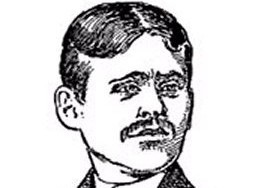
Forensic & Criminological Matrix
| Parameter | Forensic Detail |
|---|---|
| Forensic Heading / Aliases | Israel Lipski |
| Legal Identity | Israel Lobulsk |
| Confirmed Victims | 1 |
| Attributed / Indicted Victims | 1 |
| Active Timeline | 1887 |
| Jurisdiction / Area of Operations | London, United Kingdom |
| Criminological Classification | Domestic Homicide |
| Forensic Modus Operandi | Forced administration of nitric acid |
| Weapon / Mechanism of Death | Nitric acid |
| Motive / Behavioral Dynamics | Unknown |
| Judicial Outcome | Executed by hanging |
1. Background and Profile
Israel Lobulsk, known as Israel Lipski, was a Polish-Jewish immigrant living in London's East End. He worked as an umbrella stick salesman, employing associates such as Harry Schmuss and Henry Rosenbloom. His life was characterized by the socio-economic struggles typical of the immigrant population in late 19th-century London.
2. Crime Spree
On June 28, 1887, police were summoned to 16 Batty Street, where they discovered the body of Miriam Angel, who was six months pregnant. The investigation determined she had been forced to consume nitric acid. Lipski was found under the victim's bed with acid burns in his mouth, leading to his immediate arrest.
3. Investigation and Arrest
The inquest was conducted by Coroner Wynne Edwin Baxter. Lipski maintained his innocence throughout the proceedings, attempting to implicate his employees, Schmuss and Rosenbloom. However, forensic evidence and his presence at the scene rendered his defense ineffective.
4. Legal Proceedings and Outcome
The trial was highly controversial, with significant public debate regarding potential anti-Semitic bias within the judicial system. Despite appeals and the personal anti-death penalty stance of Home Secretary Henry Matthews, the conviction stood.
5. Forensic Conclusion
Lipski was executed at Newgate Prison on August 21, 1887. His name later surfaced in the context of the Jack the Ripper investigation, as the name 'Lipski' was shouted during an assault on Elizabeth Stride in 1888, leading to speculation about the name's use as an ethnic slur.