Forensic & Criminological Matrix
| Parameter | Forensic Detail |
|---|---|
| Forensic Heading / Aliases | None |
| Legal Identity | James Inglis |
| Confirmed Victims | 1 |
| Attributed / Indicted Victims | 1 |
| Active Timeline | 1951 |
| Jurisdiction / Area of Operations | Kingston upon Hull, United Kingdom |
| Criminological Classification | Occasional Homicide |
| Forensic Modus Operandi | Manual strangulation |
| Weapon / Mechanism of Death | Physical force (strangulation) |
| Motive / Behavioral Dynamics | Financial dispute |
| Judicial Outcome | Execution by hanging |
1. Background and Profile
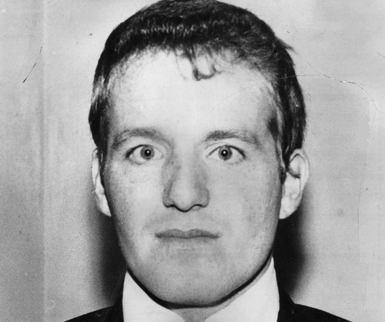
James Inglis (1922–1951) was a Scottish man whose life ended in one of the most notorious judicial episodes in 20th-century British history. Lacking a significant criminal record, his profile fits that of an impulsive individual who, following an encounter with a sex worker, escalated a minor dispute into a fatal outcome.
2. Crime Spree
On February 1, 1951, in Kingston upon Hull, Inglis had an encounter with Alice Morgan, a 50-year-old sex worker. According to forensic reports and the defendant's own confession, a violent dispute arose regarding the payment for services rendered. Inglis proceeded to strangle the victim, causing death by mechanical asphyxia.
3. Investigation and Arrest
The investigation was short due to the perpetrator's immediate confession. There was no complex manhunt, as Inglis did not attempt to hide the body or flee the jurisdiction, facilitating the work of the local Hull authorities.
4. Legal Proceedings and Outcome
Inglis was tried and, despite attempting to plead insanity as a defense strategy, the jury rejected his version of events. On April 20, 1951, Justice Ormerod sentenced him to death. As he did not appeal, the process was unusually accelerated.
5. Forensic Report and Execution
Inglis was held at Strangeways Prison. On May 8, 1951, he was executed by hangman Albert Pierrepoint and his assistant Syd Dernley. This case is remembered for being the fastest execution on record in British history: only seven seconds elapsed from the time he left his cell until the trapdoor opened, a fact documented in forensic literature and recreated in film.