Forensic & Criminological Matrix
| Parameter | Forensic Detail |
|---|---|
| Forensic Heading / Aliases | Robert William Hoolhouse |
| Legal Identity | Robert William Hoolhouse |
| Confirmed Victims | 1 |
| Attributed / Indicted Victims | 1 |
| Active Timeline | 1938 |
| Jurisdiction / Area of Operations | Wolviston, United Kingdom |
| Criminological Classification | Homicide (Potential Miscarriage of Justice) |
| Forensic Modus Operandi | Rape and stabbing in a rural setting |
| Weapon / Mechanism of Death | Edged weapon (knife) |
| Motive / Behavioral Dynamics | Revenge for employment termination |
| Judicial Outcome | Executed by hanging (Durham, 1938) |
1. Background and Profile
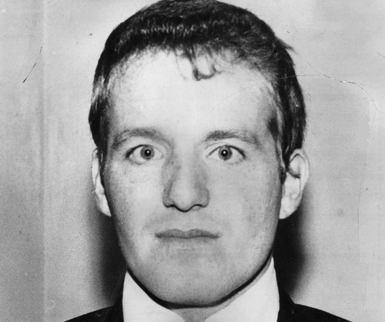
Robert William Hoolhouse was a 21-year-old agricultural laborer with a documented mental age of under fourteen. His family had previously been employed by Henry Dobson at High Grange Farm, but were dismissed following a dispute, leading to the loss of their tied cottage.
2. Crime Spree
On January 18, 1938, Margaret Jane Dobson (67) was discovered murdered in a field at High Grange Farm. She had been raped and stabbed. Police targeted Hoolhouse due to his past employment dispute and scratches on his face, which he claimed were sustained from a bicycle accident.
3. Investigation and Arrest
The investigation was marked by significant forensic failures. Key witnesses, such as Margaret Barker, were never called to testify, despite her statement that Hoolhouse had no scratches on his face when she saw him on the bus. Forensic evidence was also ignored, including the lack of semen on his clothing and a footprint found at the scene that did not match his.
4. Legal Proceedings and Outcome
The trial took place in Leeds before Mr. Justice Wrottesley. Despite the lack of concrete evidence and the presence of exculpatory footprint data, the jury returned a guilty verdict after four hours of deliberation.
5. Forensic Report and Execution
Despite a petition signed by 14,000 people and medical reports confirming his limited mental capacity, his appeal was dismissed. Robert Hoolhouse was executed by hangman Thomas Pierrepoint at Durham Prison on May 26, 1938. His case remains a prominent example of potential wrongful conviction in British legal history.