



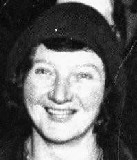

Forensic & Criminological Matrix
| Parameter | Forensic Detail |
|---|---|
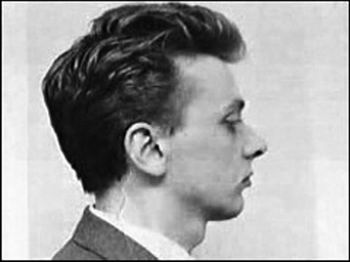
| Forensic Heading / Aliases | The Moors Murderer |
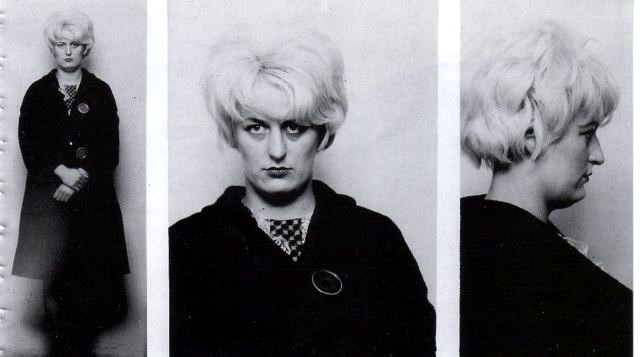
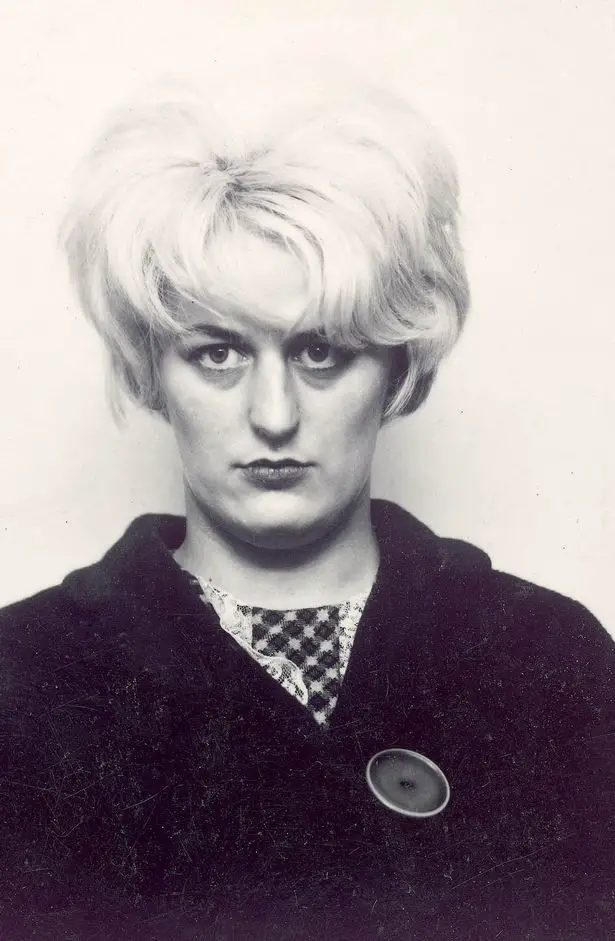
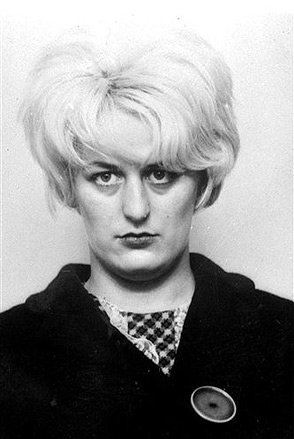
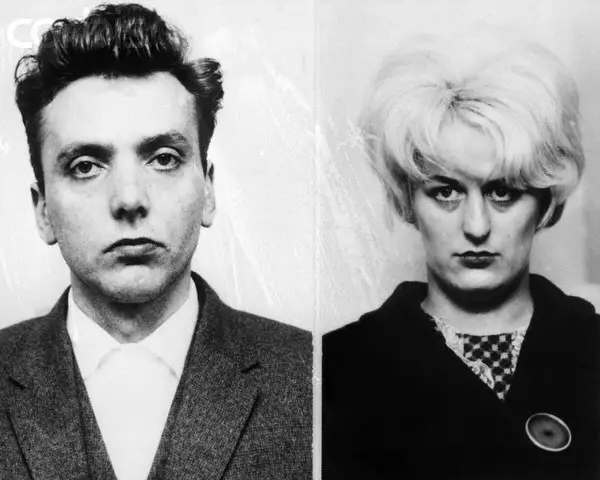
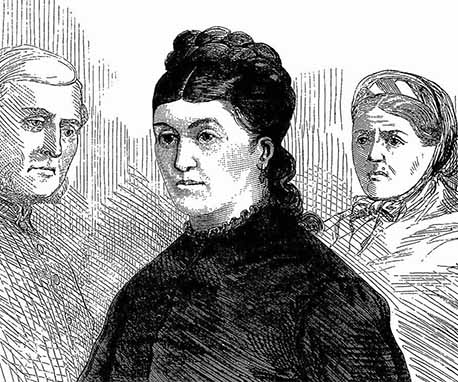
| Legal Identity | Myra Hindley |
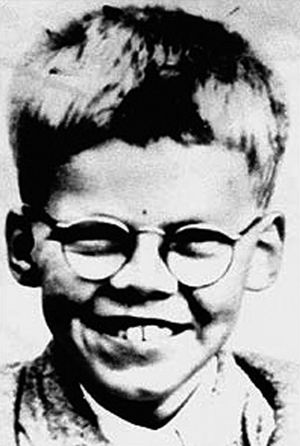
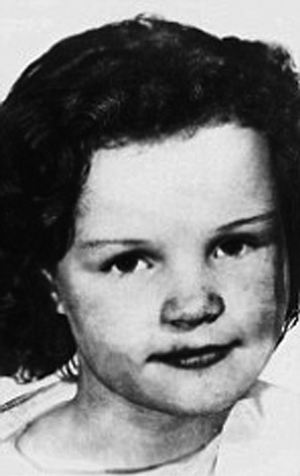
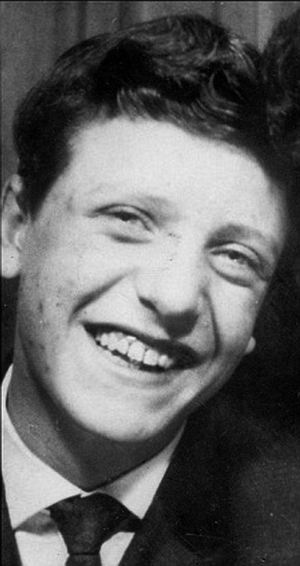
| Confirmed Victims | 5 (Pauline Reade, John Kilbride, Keith Bennett, Lesley Ann Downey, Edward Evans) |
| Active Timeline | July 1963 – October 1965 |
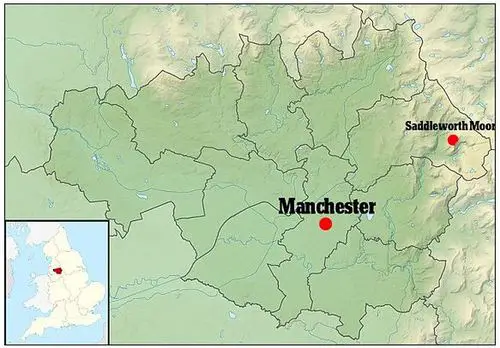
| Jurisdiction / Area of Operations | Greater Manchester and Saddleworth Moor, England |
| Criminological Classification | Shared psychosis serial killer / Accomplice |
| Forensic Modus Operandi | Luring minors using deceptive tactics, transporting them to isolated moorlands, sexual assault, strangulation or sharp-force trauma, and clandestine burial in shallow graves |
| Weapon / Mechanism of Death | Manual strangulation and knife wounds |
| Motive / Behavioral Dynamics | Sadistic deviance, shared nihilistic ideology, and compliance with Ian Brady's dominant psychopathy |
| Judicial Outcome | Life imprisonment sentenced on May 6, 1966; died in custody in 2002 without parole |
1. Background and Psychopathy
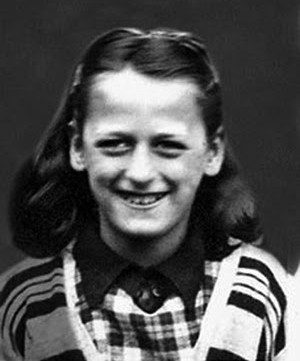
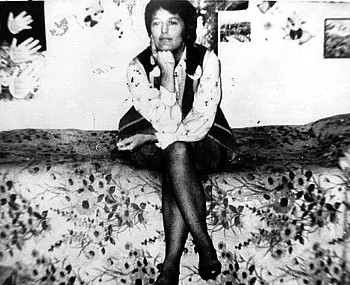
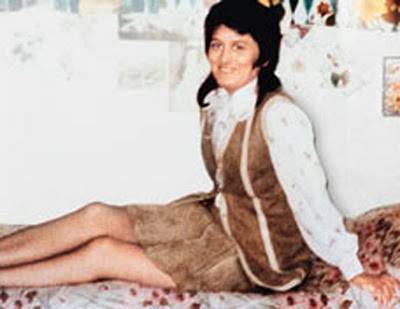
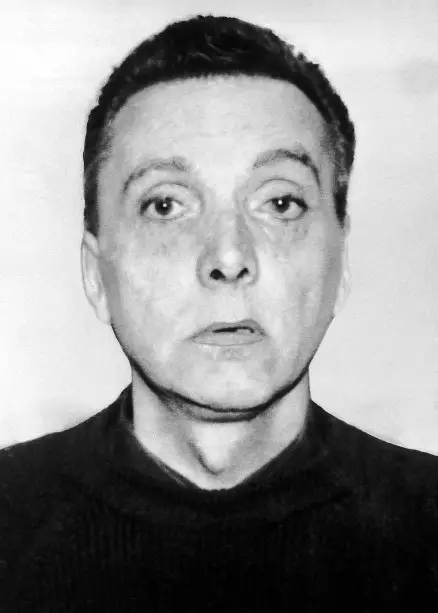
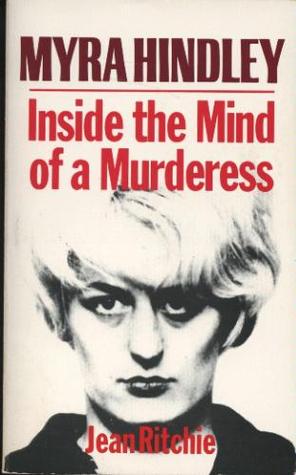
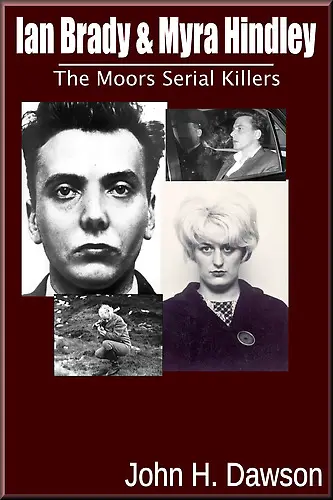
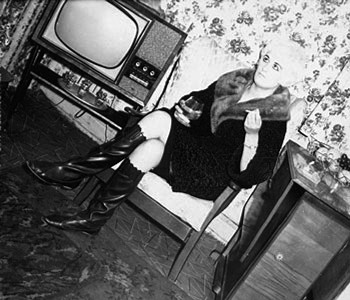
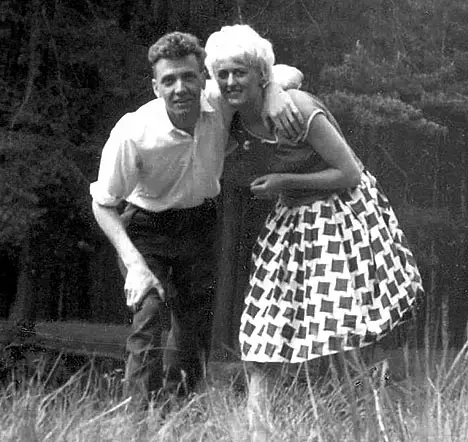
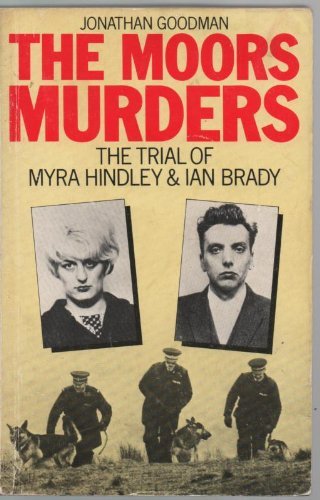
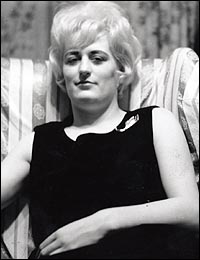
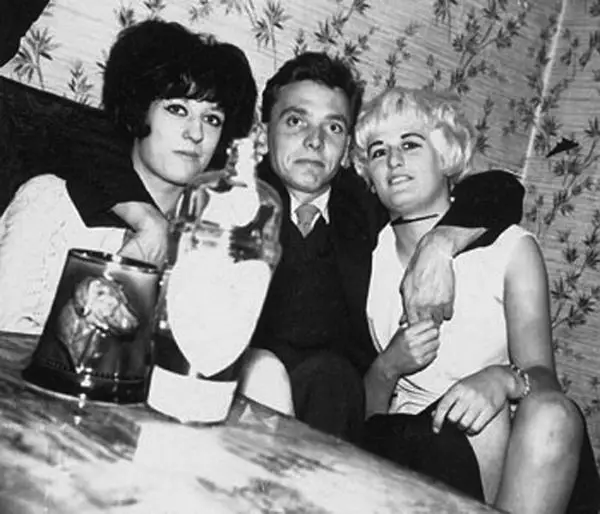
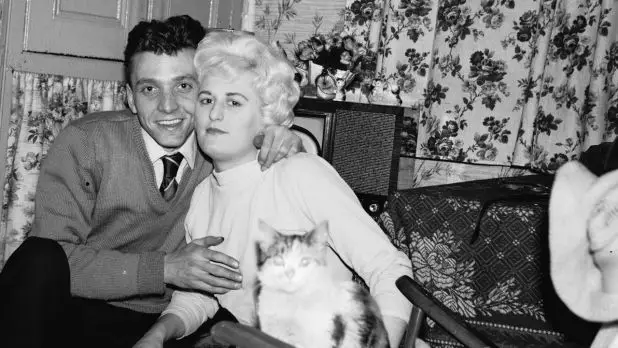
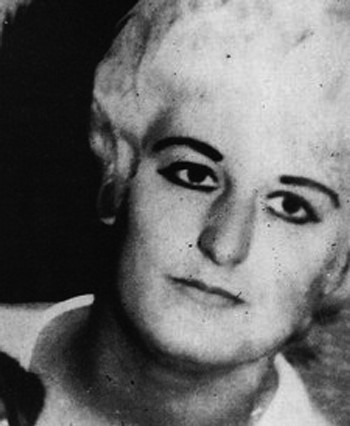
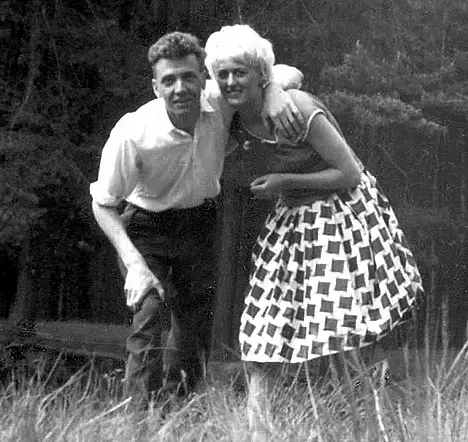
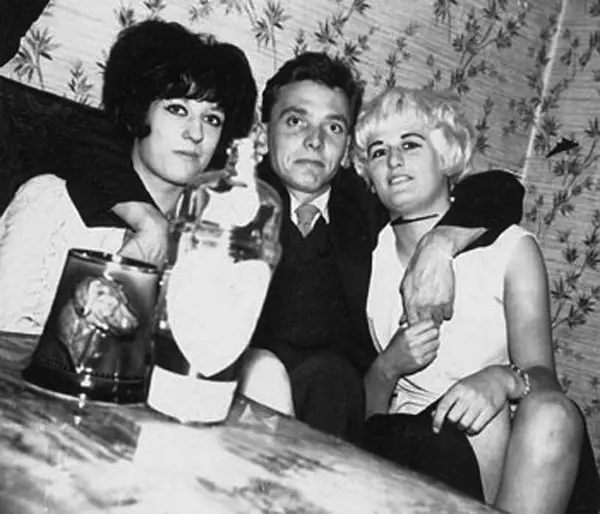
Myra Hindley was born on July 23, 1942, in Crumpsall, Manchester. Raised in a strict, emotionally austere working-class environment, she met Ian Brady during her early adulthood. She soon fell under his psychological dominance and ideological sway, adopting his misanthropic, nihilistic worldview heavily inspired by criminal literature and fascist philosophy. This dynamic forged a unique co-dependent partnership essential for executing acts of extreme violence.
2. Crime Spree
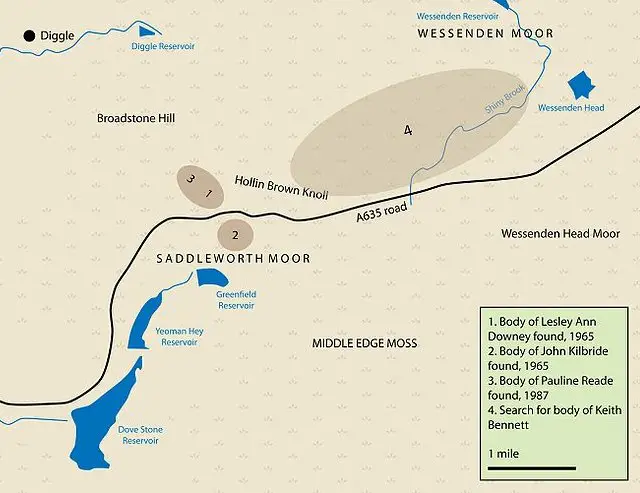
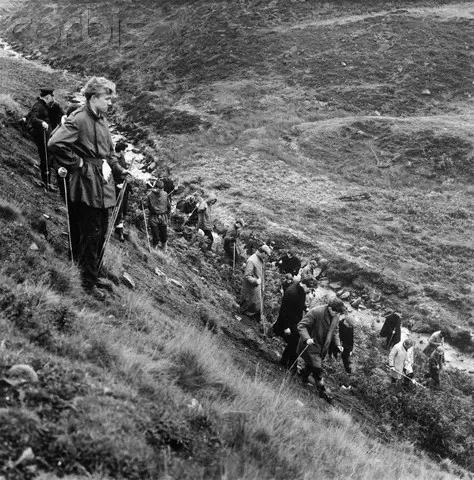
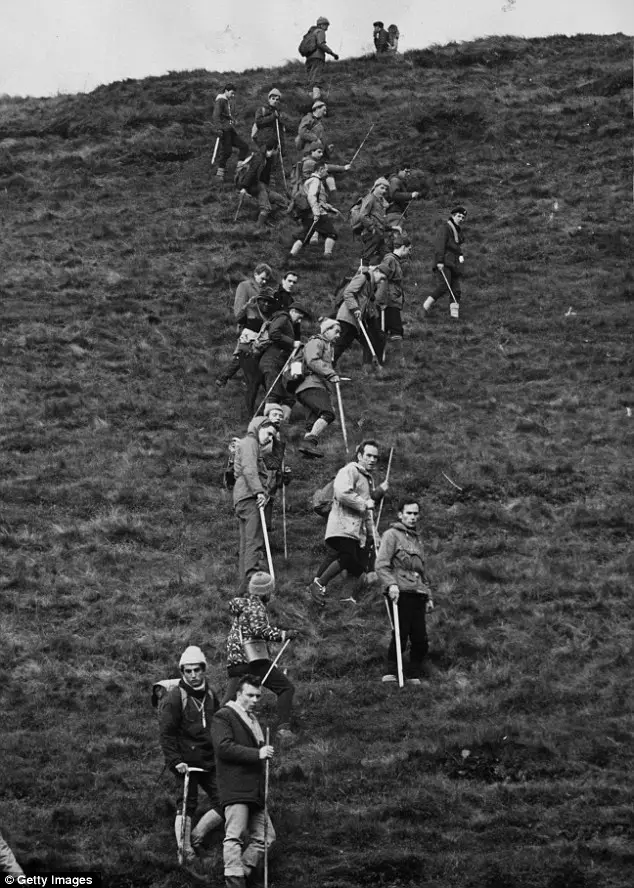
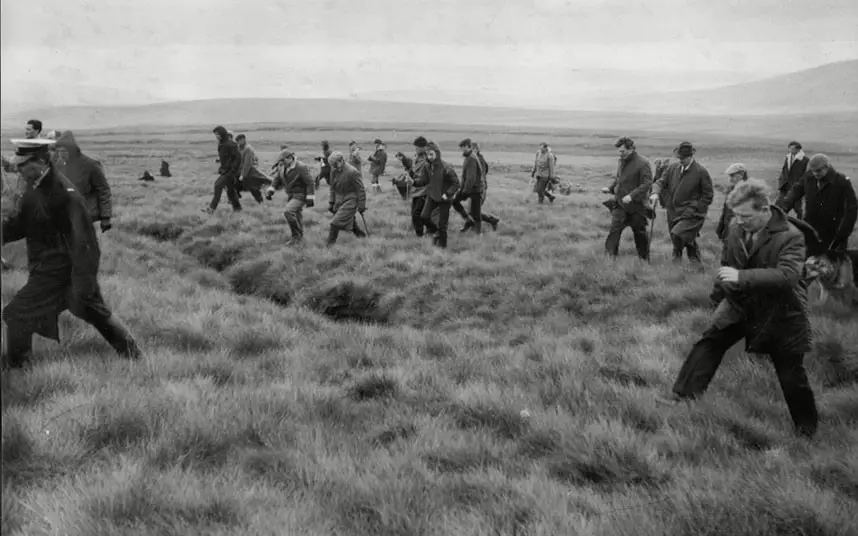
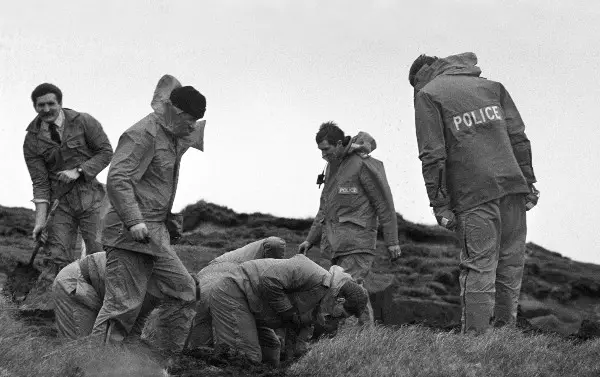
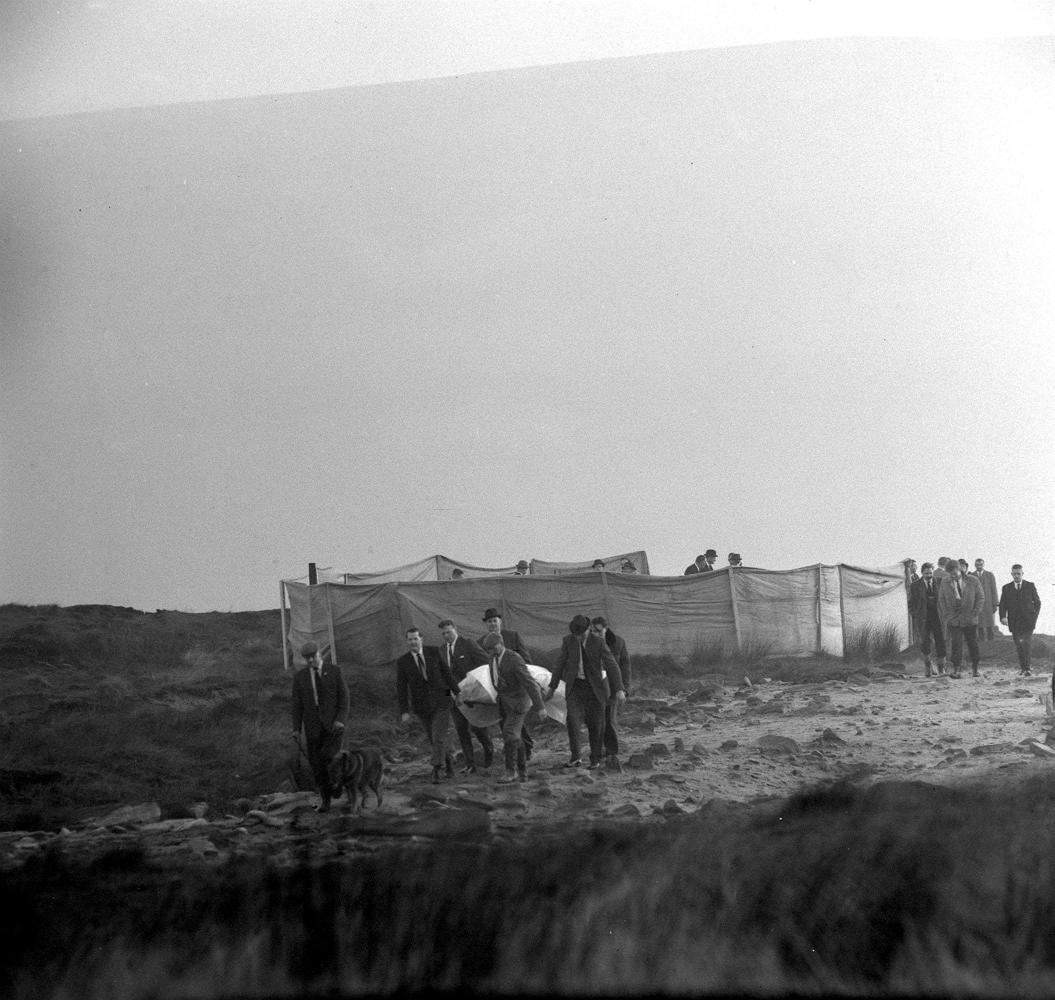
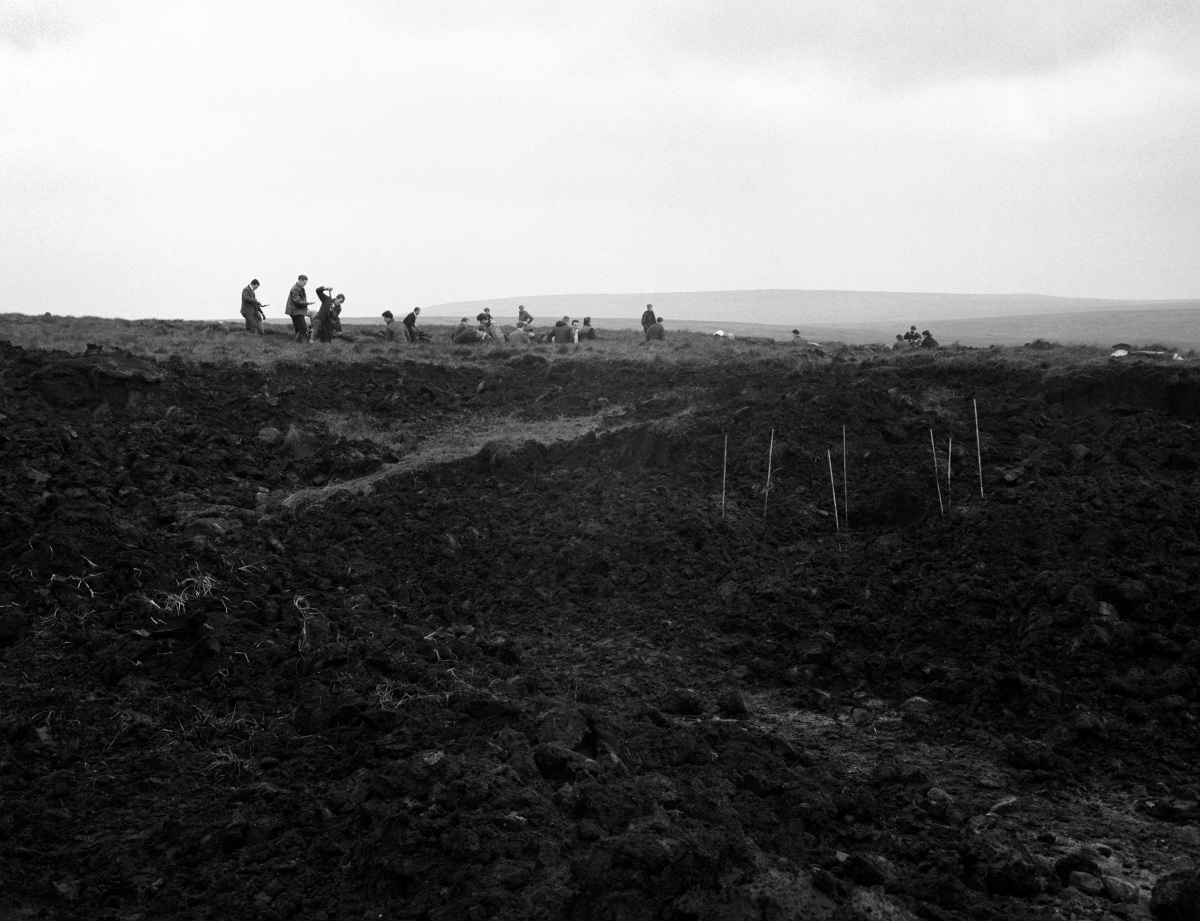
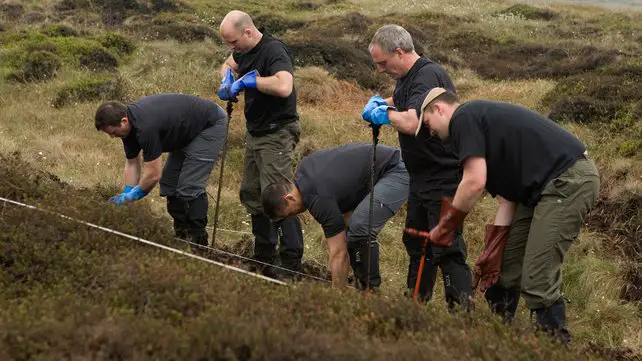
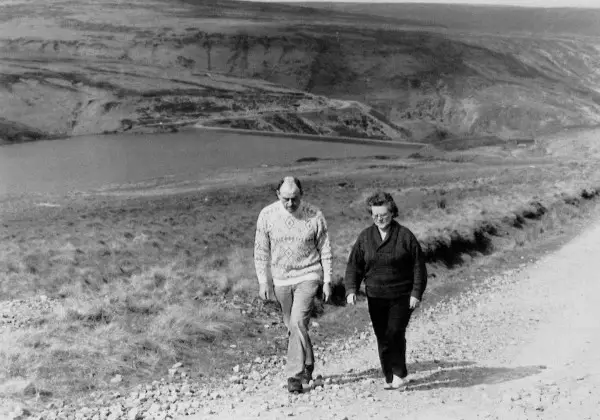
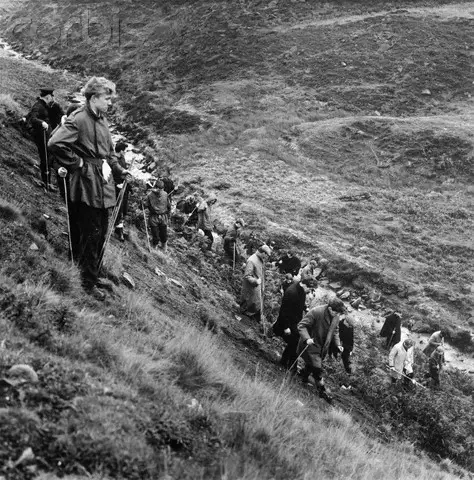
Between July 1963 and October 1965, Hindley and Brady abducted, tortured, and murdered five children aged 10 to 17 across Greater Manchester. Their operational method relied on deception—frequently deploying Hindley to disarm suspicion—followed by abduction to secluded spots. Victims were subjected to sexual assault and physical torture before being killed by strangulation or throat-cutting. Their bodies were subsequently hidden in shallow graves across the remote Saddleworth Moor.
3. Investigation and Forensic Pursuit
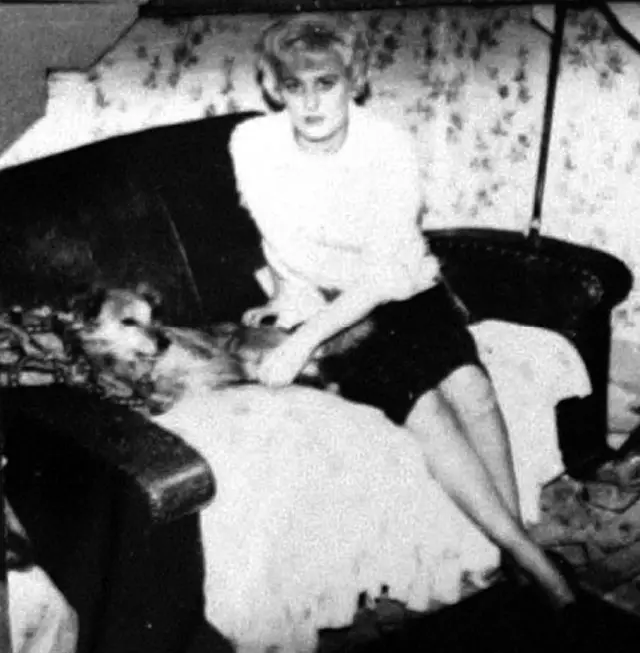
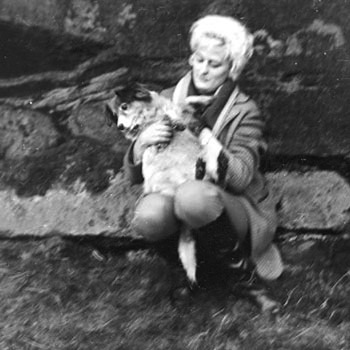
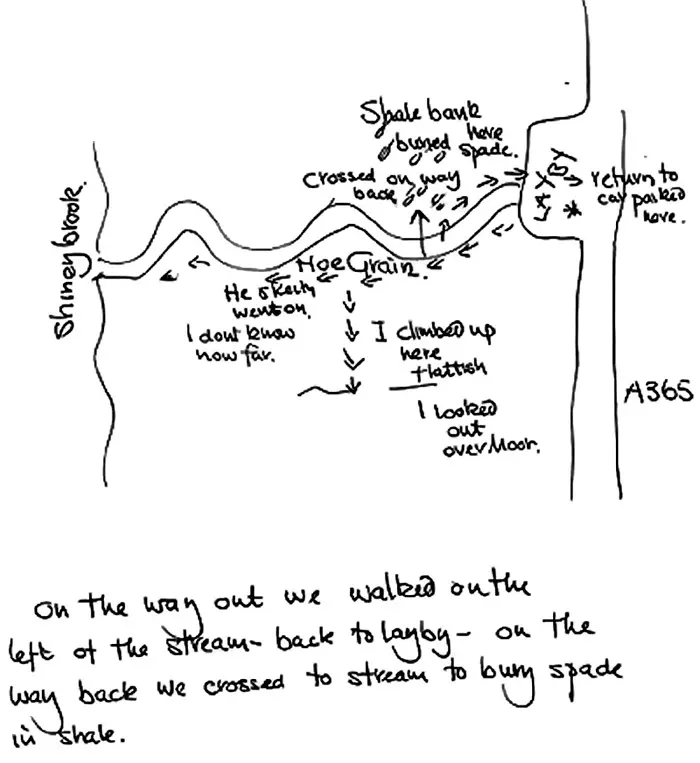
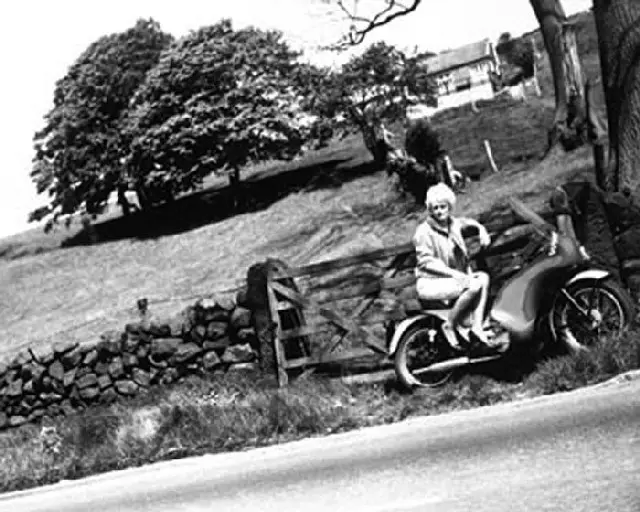
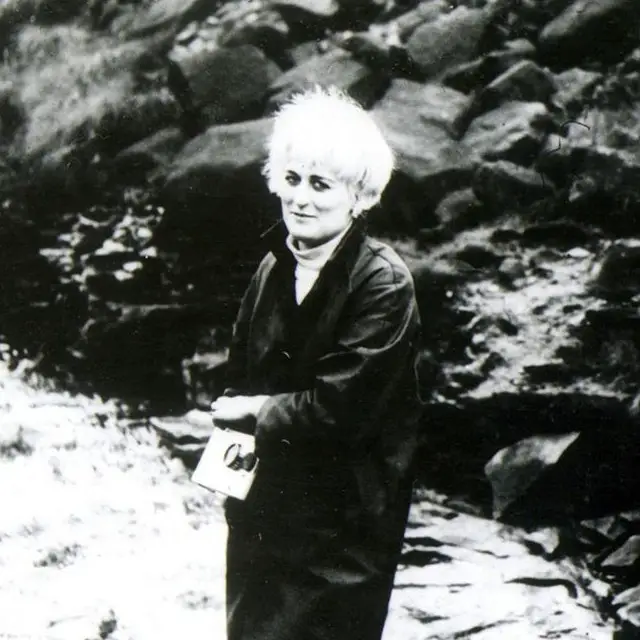
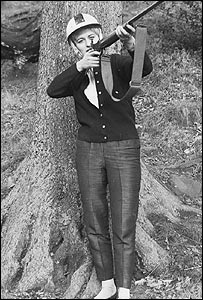
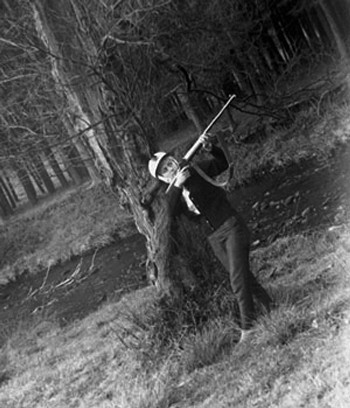
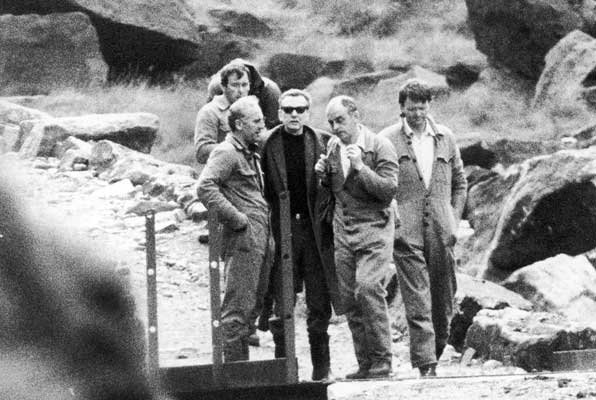
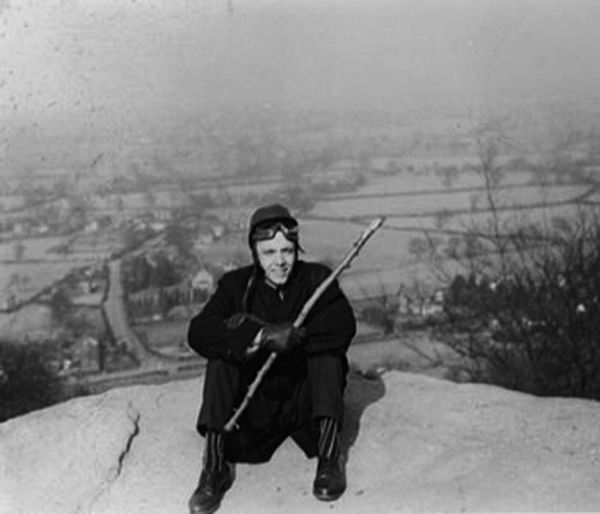
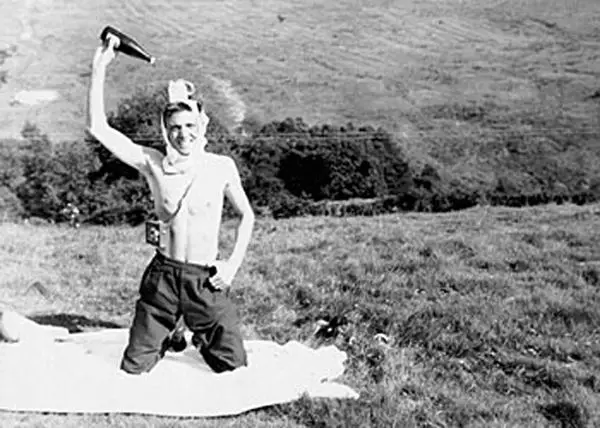
The investigation reached a critical breakthrough in October 1965 following the murder of Edward Evans. David Smith, Hindley's brother-in-law, witnessed the homicide and alerted Greater Manchester Police. Forensic searches of the couple's residence uncovered vital physical evidence, including suitcases containing victims' belongings and photographs taken by Hindley herself on the moors, depicting locations adjacent to the clandestine graves.
4. Legal Proceedings and Outcome
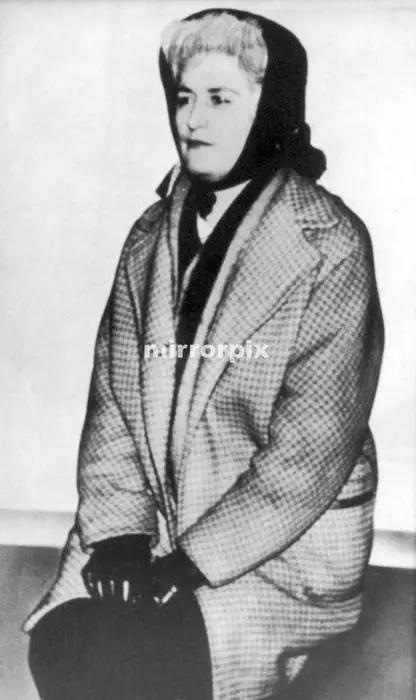
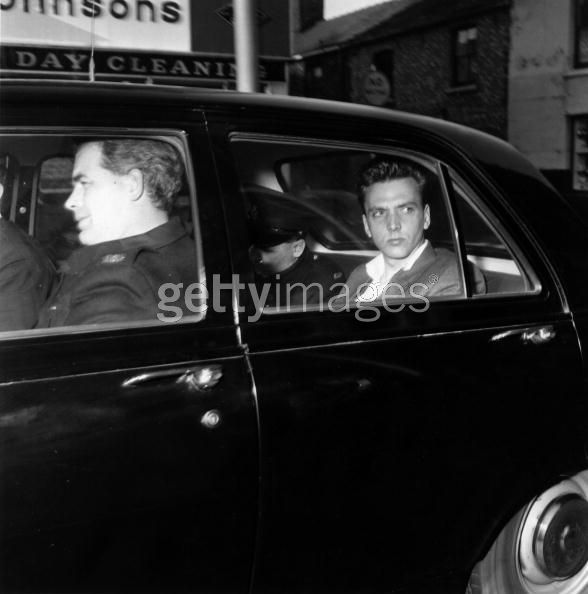
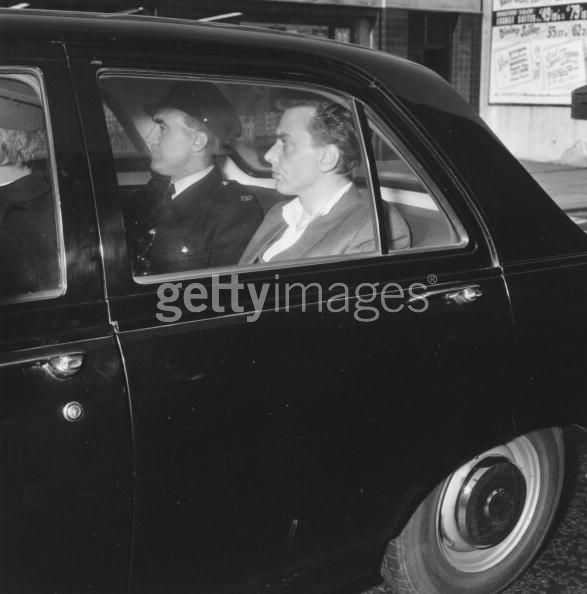
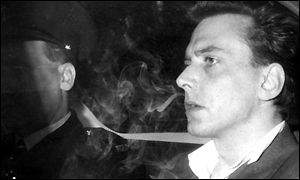
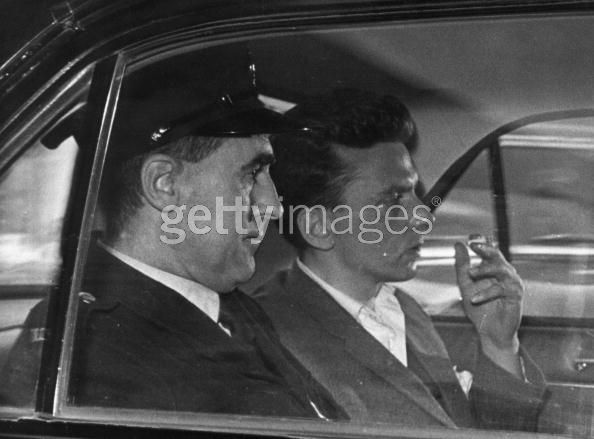
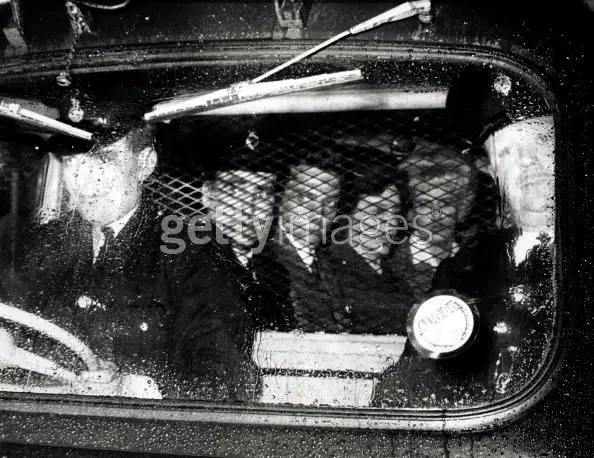
Following their arrest, Brady and Hindley stood trial at the Manchester Assizes in May 1966. The judicial proceedings shocked the British public due to the sheer coldness of the defendants and the graphic nature of the forensic evidence. Both were convicted and sentenced to life imprisonment, the maximum penalty available following the abolition of capital punishment for murder in the UK.
5. Psychological Assessment and Final Disposition
Throughout her decades-long incarceration, Hindley's repeated bids for parole sparked intense public and legal debate regarding retributive justice versus rehabilitation. Criminological evaluations consistently reviewed her persistent threat profile. Hindley remained incarcerated until her death on November 15, 2002, in HM Prison Highpoint South, succumbing to respiratory failure and bronchopneumonia, marking the definitive closure of one of Britain's most notorious criminal cases.