




Forensic & Criminological Matrix
| Parameter | Forensic Detail |
|---|---|
| Forensic Heading / Aliases | Jeannie Donald |
| Legal Identity | Jeannie Donald |
| Confirmed Victims | 1 (Helen Priestly, 8) |
| Active Timeline | April 20, 1934 |
| Jurisdiction / Area of Operations | Aberdeen, Scotland, United Kingdom |
| Criminological Classification | Impulsive homicide offender with post-offense crime scene staging |
| Forensic Modus Operandi | Asphyxiation followed by post-mortem blunt trauma to simulate sexual assault |
| Weapon / Mechanism of Death | Manual strangulation/compression and burlap sack |
| Motive / Behavioral Dynamics | Neighborly animosity, grudge, and personal hostility |
| Judicial Outcome | Sentenced to death in July 1934; commuted to life imprisonment; released in 1944 |
1. Background and Profile
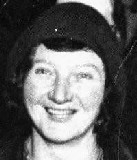
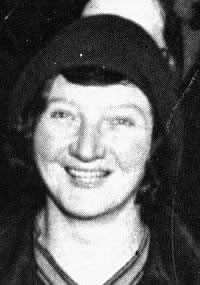
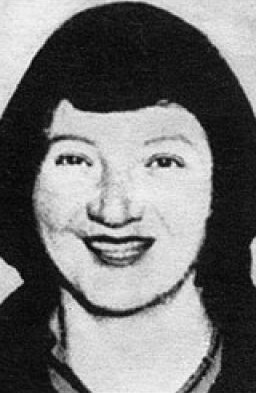
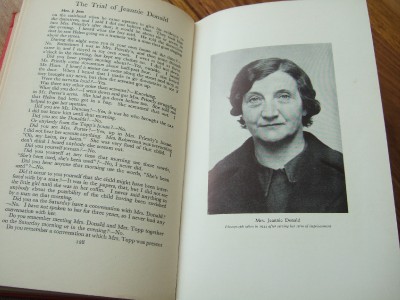
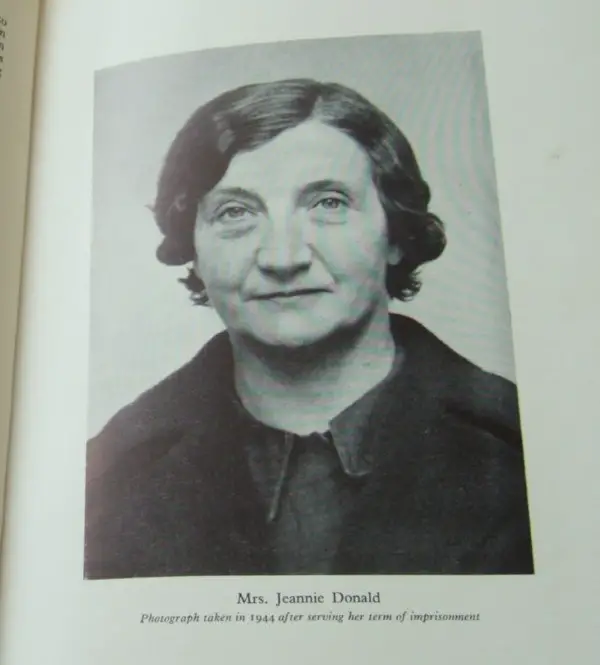
Jeannie Donald was born on July 8, 1895, and resided in an Aberdeen tenement building on Urquhart Road with her husband, a barber, and their daughter. Her behavioral profile was marked by intense friction with neighbors and a persistent enmity toward the Priestly family living in the same complex. Tensions had escalated significantly following prior verbal altercations and minor disputes, particularly after Donald had scolded young Helen Priestly for perceived insolence.
2. Criminal Career and Modus Operandi
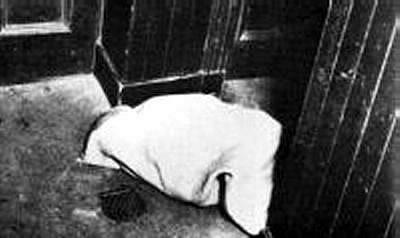
On April 20, 1934, eight-year-old Helen Priestly vanished after running an errand to buy bread. Her body was discovered the following morning concealed inside a Canadian export burlap sack beneath the staircase of her apartment building. Forensic examination revealed the cause of death was asphyxiation. To deflect suspicion, the perpetrator had inflicted post-mortem injuries on the child's thighs and genitals to simulate a sex crime. Physical evidence, including hair fibers matching Donald and bread remnants linked to the victim's routine, directly tied her to the homicide.
3. Investigation and Arrest
The disappearance sparked an unprecedented search operation in Aberdeen amid mounting public fury and community vigilantism. Police and forensic examiners meticulously analyzed the physical evidence, tracing the unique burlap sack to a local bakery and matching trace evidence—such as coal ash and hair—to the Donald household. Contradictory statements regarding household provisions provided by family members further solidified investigators' focus on Jeannie Donald.
4. Legal Proceedings and Outcome
Jeannie Donald was arrested amidst hostile crowds baying for retribution, while her husband was cleared after verifying his alibi. The trial commenced at the High Court in Edinburgh on July 16, 1934, under heavy security. The prosecution presented overwhelming circumstantial and forensic evidence disproving the defense's claims of an independent sex killer. The jury returned a guilty verdict, resulting in a death sentence.
5. Psychiatric Assessment and Aftermath
Although sentenced to death by hanging, Donald's sentence was subsequently commuted to penal servitude for life. She served ten years in prison before her release on June 24, 1944, after which she lived in obscurity until her death in 1976. The case remains a landmark in Scottish forensic history for its meticulous deployment of physical trace evidence to debunk staged crime scene elements.