




Forensic & Criminological Matrix
| Parameter | Forensic Detail |
|---|---|
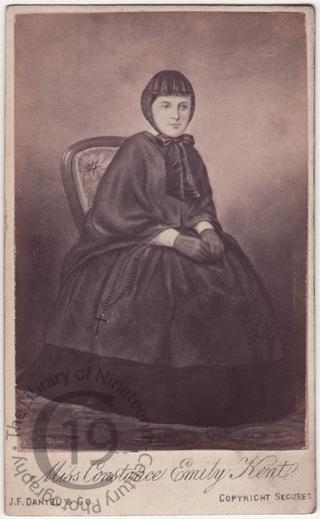
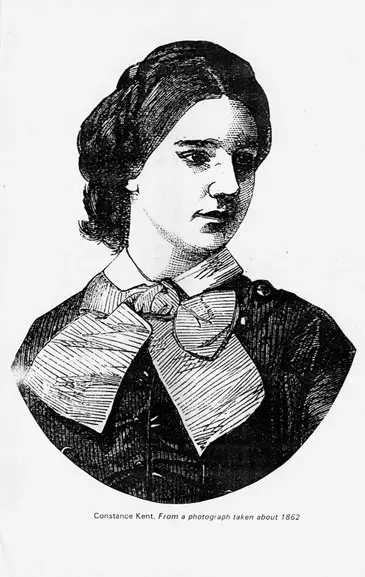
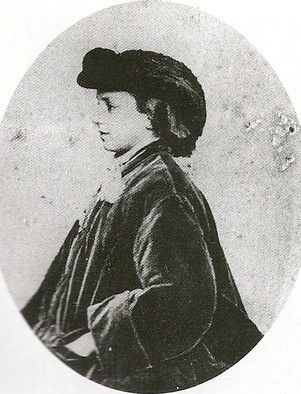
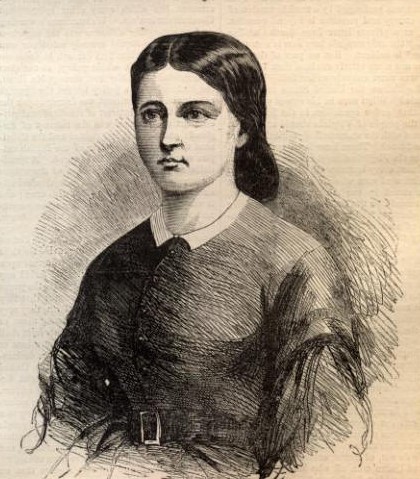
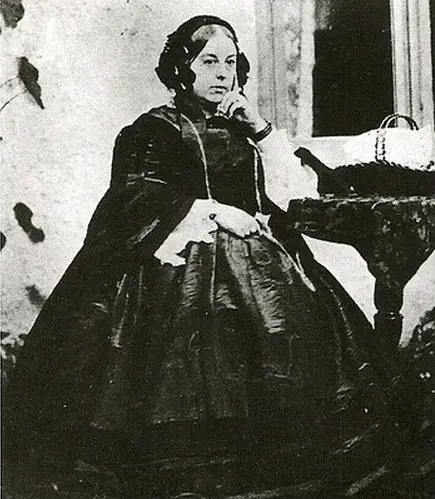
| Forensic Heading / Aliases | Constance Kent / Ruth Emilie Kaye |
| Legal Identity | Constance Emily Kent |
| Confirmed Victims | 1 (Francis Saville Kent) |
| Active Timeline | June 30, 1860 (crime); 1865 (confession) |
| Jurisdiction / Area of Operations | Road Hill House, Wiltshire, England |
| Criminological Classification | Familial homicide offender, infanticide |
| Forensic Modus Operandi | Removal of a sleeping toddler, nocturnal throat slashing, and concealment of the corpse in an outdoor privy |
| Weapon / Mechanism of Death | Edged instrument (razor or sharp knife) |
| Motive / Behavioral Dynamics | Domestic friction, animosity toward stepmother, and Victorian family dysfunction |
| Judicial Outcome | Condemned to death in 1865, commuted to life imprisonment; released in 1885 after 20 years served |
1. Background and Profile
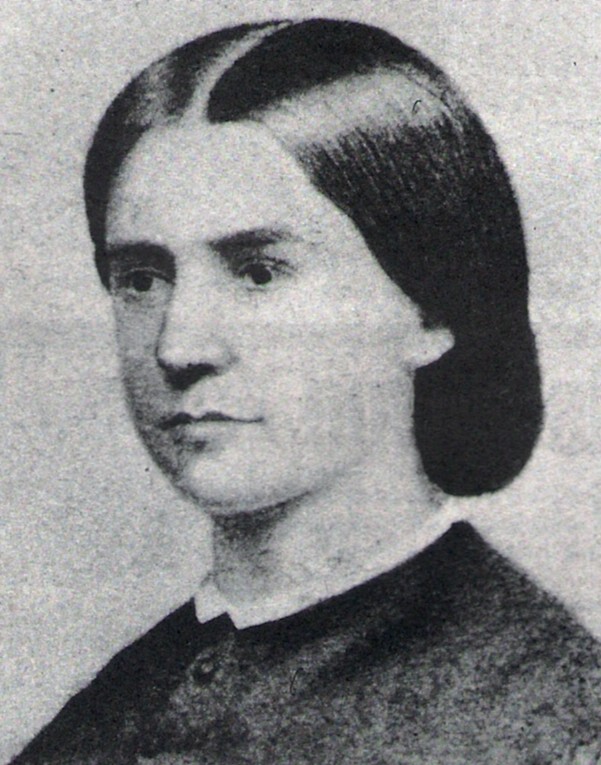
Born in Sidmouth, Devon, in 1844, Constance Emily Kent grew up within a middle-class Victorian household. Her father, Samuel Saville Kent, worked as a government factory inspector. The family dynamic deteriorated following the death of Constance's biological mother and her father's swift remarriage. Constance harbored intense hostility toward her stepmother, developing severe emotional and behavioral disturbances within a repressive domestic environment.
2. Crime Spree and Modus Operandi
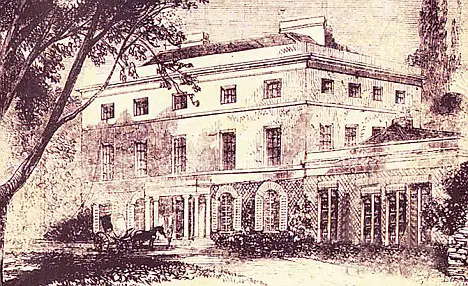
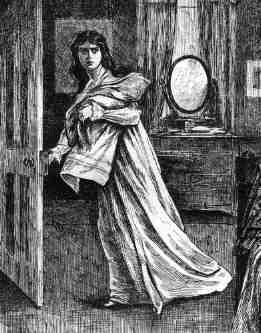
On the night of June 30, 1860, at Road Hill House in Wiltshire, sixteen-year-old Constance committed the premeditated murder of her three-year-old half-brother, Francis Saville Kent. She removed the child from his bedroom, carried him outside, and severed his throat with a sharp blade. She then disposed of the body in a disused outdoor privy, attempting to obscure the crime and deflect suspicion onto household staff through calculated manipulation of the crime scene.
3. Police Investigation and Forensic Hunt
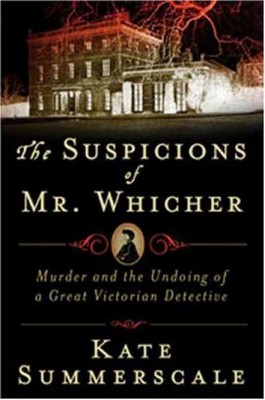
The initial local police investigation was severely compromised by ineptitude and interference from Samuel Kent, who leveraged his social standing to intimidate investigators and protect his household. Scotland Yard detectives failed to secure an airtight case during the initial probe. Although Constance fell under early suspicion due to her known psychological volatility and hatred toward her stepmother, she was released due to insufficient physical evidence.
4. Legal Proceedings and Trial
In 1865, driven by profound religious guilt and her confession to an Anglican clergyman (Rev. Arthur Wagner), Constance Kent surrendered to the authorities and formally confessed to the murder. Her confession triggered significant legal debate surrounding the limits of the priest-penitent privilege in England. Tried at the Wiltshire Assizes, she was found guilty and sentenced to death.
5. Psychiatric Assessment and Outcome
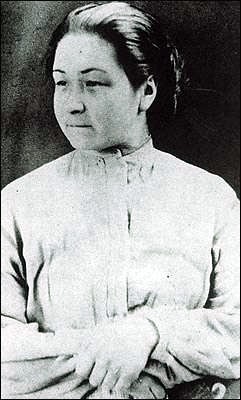
Due to her youth at the time of the offense and her voluntary confession, her death sentence was commuted to life imprisonment. Kent served twenty years in English penitentiaries, including Millbank, where she engaged in meticulous mosaic work. Released in 1885 at age 41, she adopted the alias Ruth Emilie Kaye and emigrated to Australia in 1886. There, she established a distinguished career in nursing and healthcare administration, ultimately living a quiet, law-abiding life until her death in Sydney in 1944 at the age of 100.