




Forensic & Criminological Matrix
| Parameter | Forensic Detail |
|---|---|
| Forensic Heading / Aliases | The Gavit Sisters, Renuka "Rinku" Shinde |
| Legal Identity | Renuka Kiran Shinde (née Gavit) |
| Confirmed Victims | 5 (Santosh, Anjali, Shradha, Gauri, and Pankaj) |
| Active Timeline | 1990 - 1996 |
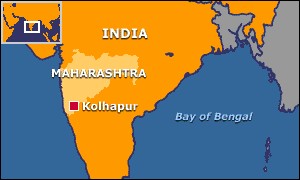
| Jurisdiction / Area of Operations | Maharashtra, India (Kolhapur, Pune, Thane, Nashik) |
| Criminological Classification | Profit-driven serial killer / Criminal exploitation |
| Forensic Modus Operandi | Systematic abduction of toddlers under five years old to use as decoys and sympathy shields during pickpocketing. Victims were murdered violently by blunt force trauma against walls or poles when they became liabilities or cried in public. |
| Weapon / Mechanism of Death | Physical force, blunt trauma against hard surfaces (walls, electricity poles, floors) |
| Motive / Behavioral Dynamics | Financial gain through property crimes combined with profound antisocial psychopathy and family-driven vengeance |
| Judicial Outcome | Sentenced to death by the Kolhapur Sessions Court (2001), upheld by the Bombay High Court (2004) and the Supreme Court of India (2006). Pending presidential clemency. |
1. Background and Psychopathy
Renuka Shinde emerged from a family deeply entrenched in petty criminality in Maharashtra, India. Her mother, Anjanabai Gavit, possessed a criminal record comprising over a hundred cases of pickpocketing and chain-snatching in crowded urban transit hubs. The family's descent into extreme violence accelerated in 1990 when the family patriarch abandoned Anjanabai to take a second wife. This personal betrayal catalyzed a shift in the clan's operations, merging personal vendettas with professionalized criminal enterprises involving Anjanabai, her daughters Renuka and Seema, and Renuka's husband, Kiran Shinde.
2. Crime Spree and Modus Operandi
The criminal ring operated by abducting young children—typically between seven months and five years of age—from railway stations, bus terminals, and temples across Pune, Thane, Nashik, and Kolhapur. The children served a dual purpose: masking the women's presence in crowded environments and acting as emotional shields or distraction devices if caught thieving.
However, when the children grew too old to carry unobtrusively or if they cried and drew unwanted public attention, the women executed them summarily. Forensic records document brutal methods, including slamming the infants' heads against concrete floors, walls, or iron poles, and disposing of their bodies in public restrooms or beneath vehicles.
3. Investigation and Arrest
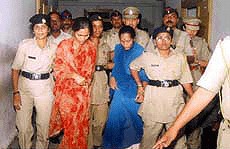
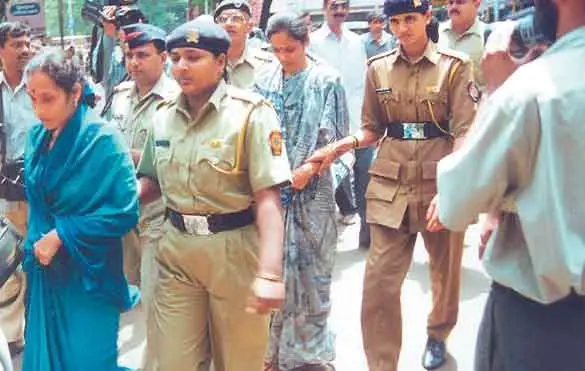
The crimes went undetected for nearly six years due to the methodical execution of the abductions and the lack of consolidated initial reports. The enterprise unraveled in October 1996 when the sisters attempted to abduct their fourteenth victim. Cornered following a disturbance in Kolhapur, local authorities arrested Renuka, Seema, Anjanabai, and Kiran.
During the pre-trial investigation, Kiran Shinde turned state's evidence (approver), providing prosecutors with crucial eyewitness testimony detailing the systematic torture and murders committed by the women, thereby securing immunity from prosecution for himself.
4. Legal Proceedings and Outcome
The trial commenced in September 1998 before Kolhapur Additional Sessions Judge G.L. Yedke. In 2001, the court delivered a guilty verdict, sentencing Renuka Shinde and Seema Gavit to death for the proven murders of five children: Santosh, Anjali, Shradha, Gauri, and Pankaj. The matriarch, Anjanabai, died in custody in 1997 prior to the conclusion of the proceedings.
5. Psychiatric Assessment and Aftermath
Subsequent legal challenges filed by the defense were systematically rejected by appellate courts. On September 9, 2004, the Bombay High Court upheld the capital sentences, and on August 31, 2006, the Supreme Court of India—presided over by Justices K.G. Balakrishnan and G.P. Mathur—affirmed the death penalty. The apex court categorized the case as falling within the "rarest of rare" judicial threshold, emphasizing the extreme depravity, lack of mitigating circumstances, and impossibility of reform. The convicts have remained incarcerated on death row pending executive mercy petitions.