




Forensic & Criminological Matrix
| Parameter | Forensic Detail |
|---|---|
| Forensic Heading / Aliases | Melanie Smith / The Prestatyn Arsonist |
| Legal Identity | Melanie Jane Smith |
| Confirmed Victims | 5 (Lee-Anna Shiers, Liam Timbrell, Bailey Shiers, Skye Shiers, Charlie Timbrell) |
| Active Timeline | October 19, 2012 |
| Jurisdiction / Area of Operations | Prestatyn, Denbighshire, Wales (United Kingdom) |
| Criminological Classification | Mass Murderer / Homicidal Pyromaniac |
| Forensic Modus Operandi | Intentional arson using direct flame applied to personal items or infant strollers left in shared residential corridors while under the influence of alcohol. |
| Weapon / Mechanism of Death | Fire / Smoke inhalation and thermal burns |
| Motive / Behavioral Dynamics | Alcohol abuse disorder, obsessive jealousy, pathological intolerance to minor environmental stressors and domestic noise. |
| Judicial Outcome | Sentenced in May 2013 to life imprisonment with a minimum tariff of 30 years for five counts of murder and arson threats. |
1. Background and Profile
Melanie Jane Smith resided in the seaside town of Prestatyn in North Wales. With a documented background of extreme cruelty toward her own three children—whom she abandoned after subjecting them to physical abuse such as cigarette burns—Smith developed a chronic pattern of heavy drinking and violent outbursts. Acquaintances and neighbors noted her obsessive preoccupation with cleanliness and order within her immediate living space, a psychological rigidity that contrasted sharply with her chaotic personal life and alcohol-fueled disputes.
2. Crime Spree and Modus Operandi
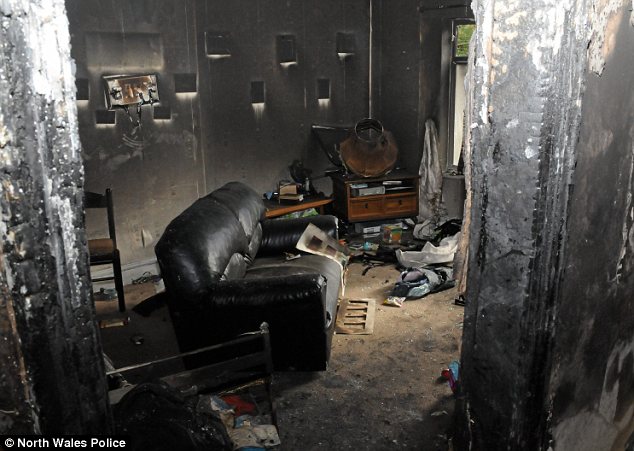
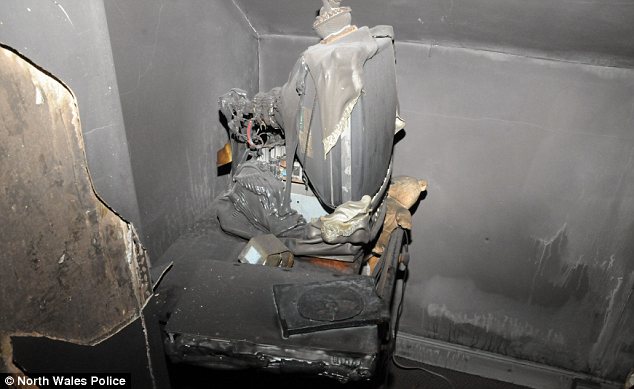
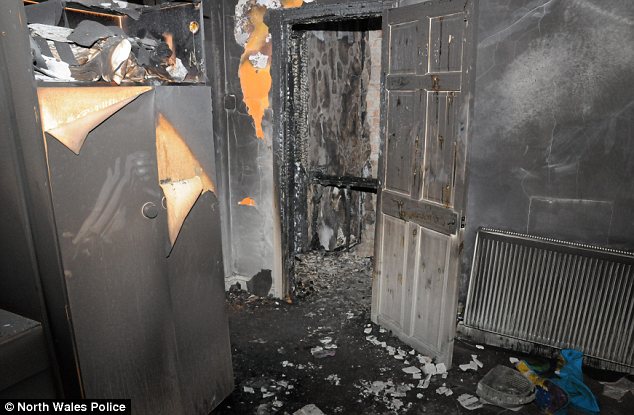
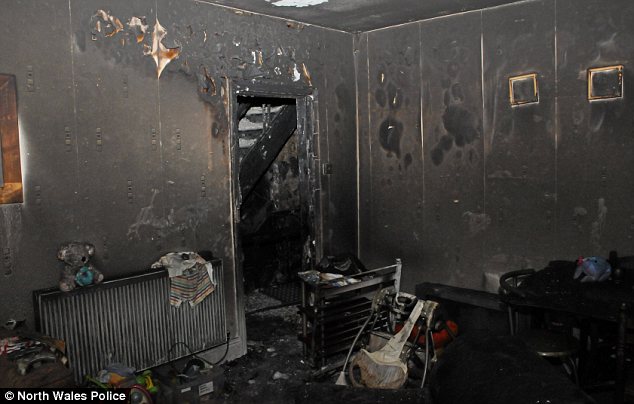
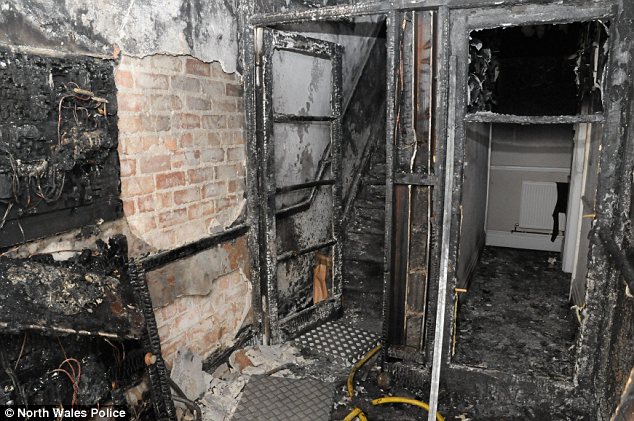
In the weeks leading up to the tragedy, Smith harbored escalating resentment toward the young family living in the apartment directly above hers, consisting of Lee-Anna Shiers, her partner Liam Timbrell, and their children. Smith grew intensely fixated on perceived minor nuisances, such as cigarette butts, ordinary noise, and a child's pushchair left temporarily in the shared ground-floor hallway. On the night of October 19, 2012, heavily intoxicated and consumed by jealousy regarding her own partner, Smith heard sounds of domestic happiness from upstairs. Driven by blind rage, she exited her flat and set fire to the pushchair positioned right outside the entrance.
3. Investigation and Forensic Pursuit
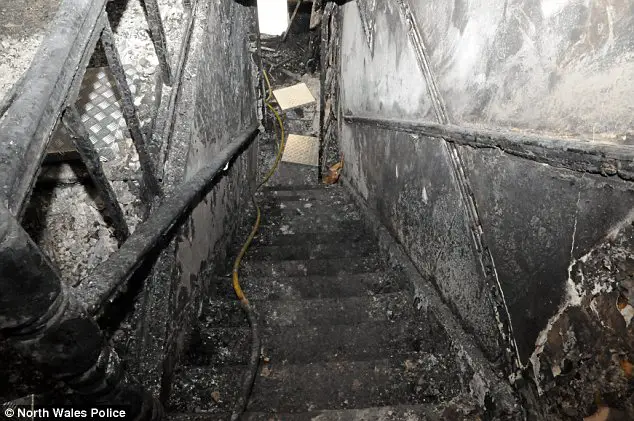
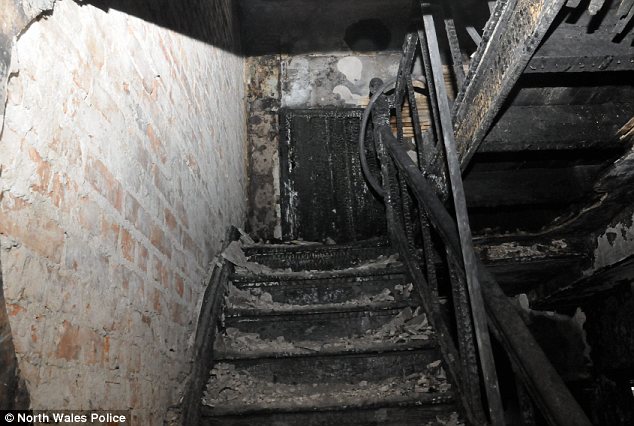
The fire spread with catastrophic speed, transforming the residential building into an inferno. Trapped in the upper-floor flat were Lee-Anna Shiers (20), her partner Liam Timbrell (23), and three young children: Bailey (4), Skye (2), and 15-month-old infant Charlie. During the incident, Liam Timbrell managed to place a harrowing 999 emergency call capturing the imminent terror of the victims. Before succumbing to smoke inhalation, Timbrell informed first responders that the fire was deliberate and directly accused Smith, reporting that he had heard her shouting threats through the letterbox. Fire investigators and witness testimonies regarding her prior threats cemented the police case.
4. Legal Proceedings and Outcome
Melanie Smith was apprehended shortly after the fire and stood trial at Mold Crown Court. Although the defense attempted to mitigate her culpability by citing intoxication, prosecutors established a clear pattern of prior arson threats and deep-seated hostility. In May 2013, a jury of seven women and five men found her guilty by a 10-2 majority verdict of five counts of murder and one count of making threats to cause arson. Trial judge Mr Justice Griffith-Williams denounced her actions as an act of "exceptional wickedness" and handed down a life sentence with a minimum term of 30 years.
5. Psychiatric Evaluation and Aftermath
Forensic psychiatric evaluations indicated no major psychotic disorders, but highlighted severe antisocial personality traits, emotional instability driven by chronic alcoholism, and a profound lack of empathy. Smith's persistent refusal to acknowledge responsibility, instead casting herself as the victim, underscored her high-risk criminological profile. The case remains a poignant reminder of how petty intolerance and alcohol-fueled rage can cause mass devastation in a domestic setting.