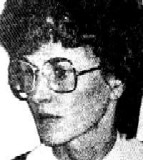




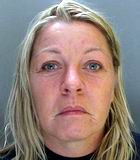
Forensic & Criminological Matrix
| Parameter | Forensic Detail |
|---|---|
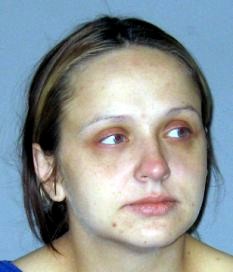
| Forensic Heading / Aliases | Ineta Dzinguviene |
| Legal Identity | Ineta Dzinguviene |
| Confirmed Victims | 2 neonates (her daughter in Lithuania, and her son Paulius in Scotland) |
| Active Timeline | 2009 - 2010 |
| Jurisdiction / Area of Operations | Marijampolė, Lithuania / Fraserburgh, Aberdeenshire, Scotland, UK |
| Criminological Classification | Serial Neonaticidal / Filicidal Offender |
| Forensic Modus Operandi | Mechanical asphyxiation of newborns using plastic kitchen wrap (cling film) over the nose and mouth within hours of birth, followed by concealment of remains in luggage or communal trash |
| Weapon / Mechanism of Death | Plastic food wrapping (cling film) and carrier bags |
| Motive / Behavioral Dynamics | Concealment of unwanted pregnancies and neonates from family and social circles |
| Judicial Outcome | Sentenced to life imprisonment with a minimum term of 15 years in Scotland (June 2011); subsequently extradited to Lithuania for trial regarding the first infanticide |
1. Background and Profile
Ineta Dzinguviene was a Lithuanian national residing with her husband, Arunas Dzingus, and three older children in the fishing port of Fraserburgh, Aberdeenshire, Scotland, after relocating from Lithuania. Although regarded by neighbors as an attentive mother to her surviving children, she routinely concealed subsequent pregnancies from her family and spouse. Forensic evaluations established she suffered from no severe mental disorders that impaired her cognitive capacity, displaying instead a calculated detachment during her crimes.
2. Crime Spree and Modus Operandi
Dzinguviene's criminal methodology involved concealing her pregnancies, giving birth in secrecy, and systematically eliminating the infants via targeted mechanical asphyxia.
- First Crime (Lithuania, 2009): She gave birth to a baby girl who vanished after being brought home. Years later, during renovation work, construction workers discovered the infant's remains inside a suitcase abandoned in the attic.
- Second Crime (Scotland, 2010): On April 12, 2010, she gave birth to a son, Paulius Dzingus, at Fraserburgh Hospital. Upon returning home, she pressed plastic cling film over his nose and mouth until he suffocated. She placed the corpse inside a holdall bag and hid it in a communal hallway behind rolls of carpet.
3. Investigation and Forensic Pursuit
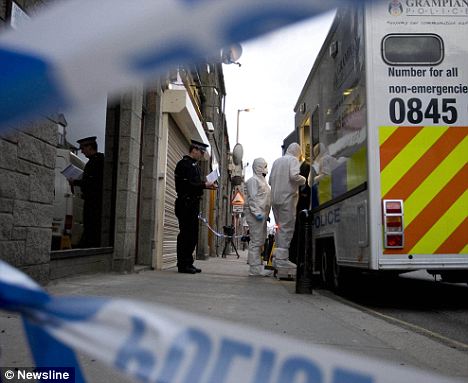
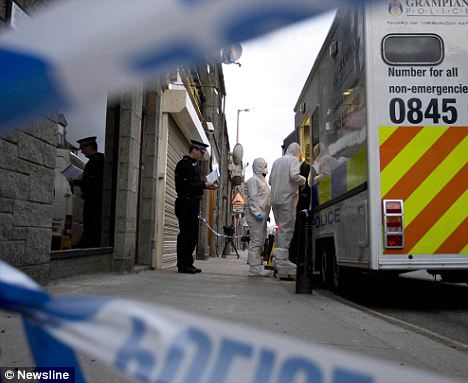
The Scottish investigation commenced after the offender's sister-in-law and a friend, aware of the late-stage pregnancy, alerted authorities out of fear for the infant's safety. Police located the newborn's body in the apartment complex. Dzinguviene fled the scene but was apprehended 17 miles away in Peterhead, appearing remarkably calm and composed upon arrest.
4. Legal Proceedings and Outcome
Dzinguviene was tried at the High Courts in Livingston and Glasgow in 2011. Forensic pathologist Dr. James Grieve testified that the cause of death was asphyxia caused by the plastic wrap. Defense counsel claimed Dzinguviene could not explain her actions, but trial judge Lord Beckett dismissed notions of diminished responsibility, characterizing the murder as a wicked act against a defenseless child. On June 8, 2011, she was sentenced to life imprisonment with a minimum non-parole period of 15 years.
5. Psychiatric Evaluation and Final Resolution
Psychiatric assessments confirmed the absence of postpartum psychosis or legal insanity. Following her British conviction, Lithuanian prosecutors issued a European Arrest Warrant regarding the 2009 death of her newborn daughter. After legal hurdles regarding her extradition were cleared, Dzinguviene was extradited to Lithuania in September 2012 to face trial for her first capital infanticide offense.