


Forensic & Criminological Matrix
| Parameter | Forensic Detail |
|---|---|
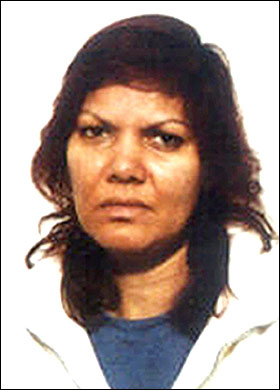
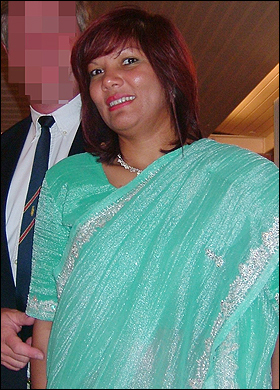
| Forensic Heading / Aliases | Rekha Kumari-Baker |
| Legal Identity | Rekha Kumari-Baker |
| Confirmed Victims | 2 (Davina Kumari-Baker and Jasmine Kumari-Baker) |
| Active Timeline | June 13, 2007 |
| Jurisdiction / Area of Operations | Stretham, Cambridgeshire, United Kingdom |
| Criminological Classification | Familicidal offender / Filicidal murderer |
| Forensic Modus Operandi | Premeditated knife attack against vulnerable victims during sleep |
| Weapon / Mechanism of Death | Kitchen knives (69 stab wounds total) |
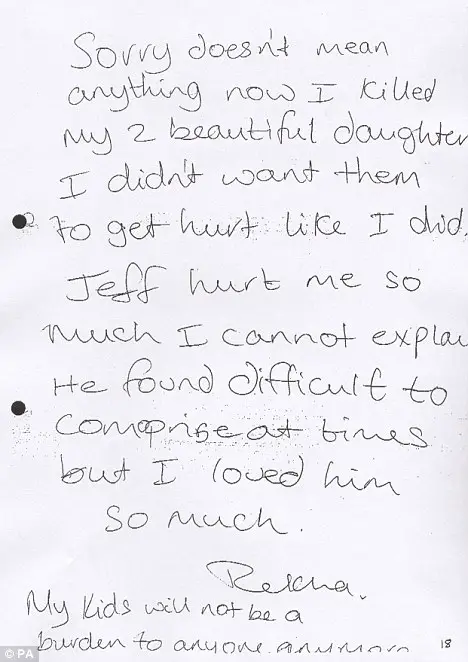
| Motive / Behavioral Dynamics | Marital retaliation, pathological jealousy, narcissistic personality traits |
| Judicial Outcome | Life imprisonment with a minimum tariff of 33 years (sentenced September 2009) |
1. Background and Psychopathy
Rekha Kumari-Baker was born in India and settled in the United Kingdom, where she married David Baker. Following their divorce in 2003, Kumari-Baker experienced severe emotional instability, worsened by subsequent relationship breakups, financial distress, and the loss of her employment. School officials and social workers noted her erratic, volatile, and aggressive behavior. In 2004, she explicitly stated to teachers at Impington Village College that she wished her eldest daughter were dead. Although evaluated for reactive depression and stress, psychiatric assessments later confirmed she suffered from no major mental illness that impaired her cognitive capacity or legal responsibility.
2. Crime Spree
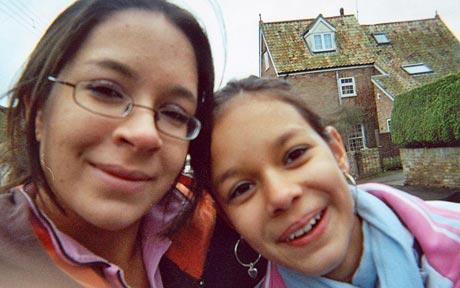
In June 2007, at her home in Stretham, Cambridgeshire, Kumari-Baker planned and executed the murder of her two daughters, Davina (16) and Jasmine (13). Two days prior to the attack, she purchased kitchen knives specifically for this purpose. Davina, who was living with her father due to recurrent friction with her mother, was lured back to the residence under the pretense of a shopping trip. In the early hours of June 13, 2007, while both girls were asleep in their bedrooms, Kumari-Baker launched a frenzied knife attack, inflicting a total of 69 stab wounds.
3. Investigation and Forensic Pursuit
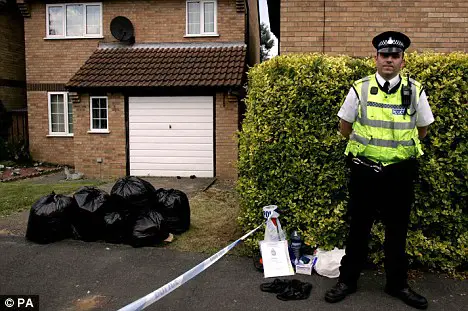
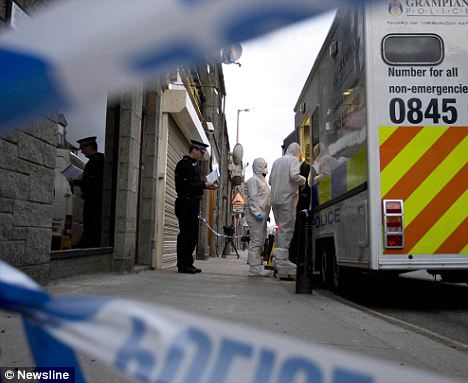
Emergency services and Cambridgeshire Constabulary secured the crime scene, which investigating officers described as one of the most horrific cases encountered in their careers. Forensic pathologists collected biological evidence, blood-stain patterns, and the murder weapon. The investigation quickly established premeditation through the prior purchase of the knives. Concurrently, a serious case review was initiated by the Cambridgeshire Local Safeguarding Children Board to evaluate the interactions of healthcare professionals, educators, and social services with the family prior to the tragedy.
4. Legal Proceedings and Outcome
Rekha Kumari-Baker was arrested at the scene and stood trial at Cambridge Crown Court in September 2009. Her defense argued diminished responsibility based on abnormal mental states and depressive disorders. However, expert psychiatric testimony refuted this, establishing that she was fully cognizant of her actions. The jury returned unanimous guilty verdicts on two counts of murder after deliberating for only 35 minutes. Mr. Justice Bean sentenced her to life imprisonment with a minimum non-parole period of 33 years, making it one of the longest custodial sentences ever handed down to a female offender in modern British legal history.
5. Psychiatric Evaluation and Aftermath
Forensic psychiatrists concluded that Kumari-Baker acted out of a mix of mild reactive depression, severe resentment toward her ex-husband, and a narcissistic worldview where her children served as extensions of her own ambitions. The case underscored severe gaps in inter-agency communication regarding domestic safeguarding and resulted in a landmark punitive sentence ensuring long-term incarceration.