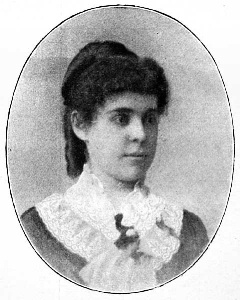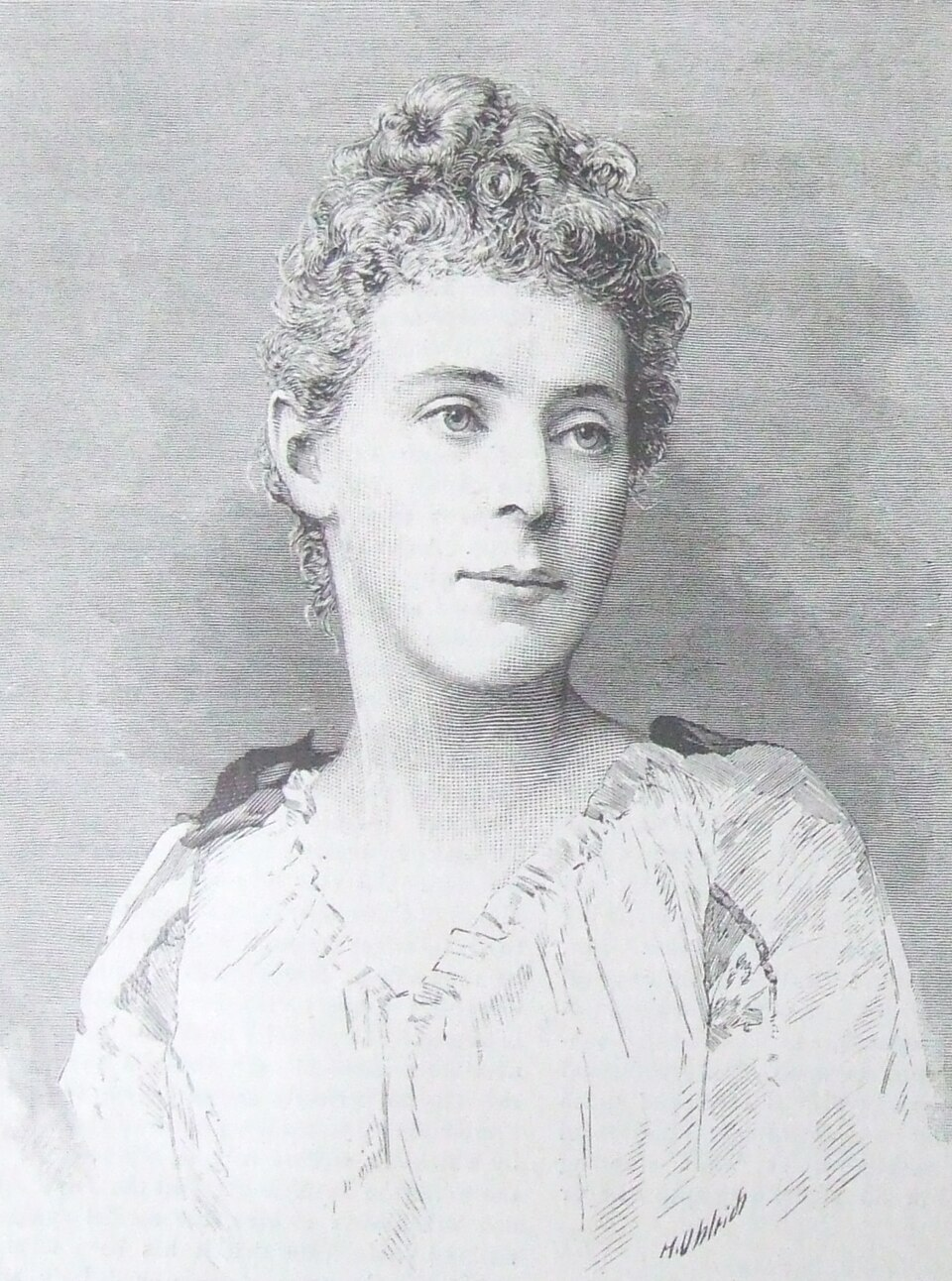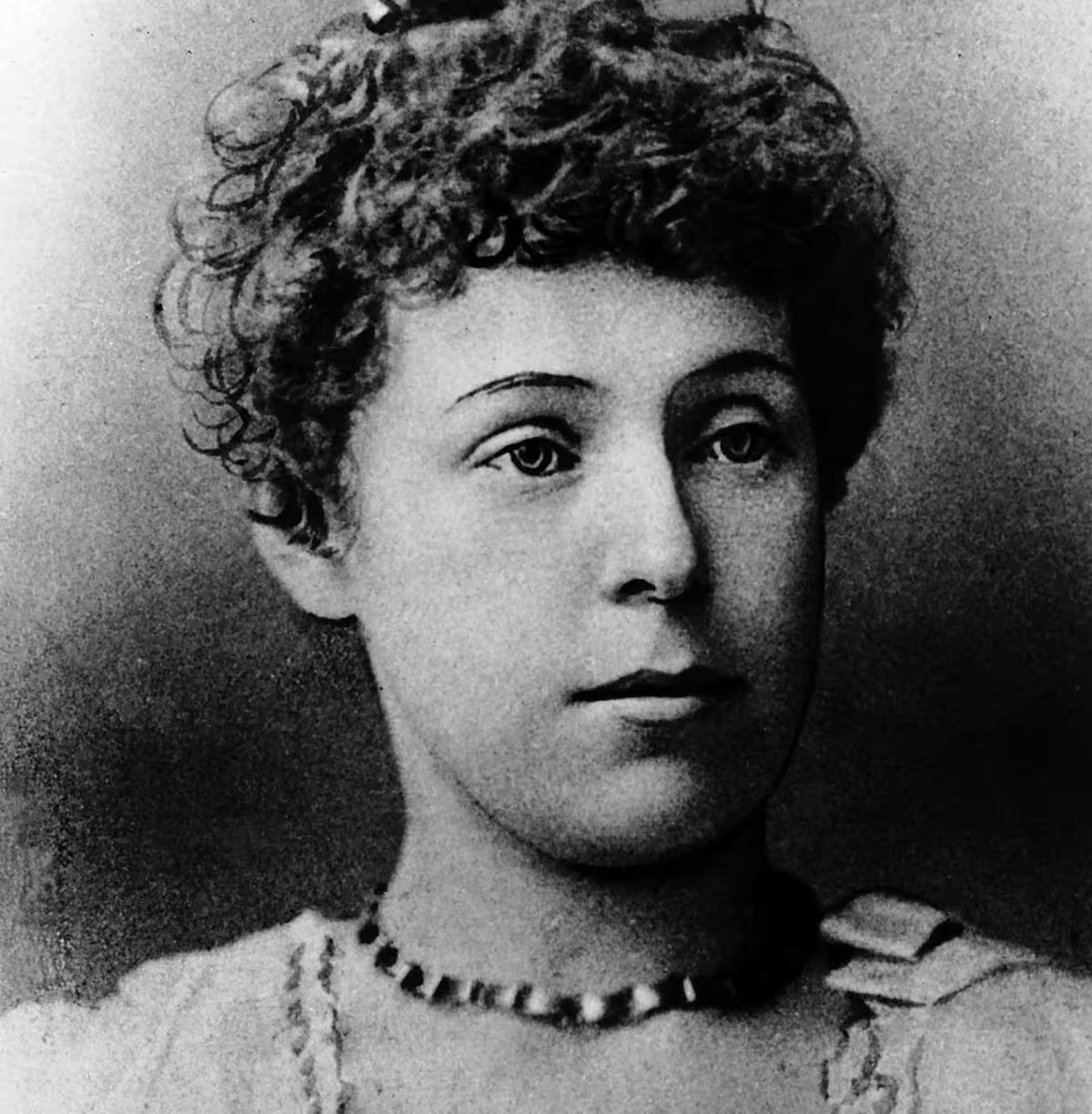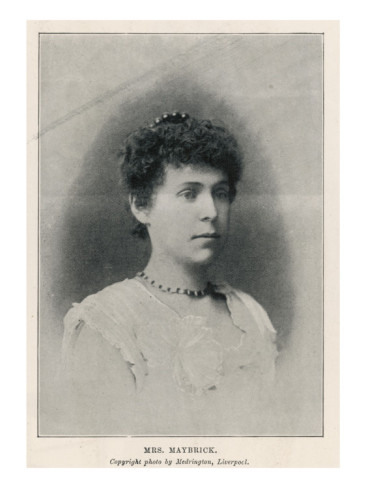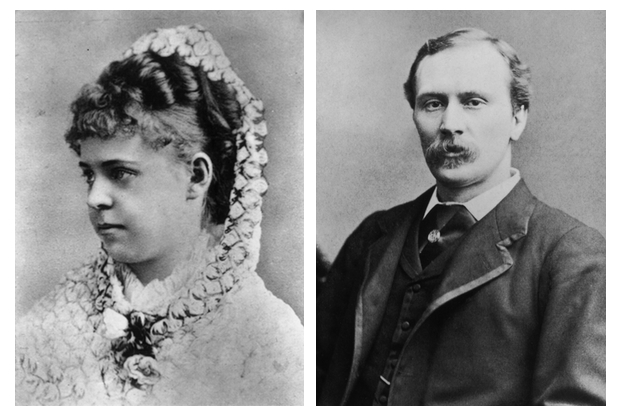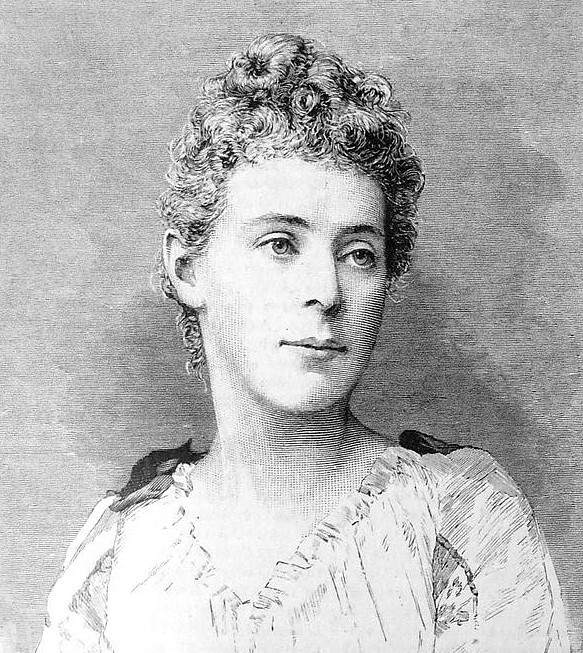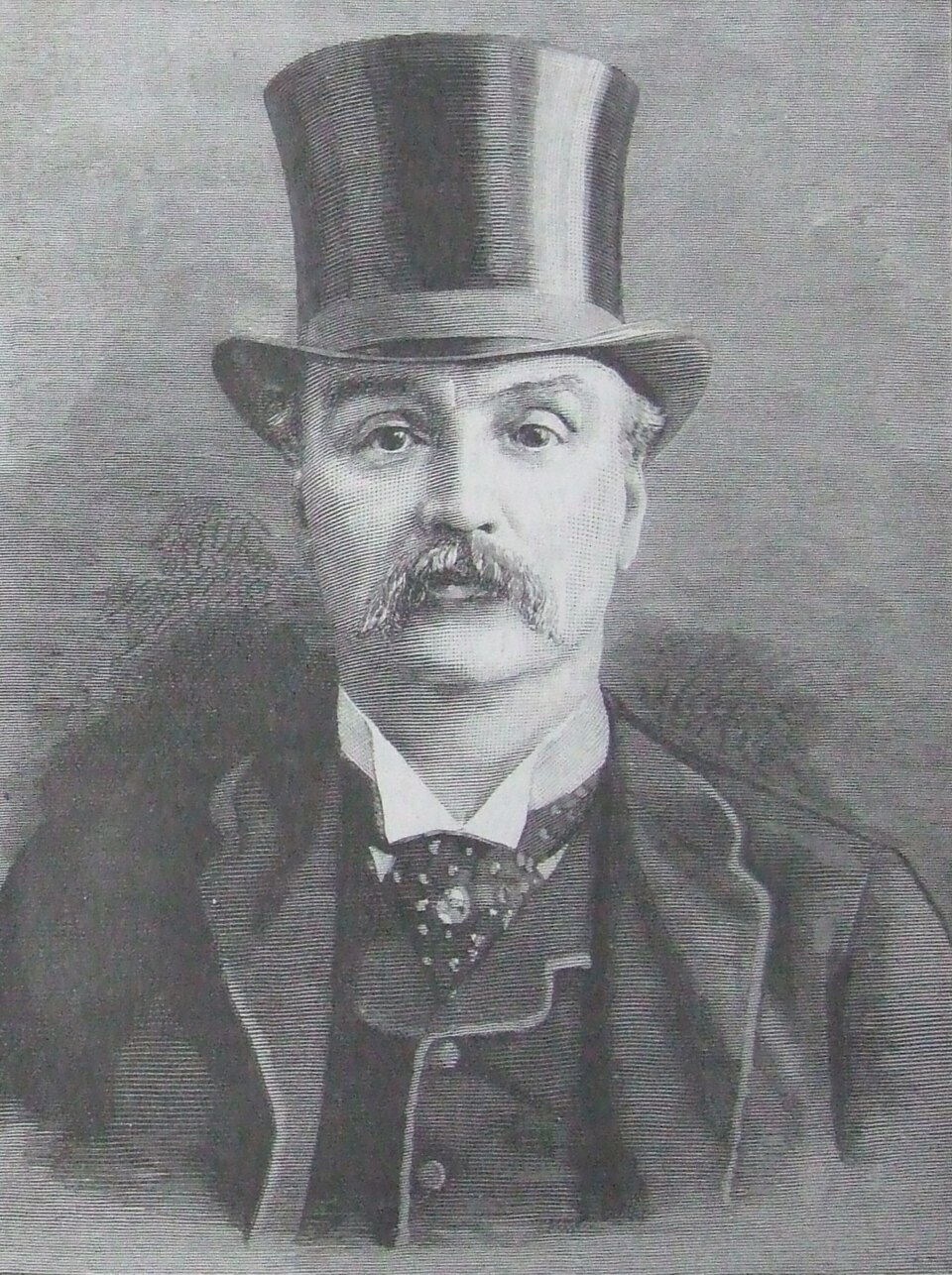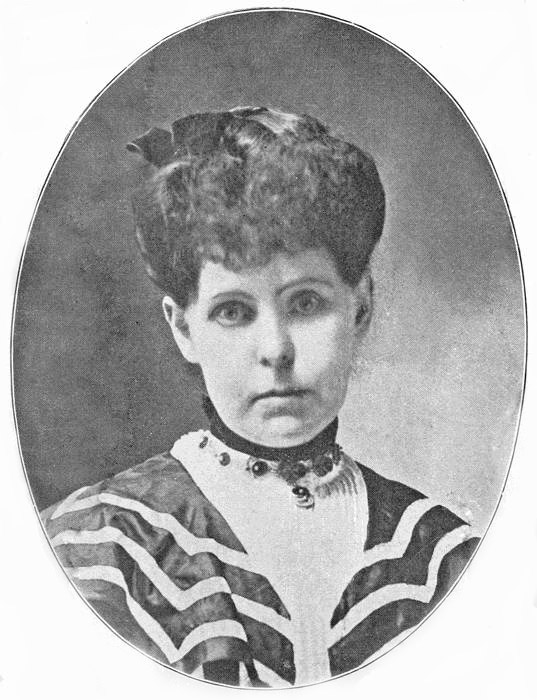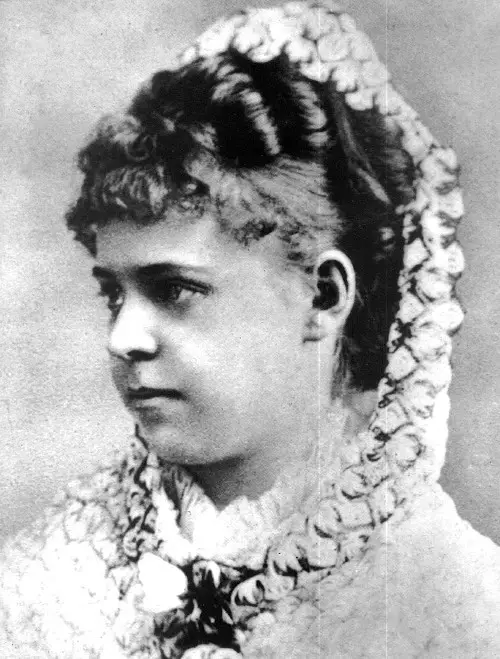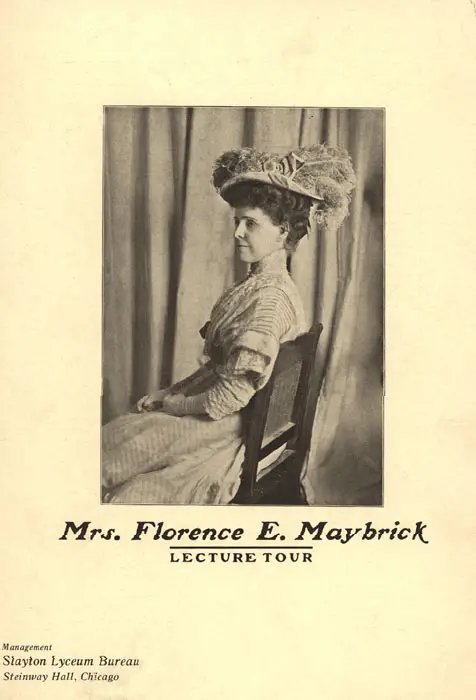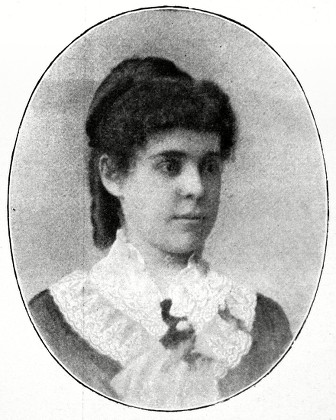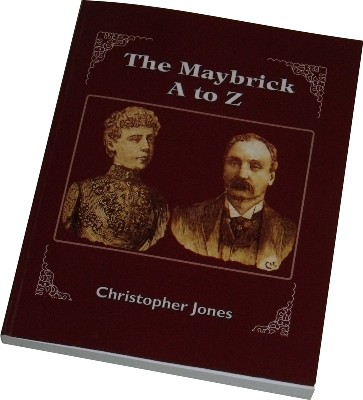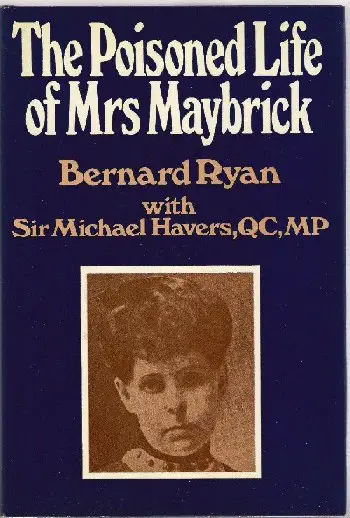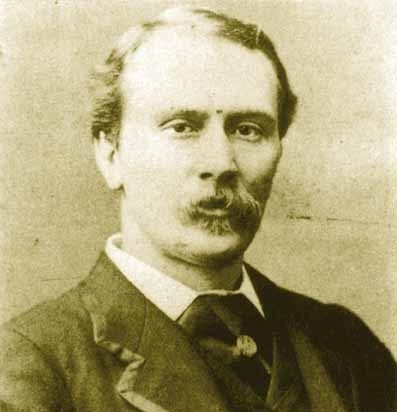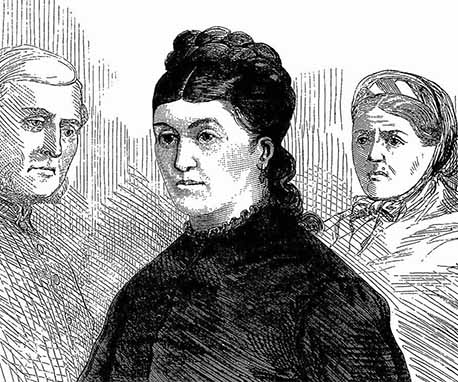




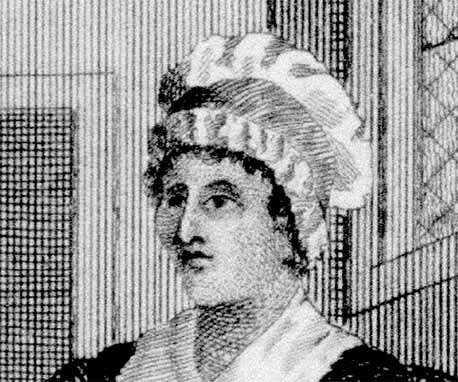
Forensic Profile Datasheet: Florence Maybrick ("The Liverpool Arsenic Mystery")
| Forensic Parameter | Evaluation Details |
|---|---|
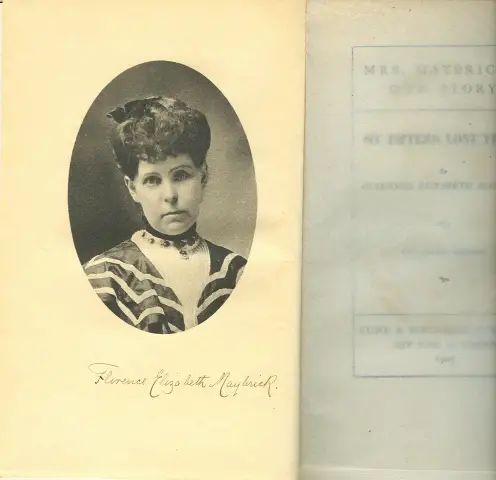
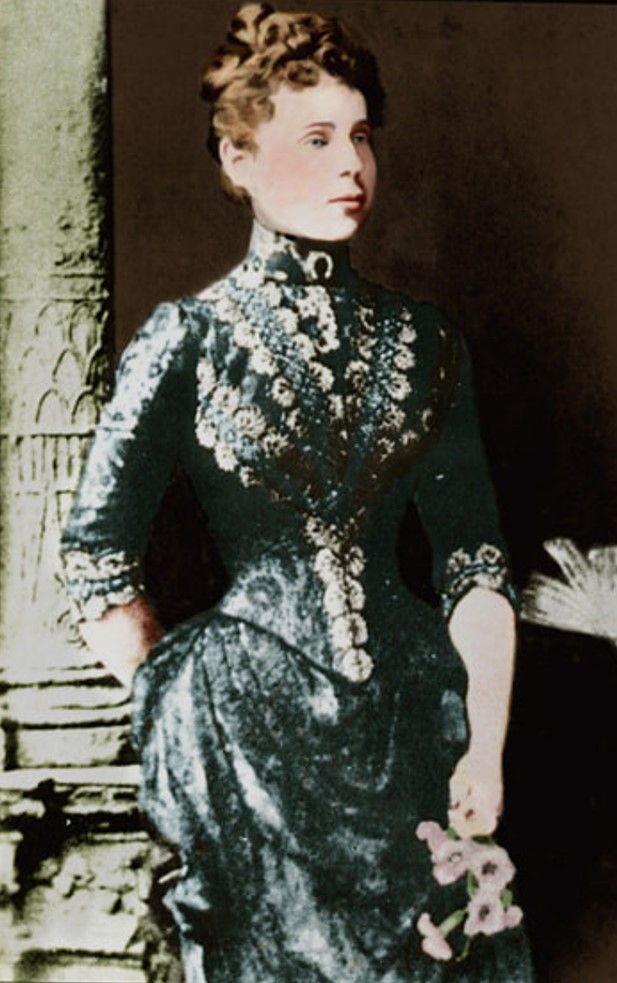
| Full Legal Name | Florence Elizabeth Maybrick (née Chandler) |
| Historical Cause Célèbre | The Maybrick Poisoning Trial (Liverpool, 1889) |
| Date & Place of Birth | September 3, 1862 — Mobile, Alabama, United States |
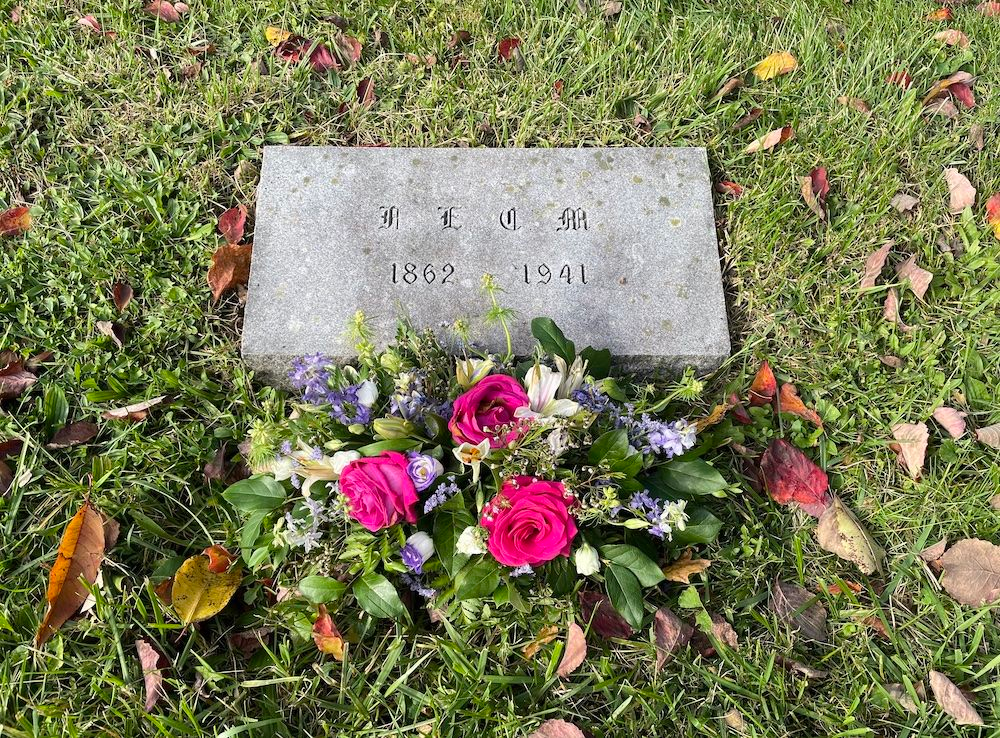
| Date & Place of Death | October 23, 1941 (aged 79) — South Kent, Connecticut, United States |
| Penal Status & Outcome | Sentenced to death in 1889; commuted to life imprisonment; released in 1904 after 15 years |
| Criminological Classification | Alleged spousal poisoning / Celebrated Victorian miscarriage of justice |
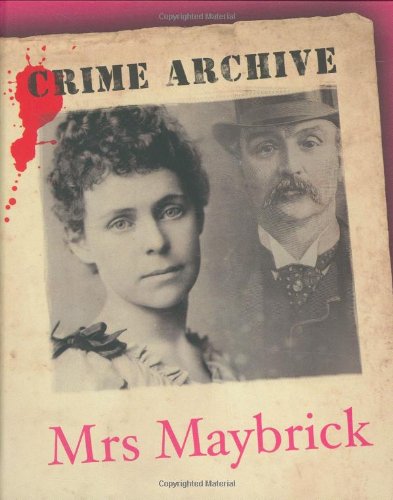
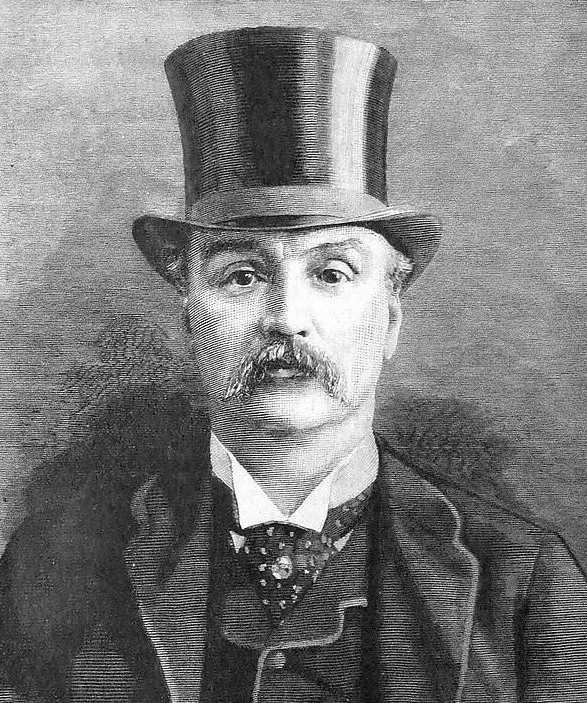
| Alleged Victim | James Maybrick (aged 60; prominent Liverpool cotton merchant) |
| Date of Death | May 11, 1889 |
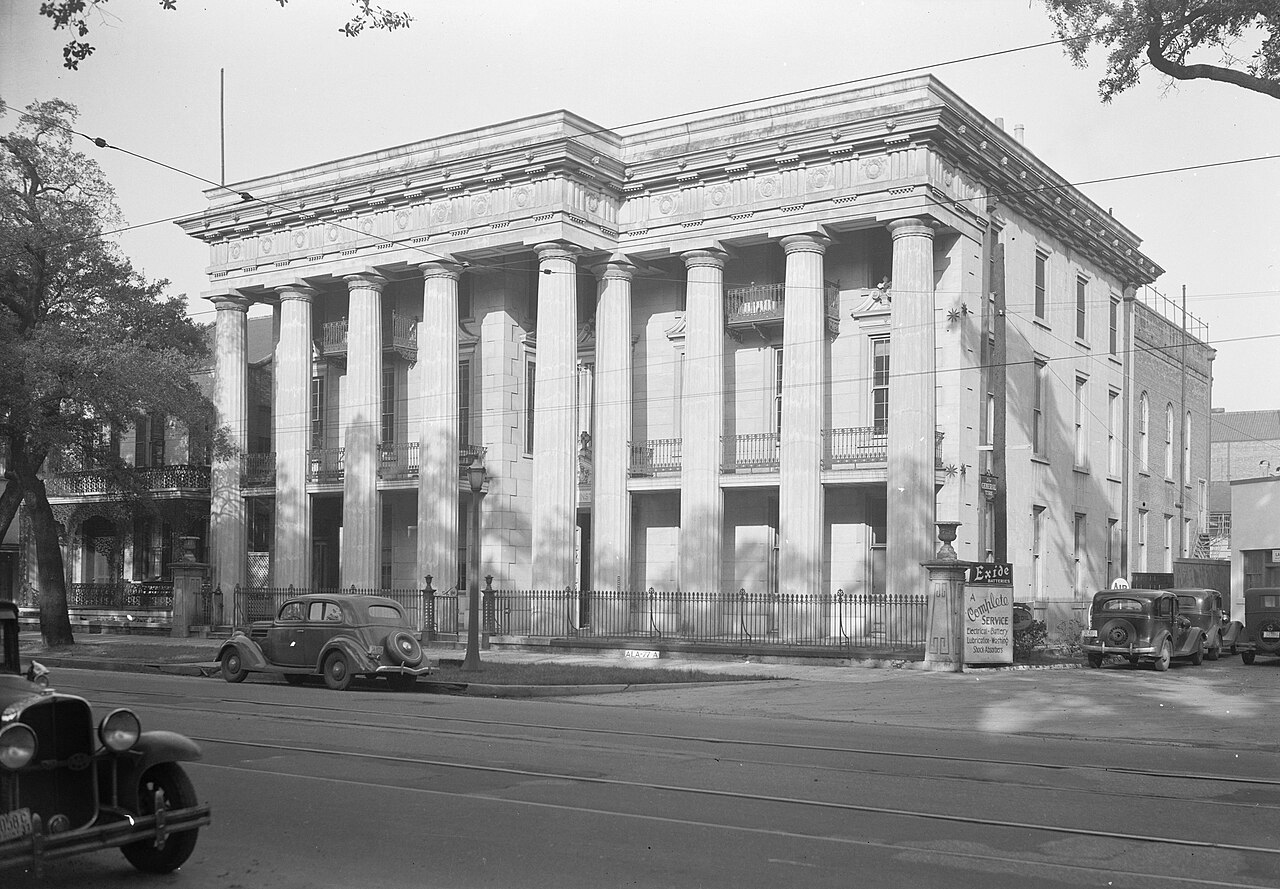
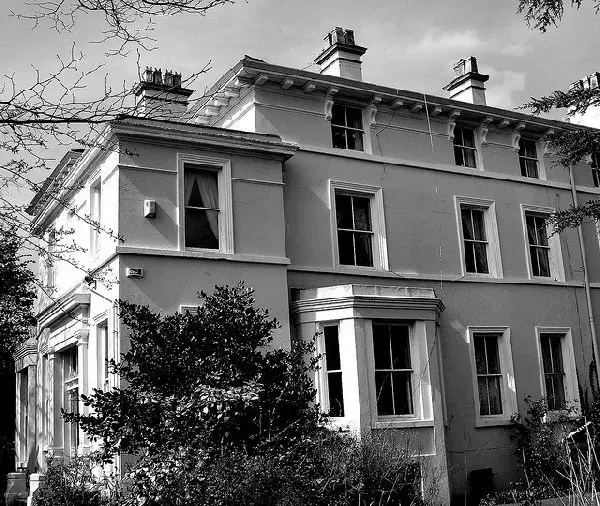
| Scene of the Crime | Battlecrease House, Aigburth, Liverpool, Lancashire, England |
| Toxic Chemical Involved | Arsenic trioxide (allegedly soaked from commercial flypapers) |
| Victim's Toxicological History | Chronic, heavy self-administration of arsenic and strychnine as aphrodisiacs and stimulants |
| Presiding Judge | Sir James Fitzjames Stephen (who suffered acute mental breakdown and dementia shortly thereafter) |
| Defense Counsel | Sir Charles Russell, QC (later Lord Chief Justice of England) |
High Society Background and Anglo-American Union
Florence Elizabeth Chandler was born in 1862 in Mobile, Alabama, the daughter of William G. Chandler, a prominent banker and former mayor of the city. Following her father's death, her mother remarried German aristocrat Baron Adolph von Roques. Educated in elite European boarding schools, Florence was crossing the Atlantic aboard the steamship Baltic in 1880 when she met James Maybrick, a wealthy Liverpool cotton broker twenty-four years her senior.
Enchanted by his affluence and social status, Florence married Maybrick in London in 1881 at age eighteen. The couple established their household at Battlecrease House, a magnificent mansion in Aigburth near Liverpool, complete with domestic servants and horse carriages, eventually having two children, James and Gladys.
Behind the respectable exterior, the marriage descended into estrangement. James Maybrick maintained a clandestine long-term mistress, Sarah Ann Robertson, with whom he had five children. Furthermore, Maybrick was a notorious hypochondriac and compulsive chemical consumer, habitually ingesting toxic concoctions of arsenic trioxide, strychnine, and prussic acid purchased from local chemists as vitality tonics and sexual stimulants.
Domestic Breakdown and the Agony at Battlecrease House (1889)
Distressed by her husband's infidelity and domestic tyranny, Florence engaged in a brief liaison with a cotton broker named Alfred Brierley, staying with him at a London hotel in March 1889. When James discovered the scandal following an altercation at the Grand National races, he violently assaulted Florence in their bedroom, threatening divorce and disinheritance.
Shortly thereafter, Florence purchased dozens of arsenic-infused flypapers from local chemists, soaking them in water in her dressing room. She later attested that she extracted the arsenic solution as a cosmetic facial wash to treat acne—a well-documented 19th-century beauty regimen.
In late April 1889, James Maybrick became violently ill after self-administering multiple patent medicines. He suffered acute vomiting, dysentery, and throat agony. Suspicious family members and servants placed Florence under surveillance, intercepting a clandestine letter to Brierley wherein she stated her husband was "sick unto death."
On May 9, a private nurse witnessed Florence transferring a meat-juice bottle (Valentine's Meat Juice) to her bedroom, which chemical testing later revealed contained trace amounts of arsenic. James Maybrick passed away on May 11, 1889.
Forensic Conflict: Chronic User vs. Homicidal Poisoning
Post-mortem assays conducted by forensic toxicologist Dr. Thomas Stevenson of Guy's Hospital detected roughly one-tenth of a grain of arsenic in Maybrick's internal organs—far below the typical two-grain lethal threshold for non-habituated individuals.
Searches of Battlecrease House uncovered an extraordinary domestic stockpile: hundreds of bottles of strychnine, arsenic powders, and toxic medicines belonging to James Maybrick. Pharmacists testified under oath that they had regularly supplied Maybrick with colossal doses of arsenic for over a decade. Medical experts remained sharply divided over whether Maybrick died of natural gastroenteritis exacerbated by acute withdrawal, accidental self-poisoning, or deliberate homicide.
Florence was taken into custody on May 14 and remanded to Walton Gaol.
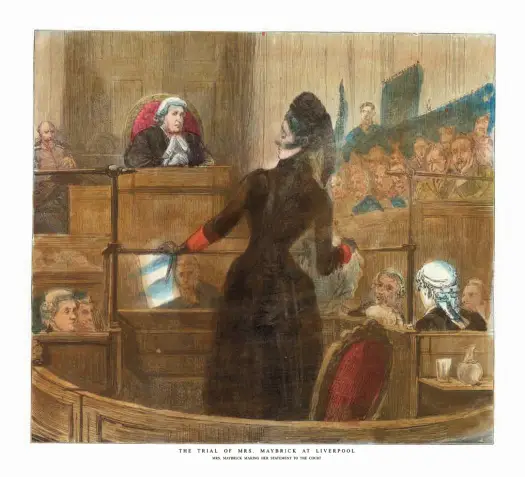
The St. George's Hall Trial and Sir James Fitzjames Stephen
The trial opened in July 1889 at St. George's Hall in Liverpool before Sir James Fitzjames Stephen. Defense barrister Sir Charles Russell dismantled the Crown's forensic certainty, presenting leading pathologists who affirmed that the post-mortem findings were entirely inconsistent with acute arsenic death:
"Did James Maybrick die of arsenic? Did the prisoner administer it with homicidal intent? Renowned toxicologists disagree fundamentally. If this man died of chronic dysentery or self-administered overdoses, convicting this woman would be a catastrophic judicial crime."
However, Judge Fitzjames Stephen, already in the initial throes of progressive cerebral softening and dementia, delivered a fiercely biased summation. Stephen spent two full days excoriating Florence's adultery, instructing the jury that a woman who broke her marital vows was morally capable of murdering her husband.
On July 31, 1889, the jury convicted Florence Maybrick of willful murder, and Stephen sentenced her to hang.
Global Outcry, Commutation, and Final Release
The verdict triggered unprecedented public fury on both sides of the Atlantic. Mass petitions were submitted, and US ambassadors, cabinet members, and first ladies appealed to Queen Victoria.
Conceding that reasonable doubt shrouded the true cause of death, Home Secretary Henry Matthews commuted the death sentence to life imprisonment on August 22, 1889, explicitly noting that "it was not proved beyond doubt that Maybrick's death was caused by administration of poison."
Florence endured fifteen grueling years of hard labor in Woking and Aylesbury convict prisons before receiving parole in January 1904.
Seclusion and Legacy in Connecticut
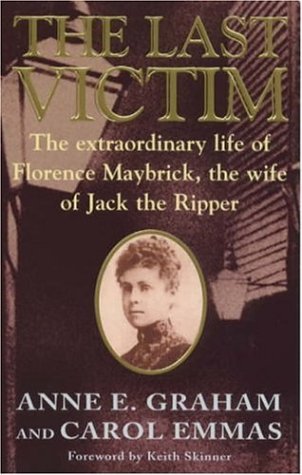
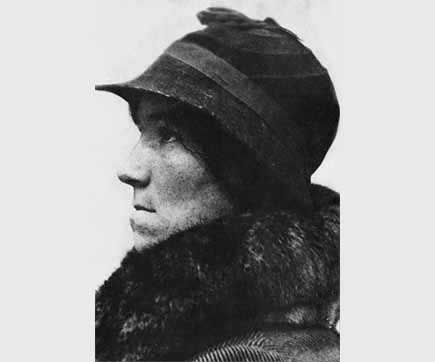
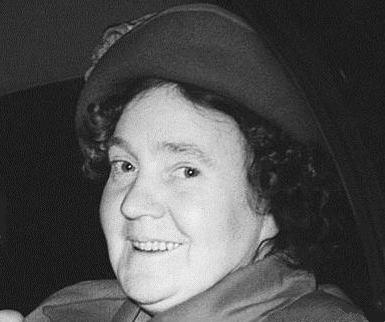
Upon release, Florence returned to the United States, publishing her memoir (My Fifteen Lost Years) and lecturing on penal reform. Disowned by surviving family members and estranged from her children, she assumed her mother's maiden name, Florence Chandler, and moved into a primitive rural cottage in South Kent, Connecticut, living in complete solitude with her rescue cats.
She died on October 23, 1941, at age 79, penniless and forgotten. In modern times, the Maybrick saga experienced renewed forensic fascination with the controversial discovery of the "Jack the Ripper Diary" attributed to James Maybrick, cementing Battlecrease House as one of the most debated criminal mysteries of the Victorian age.