



Forensic & Criminological Matrix
| Parameter | Forensic Detail |
|---|---|
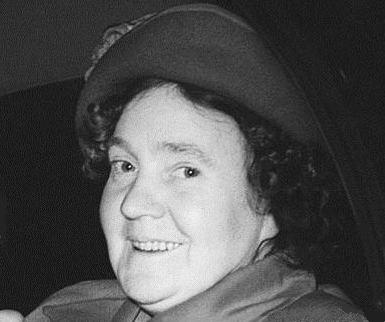
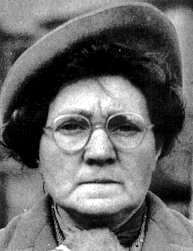
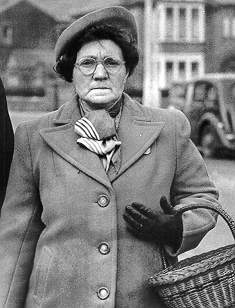
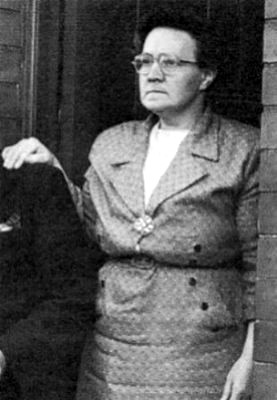
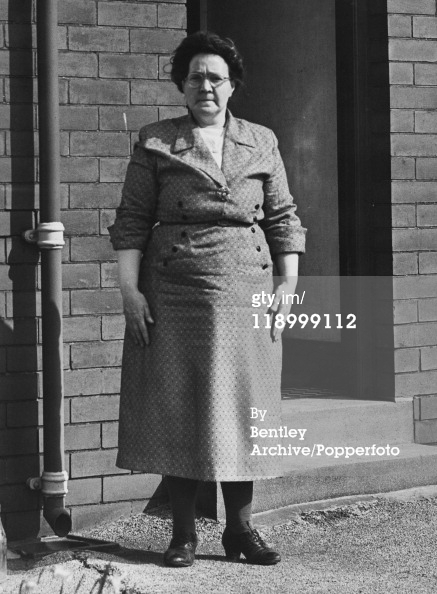
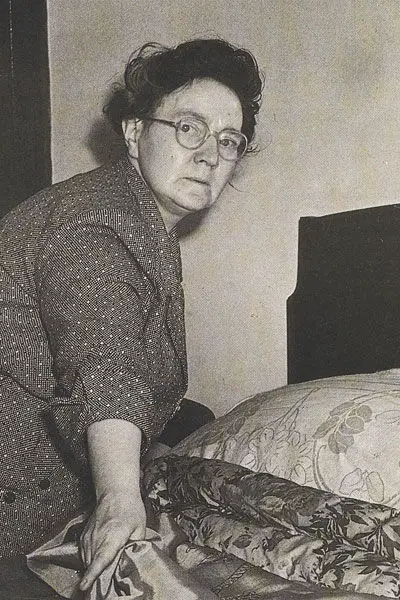
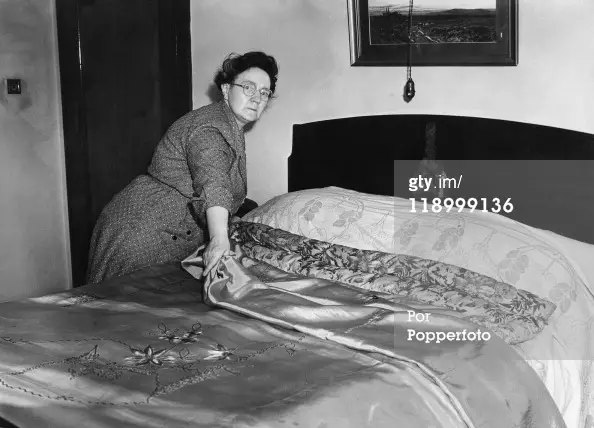
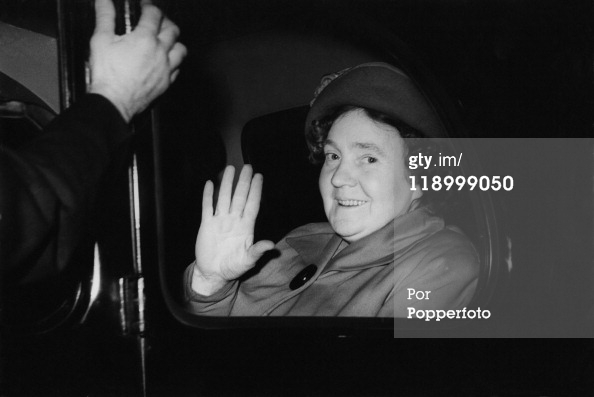
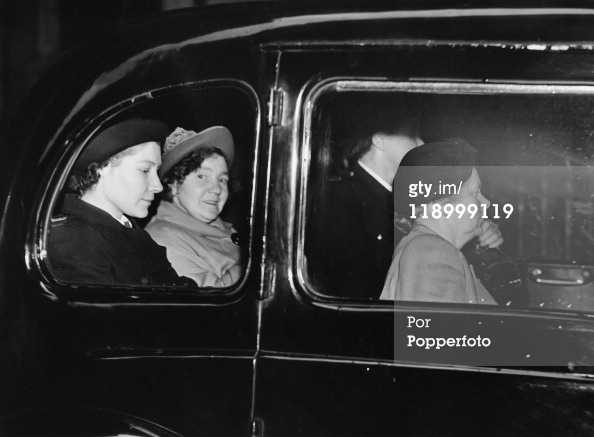
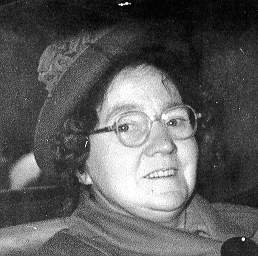
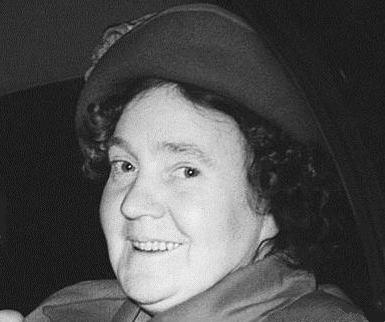
| Full Legal Name | Louisa May Merrifield. |
| Popular Case Title | The Blackpool Poisoner. |
| Criminological Typology | Utilitarian lethal poisoner / Financial inheritance predator / Domestic caregiver homicide. |
| Date of Crime | April 14, 1953. |
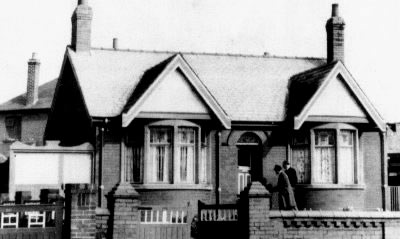
| Crime Scene | Devonshire Road bungalow, Blackpool, Lancashire, United Kingdom. |
| Fatal Victim | Sarah Ann Ricketts (aged 79), wealthy widowed homeowner. |
| Toxic Substance | Elemental yellow phosphorus derived from commercial Rodine rodenticide paste (causing catastrophic hepatic necrosis). |
| Judicial Penalty | Capital execution by hanging. Hanged at Manchester's Strangeways Prison on September 18, 1953, by Albert Pierrepoint (the penultimate woman hanged in the UK, two years prior to Ruth Ellis). |
Background and Domestic Schemes
Louisa May Merrifield was born in Wigan, Lancashire, on December 3, 1906. Endowed with a combative temperament and multiple unstable domestic service posts, she had married multiple times (her second husband passed away under suspicious digestive symptoms shortly after she insured his life). In early 1953, she married 71-year-old Alfred Edward Merrifield.
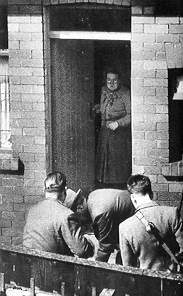
In March 1953, the couple answered an advertisement to serve as live-in housekeepers and caregivers for Sarah Ann Ricketts, an eccentric 79-year-old widow residing in a valuable detached bungalow on Devonshire Road in the coastal resort of Blackpool.
The Altered Will and Public Boasting
Within three weeks of entering the residence, Louisa manipulated the ailing widow into altering her last will and testament, deeding ownership of the £3,000 bungalow to the Merrifields on the understanding they would look after her for the remainder of her days.
No sooner was the will drafted than Louisa engaged in astonishingly reckless public boasting across Blackpool. In grocery stores and local pubs, she declared to casual acquaintances: "I've got to get back to attend to an old lady... she's leaving me her house, and when she's dead, we'll be worth thousands." On an omnibus, she remarked to a passenger that her employer was "on her last legs and won't see the weekend out."
Poisoning by "Rodine" (April 1953)
Days after obtaining a tin of Rodine rodent paste containing lethal yellow phosphorus from a local chemist under the pretext of clearing rats from the garden shed, Louisa mixed the paste into Mrs. Ricketts's sweet jam and brandy.
On April 13, 1953, Mrs. Ricketts suffered violent abdominal convulsions and continuous vomiting. Louisa deliberately withheld emergency medical attention. By the morning of April 14, the elderly woman lay dead in bed. When summoned, the family physician—suspicious of Louisa's earlier statements—refused to certify the death as natural and demanded a Home Office post-mortem.
Forensic Autopsy and Manchester Assizes
Home Office forensic toxicologist Dr. J. B. Firth performed the analysis, discovering severe liver disintegration and identifying lethal concentrations of yellow phosphorus throughout the gastrointestinal tract and hepatic tissue.
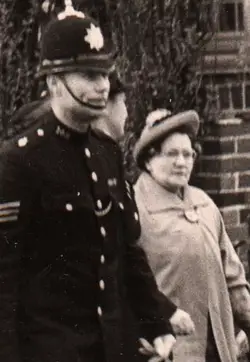
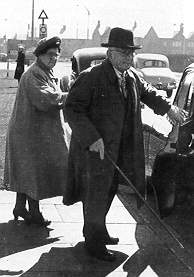
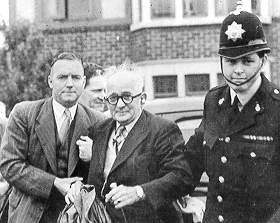
At the July 1953 trial at Manchester Crown Court, the jury was confronted with devastating testimony from witnesses who heard Louisa predict Mrs. Ricketts's demise down to the day. While the jury failed to reach a verdict regarding her husband Alfred (who was subsequently released and later controversially received half the estate's value), Louisa was convicted of capital murder.
Her appeals were dismissed. On September 18, 1953, Louisa Merrifield was hanged at Strangeways Prison in Manchester by Albert Pierrepoint. She became the penultimate woman ever hanged under British jurisdiction.