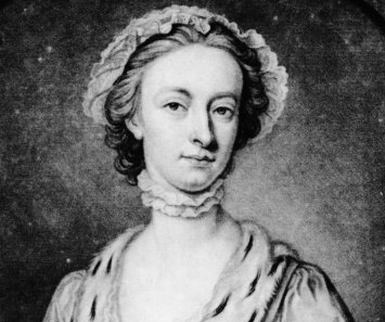




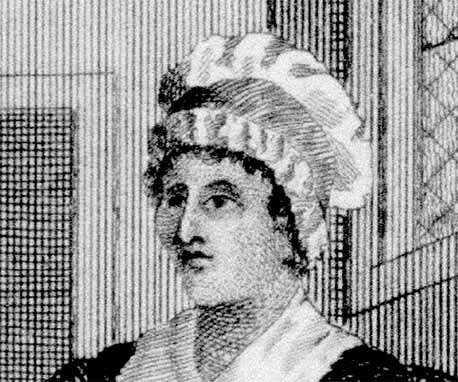
Forensic & Criminological Matrix
| Parameter | Forensic Detail |
|---|---|
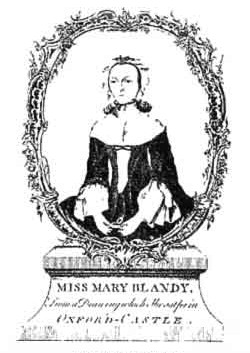
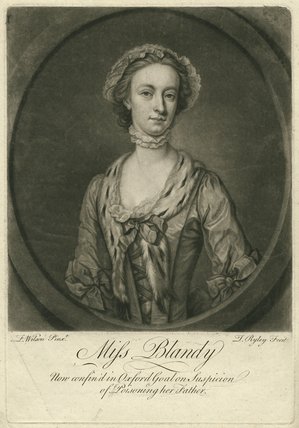
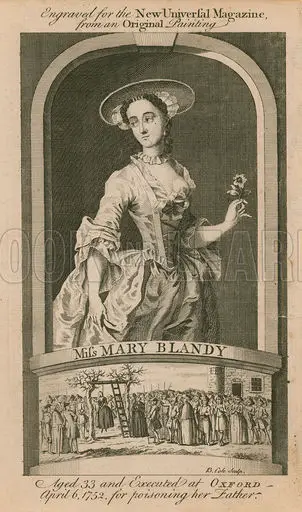
| Full Legal Name | Mary Blandy. |
| Medico-Legal Landmark | One of the earliest 18th-century English criminal trials introducing formal scientific medical-chemical testimony (delivered by Dr. Anthony Addington). |
| Criminological Typology | Induced parricide / Marital manipulation arsenic poisoning. |
| Date of Crime | Summer 1751 (death occurred August 14, 1751). |
| Crime Scene | Henley-on-Thames, Oxfordshire, England, Great Britain. |
| Fatal Victim | Francis Blandy (aged 60), town clerk, attorney, and Mary's father. |
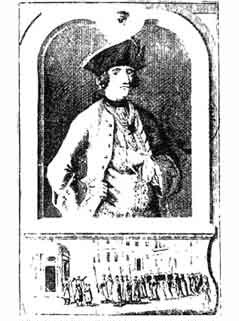
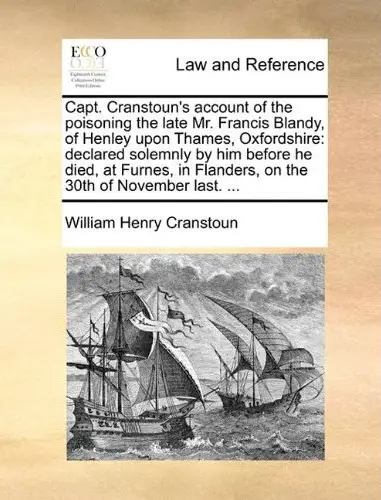
| Mastermind Co-conspirator | Captain William Henry Cranstoun (Scottish officer who fled to France to escape the gallows). |
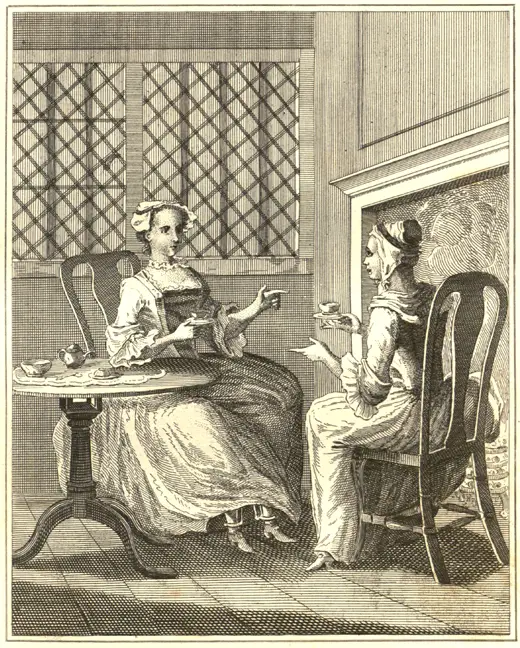
| Lethal Substance | Arsenic trioxide ("love powder"), dissolved into tea and breakfast water gruel. |
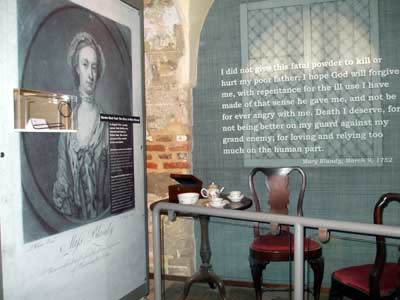
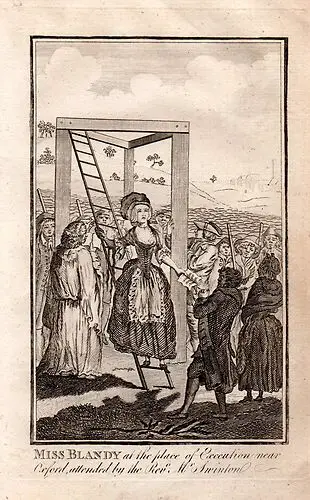
| Judicial Penalty | Death by hanging. Executed at Oxford Castle on April 6, 1752. |
The Town Clerk's Heiress and the Scottish Captain
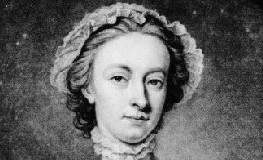
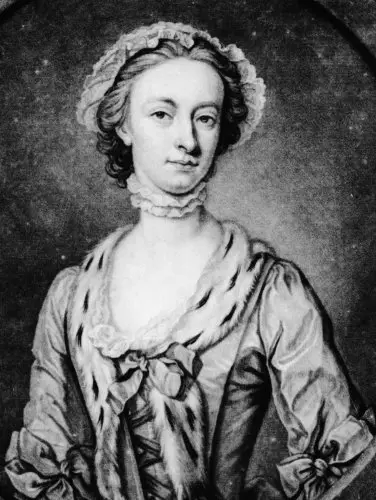
Mary Blandy was born in Henley-on-Thames in 1720 into an affluent and respected home. Her father, Francis Blandy, a prosperous solicitor and civic clerk, circulated rumors that Mary possessed a fortune of £10,000 in marriage dowry to attract noble suitors.
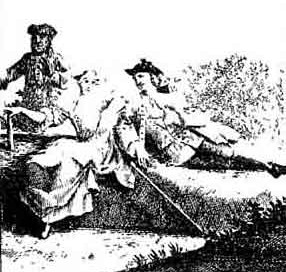
In 1746, she met Captain William Henry Cranstoun, an army officer and son of the Scottish peer Lord Cranstoun. Cranstoun courted Mary persistently. However, Francis Blandy uncovered that Cranstoun had a living legal wife and child in Scotland who had sued him for desertion. Outraged, the father expelled Cranstoun from the estate, forbidding Mary from further communication.
The "Love Powder" Deception and Fatal Agony (1751)
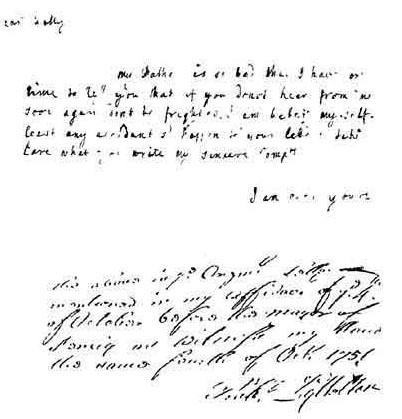
Enthralled by Cranstoun, Mary maintained secret postal correspondence. Cranstoun persuaded her that he had consulted a Scottish seer who had prepared an esoteric "powder of love" guaranteed to melt her father's obstinacy and induce him to consent to their union.
Cranstoun shipped parcels of white arsenic. During the summer of 1751, Mary stirred the white powder into her father's morning gruel and afternoon tea. Francis suffered violent internal agony, intractable vomiting, and mucosal ulcerations.
Alert servant Susan Gunnell noticed white sediment caked on the bottom of the kitchen pans, alerting physician Dr. Anthony Addington. Recognizing the danger, Mary attempted to burn Cranstoun's letters and remaining powder in the hearth, but servants retrieved the packets intact.
On his deathbed, in an agonizing scene, Francis Blandy forgave his daughter, stating: "Poor love-sick girl, thou hast done it... but God forgive thee, as I do." He died on August 14, 1751.
Dr. Addington's Forensic Testimony and the Oxford Trial
Fleeing across Henley bridge to avoid angry townsfolk, Mary was arrested and conveyed to Oxford Castle.
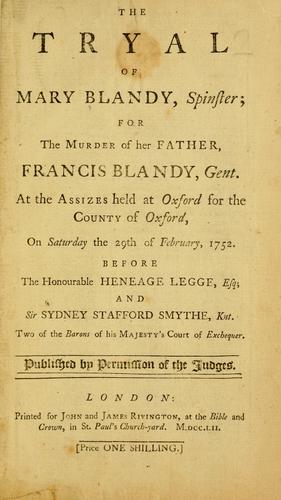
Her March 1752 trial before the Oxford Assizes was an 18th-century sensation. Dr. Anthony Addington (father of future Prime Minister Henry Addington) presented groundbreaking analytical tests: treating the sediment from the gruel and stomach wall with specialized reagents, he demonstrated characteristic garlic odors and precipitation, establishing conclusive proof of elemental arsenic.
Mary wept and maintained that she had been Cranstoun's dupe, honestly believing the substance was a harmless romantic charm. The jury required only five minutes to return a verdict of wilful parricide.
Hanging at Oxford Castle
On April 6, 1752, at age 32, Mary Blandy climbed the gallows ladder at Oxford Castle. Displaying composed decorum, she famously requested: "Gentlemen, do not hang me high for the sake of decency." Her composure elicited broad public sympathy.
Captain Cranstoun escaped across the English Channel, dying in poverty and delirium in Dunkirk later that year. The Blandy case remained a celebrated precedent in British legal history on the limits of intent in domestic poisoning.