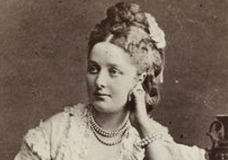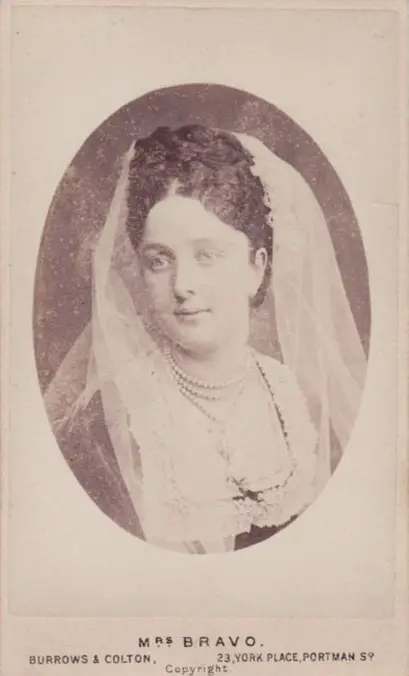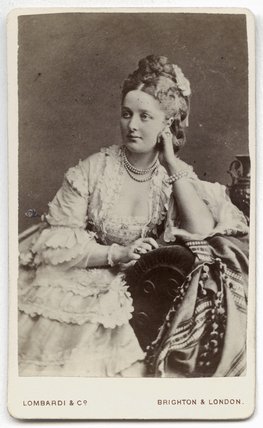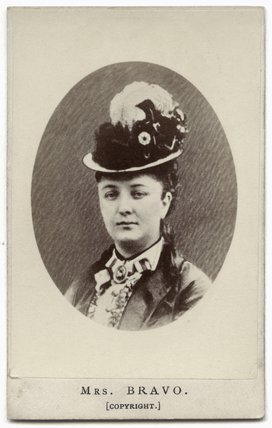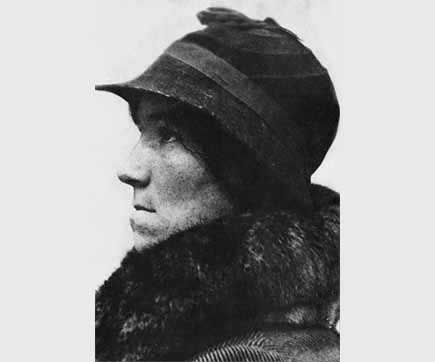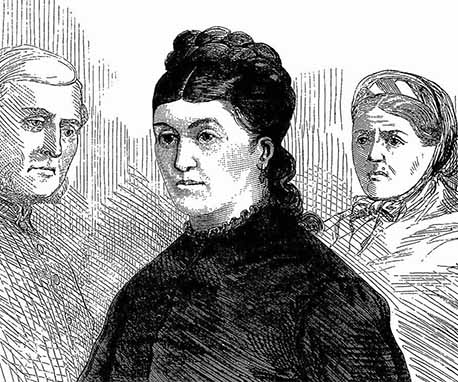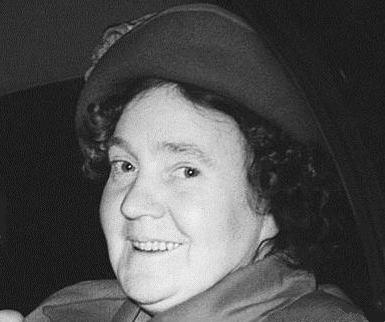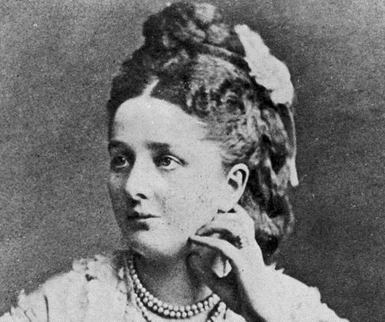




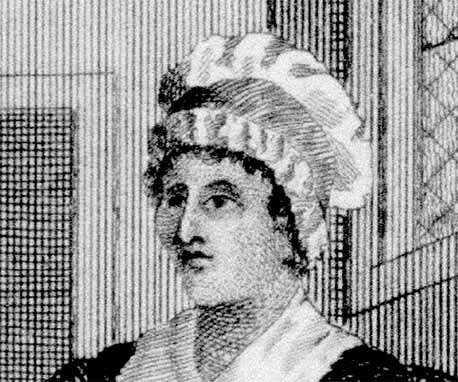
Forensic Profile Datasheet: Florence Bravo ("The Balham Mystery")
| Forensic Parameter | Evaluation Details |
|---|---|
| Full Legal Name | Florence Elizabeth Bravo (née Campbell) |
| Criminological Landmark | The Balham Mystery (Unsolved Victorian Poisoning Case) |
| Date & Place of Birth | September 5, 1845 — Sydney, Australia (raised in wealthy British high society) |
| Date & Place of Death | September 13, 1878 (aged 33) — Southsea, Hampshire, England |
| Manner of Death | Acute alcohol toxicity / suspected suicide following absolute social ostracism |
| Criminological Classification | Victorian domestic poisoning / Inconclusive coronial inquest murder inquiry |
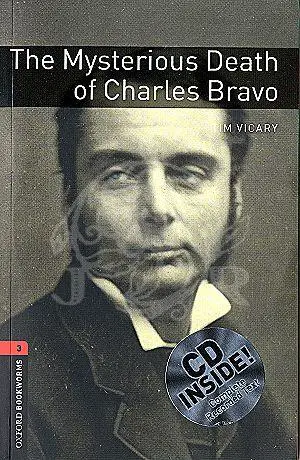
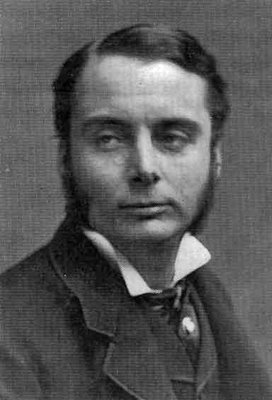
| Fatal Victim | Charles Delaunay Turner Bravo (aged 30; rising barrister and Florence's second husband) |
| Date of Poisoning | Night of April 18, 1876; death ensued April 21, 1876 |
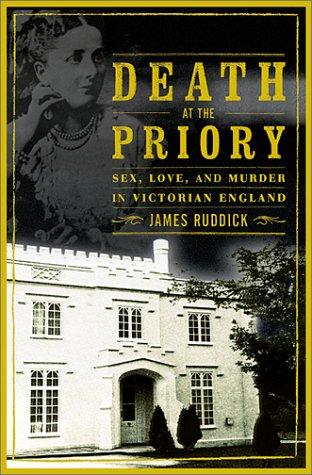
| Scene of the Crime | The Priory country mansion, Bedford Hill, Balham, South London |
| Toxic Agent Identified | Tartar emetic (antimony potassium tartrate), lethal dose estimated between 20 and 30 grains |
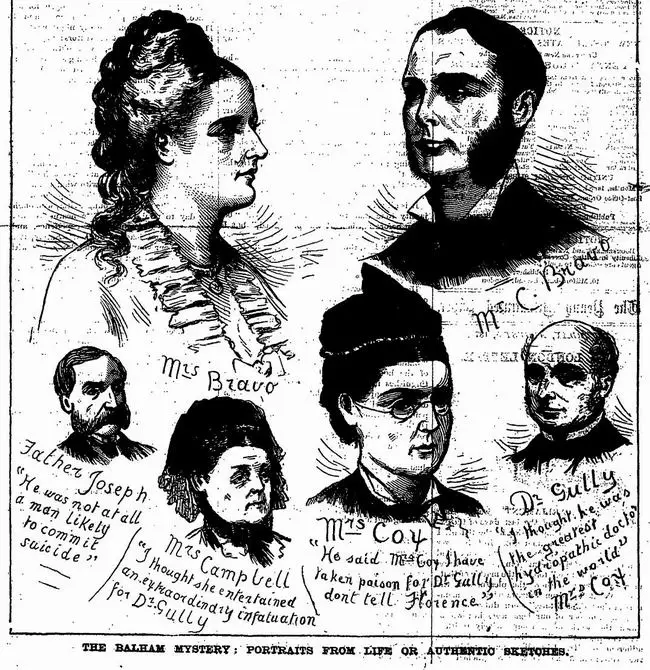
| Prime Persons of Interest | Florence Bravo, companion Jane Cannon Cox, and Dr. James Manby Gully |
| Coroner's Inquest Verdict | Willful murder by person or persons unknown |
Wealth, Scandal, and Victorian Society
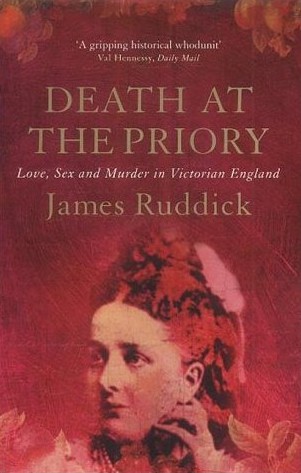
Florence Elizabeth Campbell was born in 1845 into an affluent Scottish merchant family in Sydney, Australia, returning to the United Kingdom during childhood. Renowned for her radiant beauty and aristocratic charm, she married Alexander Ricardo, a wealthy officer in the Grenadier Guards, at age nineteen. The marriage descended into domestic violence fueled by Ricardo's rampant alcoholism, culminating in his death in 1871.
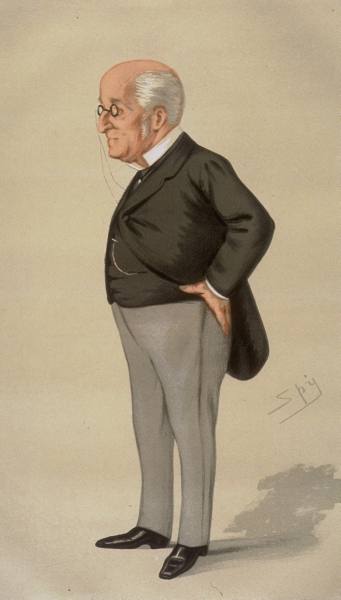
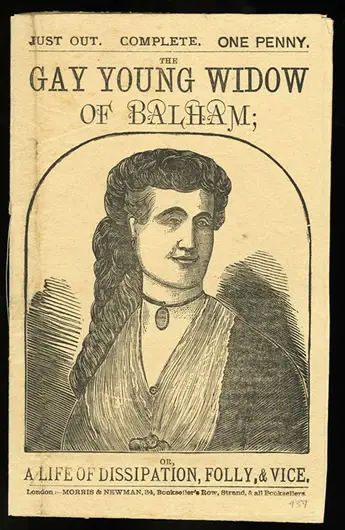
A widow at twenty-six with an independent inheritance of £40,000 and an annual income exceeding £3,000, Florence purchased The Priory, an imposing Gothic mansion in Balham, London. Soon after, she entered into a scandalous romantic liaison with Dr. James Manby Gully, a celebrated 64-year-old hydropathic physician whose aristocratic clientele included Charles Darwin and Lord Tennyson. The revelation of the adulterous affair ruined Gully's professional standing and ostracized Florence from polite London society.
Determined to regain her social standing, Florence terminated her romance with Gully in 1875 and married Charles Delaunay Turner Bravo, an ambitious 30-year-old barrister, in December of that year.
Domestic Tension at The Priory and the Fatal Night (April 18, 1876)
Marital bliss proved fleeting. Charles Bravo, possessing an imperious and financially avaricious nature, was outraged to discover that Florence had legally secured her entire personal estate into an irrevocable prenuptial trust, barring him from accessing her capital. Bravo retaliated with aggressive penny-pinching, firing household servants, demanding that Florence sever all correspondence with past acquaintances, and declaring his intent to discharge Mrs. Jane Cannon Cox, Florence's indispensable companion and confidante.
On Tuesday, April 18, 1876, following an acrimonious dinner at The Priory comprising lamb, fish, toast, and Burgundy wine decanted exclusively for Charles, the household retired.
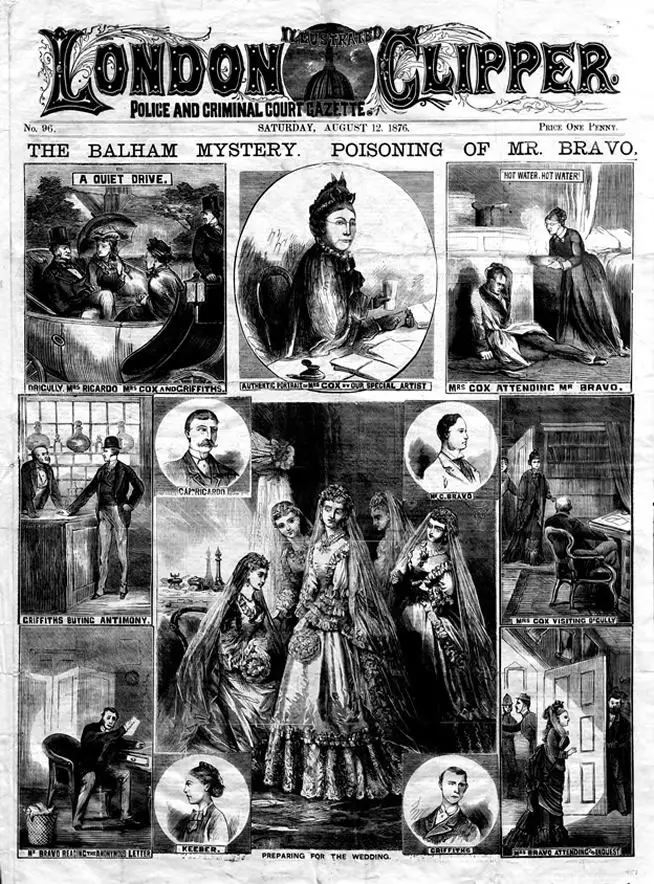
Around 9:30 p.m., Charles went to his private bedroom. Fifteen minutes later, piercing screams echoed down the corridor: Bravo was leaning over his balcony, violently vomiting and screaming frantically for boiling water. Florence and Mrs. Cox rushed to his aid, summoning prominent physicians including Dr. Joseph Moore, Dr. George Johnson, and Queen Victoria's court physician, Sir William Gull.
Forensic Agony and Discovery of Antimony Poisoning
For fifty-six harrowing hours, Charles Bravo endured relentless gastrointestinal hemorrhaging, severe abdominal agony, and heart failure. When repeatedly pressed by attending consultants whether he had ingested poison, Bravo steadfastly maintained: "I only took three drops of laudanum for my jaw pain, and the wine from my decanter."
Charles Bravo succumbed at 5:20 a.m. on Friday, April 21, 1876.
Pathologist Dr. Henry Redwood's post-mortem documented catastrophic ulceration throughout the stomach and intestines. Forensic toxicological assays conducted by Professor Theophilus Redwood and Dr. August Dupré isolated an overwhelming quantity—between 20 and 30 grains—of tartar emetic (antimony potassium tartrate). Antimony was a tasteless, water-soluble poison commonly kept in equine stables for conditioning horses and occasionally utilized in minute doses as a sobering emetic.
The Sensational Second Inquest and Public Trial
An initial inquest delivered an open verdict of accidental poisoning. However, suspicious family members retained private investigators and petitioned the Queen's Bench, securing an unprecedented second extraordinary inquest before Coroner William Carter in July 1876.
The inquiry, convened at the Bedford Hotel in Balham, became the sensation of Victorian Britain. Over twenty-three courtroom days, the nation's foremost barristers, including Sir Henry James and Sir George Lewis, subjected Florence Bravo and Mrs. Cox to grueling cross-examinations. Every salacious detail of life at The Priory was splashed across newspapers: Florence's past abortions, her hidden drinking, her intimacy with Dr. Gully, and Mrs. Cox's purchase of antimony.
Three primary forensic hypotheses divided public opinion:
- Florence Bravo: Seeking liberation from an overbearing and financially intrusive husband, Florence slipped antimony into his bedside water or wine decanter.
- Jane Cannon Cox: Confronting immediate dismissal, the companion allegedly poisoned Bravo to preserve her employment and influence over Florence's wealth.
- Dr. James Gully: Motivated by lingering jealousy and wounded pride, Gully may have facilitated the acquisition of the poison via Mrs. Cox.
On August 11, 1876, the jury returned its historic verdict:
"We find that the death of Charles Delaunay Turner Bravo was caused by tartar emetic, and that the said poison was willfully administered by person or persons unknown; but there is not sufficient evidence to show by whom it was so administered."
Social Ruin and the Death of Florence
Though no criminal indictment followed, the social verdict of Victorian Britain was devastating. Denounced as an immoral adulteress, Florence was completely shunned by high society. Servants abandoned her household, friends severed ties, and her reputation was permanently destroyed.
Overcome by depression, paranoia, and the trauma of relentless public cross-examination, Florence sold The Priory and moved to Southsea, Hampshire. Living as a recluse and consuming catastrophic quantities of alcohol, she was found dead on September 13, 1878, at the age of 33, from acute alcohol poisoning. The Balham Mystery remains one of the most thoroughly analyzed and enduring unsolved forensic riddles of the Victorian era.