





Enriqueta Martí ("The Vampire of Raval"): Child Abduction, the Human Fat Moral Panic, and the Forensic Demystification of Barcelona's Urban Monster (1912–1913)
Executive Summary
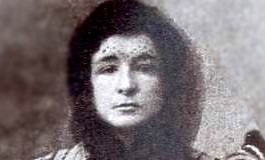
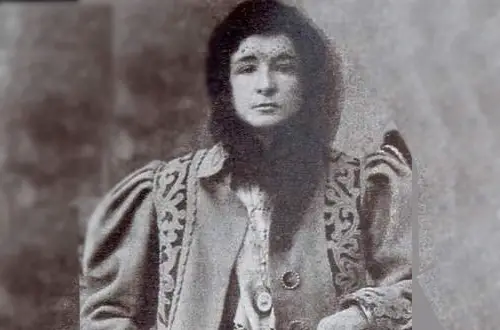
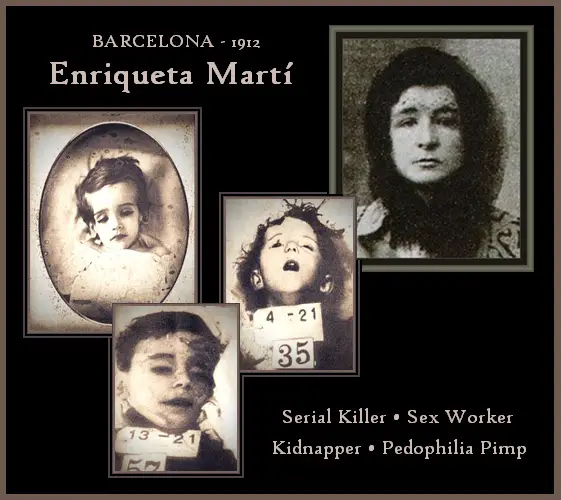
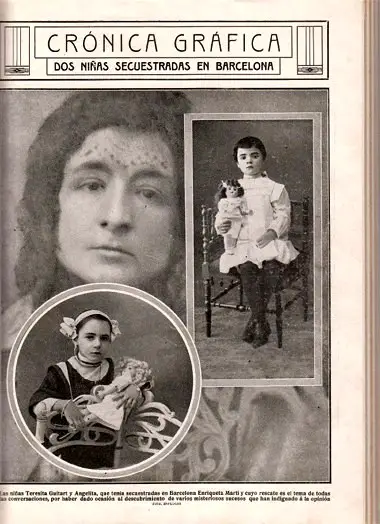
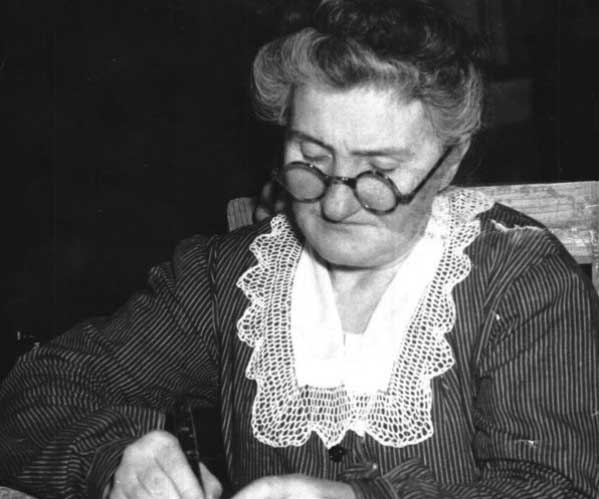
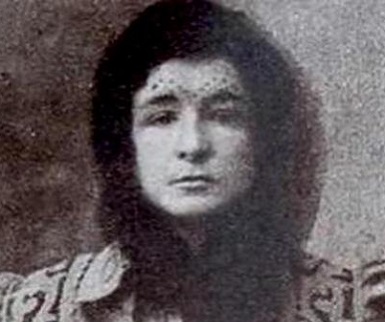
Enriqueta Martí i Ripollés (Sant Feliu de Llobregat, February 1868 – Barcelona, May 12, 1913), immortalized in international criminological lore as "The Vampire of Raval" (La Vampira del Raval) and "The Vampire of Barcelona", is one of the most sensationalized and distorted figures in European criminal history. Arrested on February 27, 1912, at her apartment on Calle Poniente No. 29 (now Calle Joaquín Costa) following the abduction of five-year-old Teresita Guitart Congost, Martí was transformed overnight by sensationalist periodicals (La Vanguardia, El Diluvio) into a serial child murderer and cannibal witch who allegedly butchered infants to harvest blood, bone marrow, and adipose fat to concoct tuberculosis treatments for wealthy patrons.
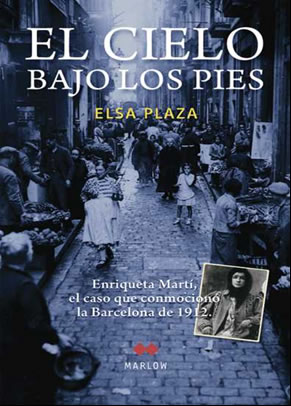
However, modern historical and forensic re-investigations—spearheaded by researchers Elsa Plaza (Desmontando el caso de la Vampira del Raval) and Jordi Corominas (Barcelona 1912) through exhaustive analysis of the primary judicial dossiers held in the Archives of the High Court of Barcelona—conclusively demolished the myth of human sacrifices and mass killings. Enriqueta Martí was in reality a professional mendicant, procuress, and child kidnapper who exploited abducted children to elicit public sympathy while begging in affluent districts. Forensic autopsy reports confirmed that the bone fragments discovered in her residence were old skeletal specimens and animal remains bearing zero signs of recent violence, with not a single infant corpse ever recovered. Martí died of terminal uterine cancer at Reina Amàlia Prison in May 1913 prior to standing trial, establishing the case as a textbook study in class-driven moral panic and yellow journalism manufacturing a monster out of urban destitution.
Forensic Technical Matrix
| Parameter | Criminological & Forensic Detail |
|---|---|
| Legal Identity | Enriqueta Martí i Ripollés |
| Public Notoriety Name | Enriqueta Martí |
| Criminological Aliases | "The Vampire of Raval", "The Vampire of Barcelona", "The Calle Poniente Witch" |
| Date of Birth | February 1868 (Sant Feliu de Llobregat, Barcelona, Spain) |
| Date of Death | May 12, 1913 (Reina Amàlia Women’s Prison, Barcelona; aged 45) |
| Cause of Death | Advanced cervical cancer and peritonitis (disproving rumors of prison lynching) |
| Vital & Legal Status | Deceased in pre-trial judicial custody (Deceased in custody) |
| Criminological Classification | Child kidnapper, professional mendicant, and procuress / Mythologized serial killer |
| Confirmed Court Victims | 1 abducted child rescued alive (Teresita Guitart Congost) and 1 minor held unlawfully (Angelita) |
| Confirmed Fatal Victims | 0 homicides forensically or legally established in the official court record |
| Primary Motive | Economic gain via professional simulated child begging, informal prostitution, and subsistence |
| Geographic Scene | Calle de Ponent No. 29 (now Joaquín Costa), El Raval district, Barcelona (Spain) |
| Investigative Authorities | Municipal Police of Barcelona (Police Chief Mayor Eusebio Valcárcel) & Investigating Magistracy |
| Examining Magistrate | Judge Ramón Sánchez Hermoso (Investigating Court No. 7, Barcelona) |
| Forensic Pathologists | Dr. Víctor Vivó and Dr. Alfonso Bofill (Institute of Forensic Medicine of Barcelona) |
Social Marginality and Barcelona’s Underworld
Enriqueta Martí was born to rural farm laborers in Sant Feliu de Llobregat before migrating to industrializing Barcelona in the 1880s. Working as a domestic servant and wet nurse, she drifted into prostitution across the taverns and brothels of El Raval.
In 1895, she married Joan Pujaló, a house painter; the union rapidly disintegrated amid destitution and domestic friction. In 1909, Martí was arrested for running an unlicensed brothel on Calle de la Cera that employed underage girls, though she avoided severe penal sanctions.
To survive in the margin of the industrial metropolis, Martí cultivated a calculated double identity:
- The Double Life: By day, she donned ragged clothes and a black shawl, stationing herself outside prominent Catholic churches (such as the Basilica de la Mercè) begging with young children to extract alms from wealthy parishioners. By night, she wore fine dresses, attended opera performances at the Gran Teatre del Liceu, and peddled traditional folk elixirs and clandestine matchmaking services.
The Kidnapping of Teresita Guitart (February 1912)
On February 10, 1912, five-year-old Teresita Guitart Congost vanished on Calle San Antonio Abad while her mother was shopping in a coal dispensary. The child’s sudden disappearance ignited widespread alarm and neighborhood search efforts across Barcelona.
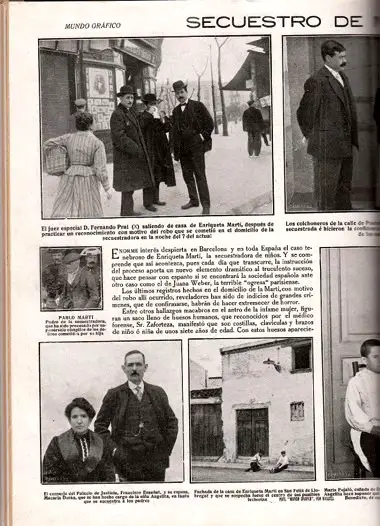
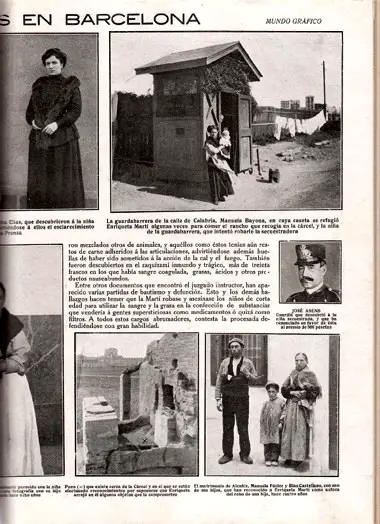
Seventeen days later, on February 27, 1912, a neighbor on Calle Poniente named Claudina Elías spotted a young girl with closely shorn hair staring from the window of apartment No. 29. Recognizing the child from police circulars, the neighbor alerted municipal police officers.
Police raided the apartment:
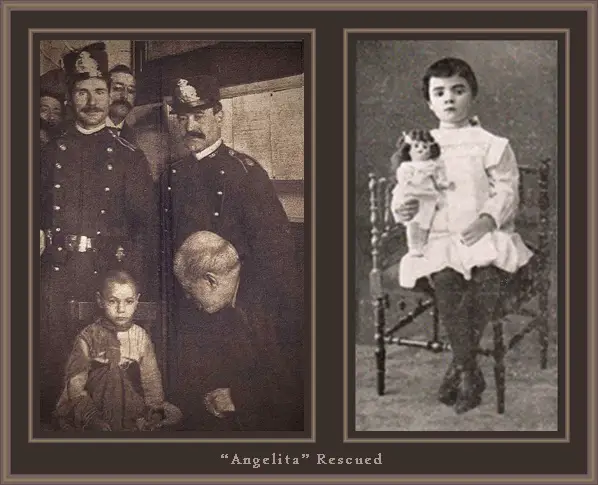
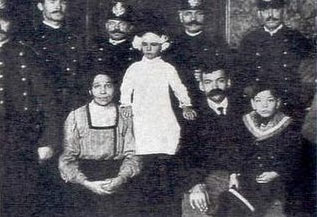
- Recovery of the Children: Officers found Teresita Guitart unharmed, her hair cropped short and wearing crude clothing. Alongside her was a three-year-old girl named Angelita, whom Martí claimed was her legitimate daughter or orphaned niece.
- Victim's Testimony: Teresita testified that a woman in a black shawl had offered her sweets on the street, escorted her to the apartment, renamed her "Soledad", and fed her bread soaked in milk, confirming she had suffered no physical or sexual violence.
The Fabrication of the "Vampire" Myth
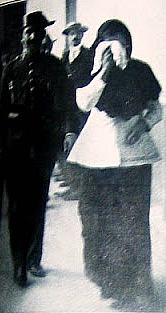
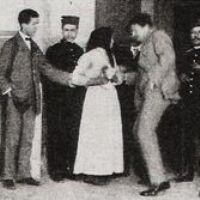
Upon Martí’s transfer to police headquarters, a crowd attempted to lynch her. In a social climate unsettled by the 1909 Tragic Week riots, catastrophic tuberculosis mortality rates, and systemic infant mortality, the sensationalist press unleashed an unconstrained moral panic.
Newspapers fabricated sensational narratives:
- Journalists claimed police had uncovered jars of infant blood, human lard extracted from murdered children, and elixirs sold to wealthy aristocrats suffering from consumption.
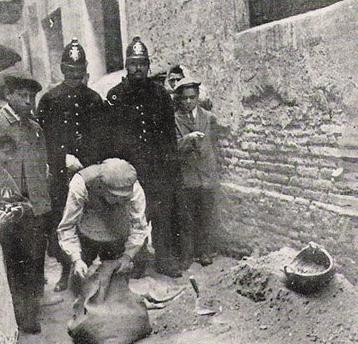
- Rumors circulated that bone fragments found in a sack represented dozens of sacrificed children and that a client list of high-society pedophiles was being covered up by the judiciary.
- The moniker "The Vampire of Raval" spread globally, prompting widespread hysteria across Catalonia, where innocent itinerant beggars were assaulted by paranoid mobs.
Forensic Deconstruction of the Case Record
The official judicial investigation led by Judge Ramón Sánchez Hermoso and forensic examinations performed by Dr. Víctor Vivó and Dr. Alfonso Bofill disproved the media frenzy:
- Forensic Examination of Bone Fragments: Expert anatomical analysis established that the bones in the apartment consisted of domestic animal remains and ancient, desiccated human bones exceeding fifteen years of decomposition, likely procured from a disused cemetery for folk medicinal rituals. No remains of recently deceased infants existed.
- Absence of Murder Charges: The judicial indictment (sumario) formally charged Enriqueta Martí exclusively with child abduction and unlawful detention of Teresita Guitart and civil identity fraud regarding Angelita. She was never indicted for murder because no corpses were found.
- Chemical Analysis of Elixirs: Laboratory tests on the seized ointments revealed common pig lard, paraffin, plant oils, and traditional herbs standard in contemporary folk healing, completely lacking human biological material.
Prison Death and Historical Significance
Awaiting trial in preventive detention at Reina Amàlia Women’s Prison, Enriqueta Martí's health deteriorated rapidly. Admitted to the prison infirmary, she died on May 12, 1913, at age 45.
Persistent urban myth maintained that she had been lynched by fellow inmates in the prison yard. However, the official post-mortem signed by the prison physician recorded the definitive cause of death as advanced terminal uterine carcinoma and secondary peritonitis, free from traumatic contusions or physical violence.
Contemporary criminologists and historians view the Enriqueta Martí saga as a classic sociological manifestation of scapegoating and media distortion: an impoverished, predatory child kidnapper transformed into a mythic blood-drinking ghoul by a society unwilling to confront the bleak realities of industrial child labor, rampant infant mortality, and urban destitution.